Skip the research trap. Get your cycling shoes in 60 seconds.
We scored 350+ cycling shoes across 5 dimensions — answer 5 quick questions and we'll match you to YOUR best pick.
Powered by DecisionScore™
Each product is evaluated across 18 weighted criteria — covering performance, value, build quality, and real-world usability. Your quiz answers re-weight the criteria to match what matters most to you, so two people can get different #1 picks from the same data.
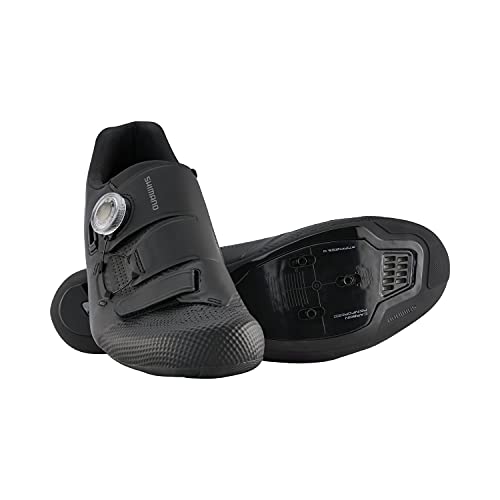
See the DecisionScore methodology →- Wide-fit version of the popular RC502 for broader feet
- Dual BOA dials for micro-adjustable wide-foot fit
- Carbon-reinforced composite midsole for stiff power transfer
Find your perfect cycling shoes
5 quick questions. No quiz-takes-10-minutes trap. A personalized match from 31 scored picks — with clear reasoning for every recommendation.
What type of cycling are you primarily interested in?
Cycling shoes are designed specifically for different types of cycling, such as road, mountain, or indoor cycling. The type of cycling you engage in will determine the shoe's compatibility with pedals, its durability, and its comfort level.
- Road cycling shoes maximize power transfer but are tough to walk in.
- Mountain bike shoes offer grip and walkability for trails and technical terrain.
- Indoor cycling shoes prioritize comfort and ventilation for sweaty studio sessions.
As an Amazon Associate and affiliate partner we earn from qualifying purchases. Links on this page may earn us a commission at no extra cost to you. Full disclosure
Not ready for the quiz? Here are our overall top picks
These are our top-rated picks overall. For a recommendation matched to YOUR specific needs,
SHIMANO SH-RC502 Lightweight Men's Road Cycling Shoe Packed with Pro Features,
Wide-fit version of the popular RC502 for broader feet
View Today's Price
Giro Stylus Men's Road Cycling Shoe, Black, US 10.5 / EU 44
High-volume last for wide and extra-wide feet
View Today's Price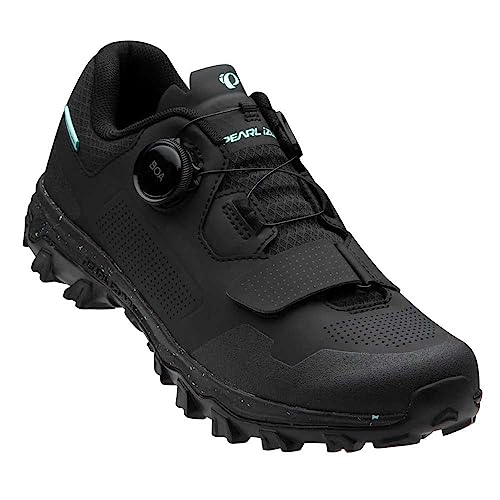
PEARL IZUMI X-Alp Summit Shoe - Women's Phantom/Serene Green, 41.0
Women's-specific fit with Vibram ECOSTEP rubber outsole
View Today's PriceHow to Choose the Right Cycling Shoes
Choosing the right cycling shoes depends on riding style, cleat compatibility, fit, closure system, and budget—factors that all interact based on your unique needs. A feature that’s perfect for road racing might be completely wrong for indoor spin or mountain biking. Our recommendation engine analyzes your preferences across five dimensions and matches you to the ideal cycling shoe in under 60 seconds.
About this guide
Cycling Shoes
Why Cycling Shoe Selection Is Trickier Than It Looks
Choosing the right cycling shoes in 2026 isn’t just about picking a style you like—every detail impacts your ride. The main trade-off with cycling shoes is between sole stiffness and walkability: road cycling shoes with carbon or reinforced nylon soles maximize power transfer but are nearly impossible to walk in, while mountain bike cycling shoes sacrifice a touch of efficiency for recessed cleats and grippy tread. Most buyers underestimate how much cleat compatibility matters—SPD-SL (3-bolt) is standard for road cycling shoes, SPD (2-bolt) for mountain and many indoor bikes, and Look Delta is a must for Peloton cycling shoes. Price tiers are real: $50–$75 gets you basic nylon sole cycling shoes with Velcro, $75–$110 unlocks stiffer soles and better ventilation in your cycling shoes, and $110–$150 brings Boa dials and near-premium fit to your cycling shoes. Many first-timers buy cycling shoes too small, chasing a “snug” fit, or pick cycling shoes incompatible with their pedals. Fit varies wildly by brand, and wide-footed riders especially need to check for dedicated wide sizing in cycling shoes. Every spec—sole material, closure, cleat system—affects comfort and performance, so a misstep with cycling shoes can turn every ride into a chore.
What Actually Sets Cycling Shoes Apart
The biggest differentiators in 2026 cycling shoes are sole stiffness, cleat compatibility, closure system, and fit options. Skip full carbon sole cycling shoes unless you’re racing—stiff nylon or composite cycling shoes are more forgiving and still efficient for most riders. For road cycling, a 3-bolt SPD-SL or Look Delta interface is non-negotiable in cycling shoes, but don’t buy a 3-bolt cycling shoe if you ever plan to walk more than 20 feet. Mountain bikers should prioritize 2-bolt SPD compatibility and a treaded outsole in their cycling shoes for hike-a-bike sections. Boa dials are worth the premium for micro-adjustment and on-the-fly tweaks in cycling shoes, but Velcro and ratchet straps are lighter and easier to replace on cycling shoes. Brands like Shimano and Tommaso offer wide sizing in their cycling shoes, which is a significant upgrade if you’ve ever suffered numb toes. Don’t get distracted by flashy graphics or “pro” endorsements—ventilation, heel hold, and the right cleat interface in cycling shoes matter far more. If you ride indoors, prioritize breathability and odor control (like FUZE treatment) in your cycling shoes over maximum stiffness. In short: buy cycling shoes for your riding style and fit, not just the stiffest sole or most expensive closure.
How to Balance Decision Factors for the Perfect Fit
Shoe type, cleat system, budget, closure, and foot width all interact—get one wrong and you’ll regret it every ride. Roomy cycling shoes are essential for wide feet, but too much space in cycling shoes means heel slip and lost power. If you’re on a $50–$75 budget, expect basic nylon sole cycling shoes with Velcro, but don’t expect top-tier ventilation or Boa dials in these cycling shoes. Spending $110–$150 unlocks features like micro-adjustable closures and stiffer soles in cycling shoes, but only if you actually need them for your riding intensity. Road riders need maximum power transfer from their cycling shoes, while mountain and indoor cyclists need walkability and comfort in their cycling shoes. Our quiz evaluates your riding style, cleat compatibility, budget, closure preference, and foot width in one go to help you find the best cycling shoes. The real trick is to match your primary use case with the right cleat system and closure in cycling shoes—don’t pay for a Boa dial if you never adjust on the fly, and don’t buy a 3-bolt cycling shoe if your pedals are SPD. Always double-check sizing charts, as cycling shoes fit differently than street shoes, and some cycling shoe brands run notoriously narrow.
Buyer's guide
How to choose
1Core Performance Criteria
- Sole stiffness directly affects power transfer; look for reinforced nylon or carbon composite soles, especially above the $75 price point.
- Cleat compatibility is non-negotiable—choose SPD-SL for road, SPD for mountain/indoor, and Look Delta for Peloton or studio bikes.
- Heel retention and upper support prevent foot lift and wasted energy, especially during sprints or climbs.
- Ventilation is crucial for hot rides or indoor classes; shoes with mesh panels or perforated uppers keep feet cooler and drier.
- Closure systems impact both fit and performance—Boa dials offer micro-adjustment, while Velcro and ratchet combos are lighter but less precise.
- Fit trumps all: a shoe that’s too narrow or wide will cause numbness, hot spots, or blisters, ruining long rides.
2Build Quality and Durability
- Look for double-stitched uppers and reinforced toe boxes, especially if you ride off-road or walk frequently in your shoes.
- Full carbon soles are stiffer but can crack if abused; nylon composites are more forgiving for everyday use and beginners.
- Rubberized treads on mountain bike shoes improve durability and grip for hike-a-bike sections or slippery studio floors.
- High-quality closure systems like Boa dials last longer than cheap Velcro, which can lose grip after a season of sweaty rides.
- Brands like Shimano and Tommaso are known for robust construction and consistent quality control in the $75–$150 range.
- Check for replaceable parts—cleat bolts, insoles, and even some dials—so you can extend the life of your shoes without a full replacement.
3Value and Price Analysis
- Budget shoes under $75 offer basic performance but often skimp on ventilation, sole stiffness, and long-term durability.
- The $75–$110 range is the sweet spot, delivering stiffer soles, better fit options, and closure upgrades like ratchet straps or basic Boa dials.
- Spending $110–$150 unlocks premium features—full Boa systems, advanced ventilation, and near-pro-level fit—without the $200+ price tag.
- Don’t overpay for carbon soles unless you’re racing or riding at high intensity; reinforced nylon is more than enough for most.
- Consider the total cost: cleats are often sold separately, and some brands bundle them only at higher price points.
- Amazon-available models like the Shimano IC501 or Tommaso Strada offer excellent value, with verified buyer satisfaction and easy returns.
4Use-Case Fit and Compatibility
- Road cyclists should prioritize 3-bolt SPD-SL or Look Delta shoes for maximum efficiency, but expect minimal walkability off the bike.
- Mountain bikers and commuters need 2-bolt SPD shoes with treaded soles for traction and easier walking on mixed terrain.
- Indoor riders benefit from breathable uppers, odor-resistant treatments like FUZE, and compatibility with both SPD and Look Delta cleats.
- If you split time between road and indoor, look for dual-cleat compatibility or universal models like the Tommaso Strada.
- Wide feet require brands with dedicated wide sizing—Shimano and Tommaso both offer these options, unlike many boutique brands.
- Always check pedal compatibility before buying; mismatched shoes and pedals are a common, frustrating mistake for new riders.
5Common Mistakes and Pitfalls
- Buying shoes that are too small is the number one cause of numbness and discomfort—always check brand-specific sizing charts.
- Choosing the wrong cleat system for your pedals can make new shoes unusable; verify whether you need SPD, SPD-SL, or Look Delta.
- Ignoring width options leads to hot spots or blisters, especially on longer rides or for riders with wider feet.
- Overpaying for carbon soles or pro-level features is unnecessary unless you race or demand maximum stiffness for every watt.
- Neglecting ventilation results in sweaty, uncomfortable feet, especially during indoor classes or summer rides.
- Assuming all cycling shoes fit like street shoes is a costly error—cycling-specific fit is often narrower and more precise.
6Maintenance and Longevity
- Clean uppers regularly with a damp cloth to prevent sweat and grime buildup, which can degrade materials and cause odors.
- Replace cleats every 6–12 months, depending on use, to maintain safe and reliable pedal engagement.
- Velcro straps lose grip over time—rotate them or replace as needed to avoid sudden failures mid-ride.
- Store shoes in a dry, ventilated area to prevent mildew and extend the life of both uppers and insoles.
- Inspect soles for cracks or excessive wear, especially if you walk frequently in your cycling shoes.
- High-quality shoes from brands like Shimano or Tommaso often outlast budget competitors, making them a smarter long-term investment.
FAQ
Frequently asked questions
Is it worth paying extra for a Boa dial closure on cycling shoes?
If you value on-the-fly micro-adjustment and a glove-like fit, Boa dials are absolutely worth the premium, especially in the $110–$150 range. They allow you to fine-tune tightness mid-ride, which is a significant upgrade for long or variable-intensity sessions. However, if you rarely adjust your shoes once riding, Velcro or ratchet closures provide solid performance at a lower cost. For most riders, Boa is a luxury rather than a necessity, but it can make a real difference in comfort and fit over longer rides.
How does Shimano compare to Tommaso for cycling shoes?
Shimano and Tommaso both offer excellent value in the $75–$150 price range, but they have different strengths. Shimano is renowned for consistent sizing, wide-fit options, and robust build quality—especially in models like the IC501. Tommaso excels at universal cleat compatibility and often bundles cleats with their shoes, which is rare at this price. If you have wide feet or want proven durability, Shimano is a safe bet. If you need versatility for both road and indoor, Tommaso’s Strada line is hard to beat.
What cleat system do I need for Peloton or studio cycling?
Most Peloton bikes and many studio cycling setups use the Look Delta cleat system, which is a 3-bolt interface. However, some studios and home bikes use SPD (2-bolt) pedals. Always check your bike or ask your studio before buying. Shoes like the Tommaso Pista 100 offer dual compatibility, making them ideal if you ride in multiple environments. Using the wrong cleat system means your shoes simply won’t clip in, so this is one spec you can’t afford to get wrong.
Are carbon soles necessary for beginners or casual riders?
Carbon soles provide maximum stiffness and power transfer, but they’re overkill for most beginners or casual cyclists. Reinforced nylon or composite soles—found in the $75–$110 range—are more comfortable, forgiving, and still efficient for everyday use. Carbon is best reserved for racers or those who demand every watt of efficiency. For most riders, spending extra on carbon won’t translate into noticeable performance gains, but it will make walking more awkward and the shoes less durable if abused.
How do I know if I need wide cycling shoes?
If you regularly experience numbness, hot spots, or pinching across the ball of your foot—even after adjusting strap tension—you likely need wide cycling shoes. Brands like Shimano and Tommaso offer dedicated wide models, which provide extra room without sacrificing heel hold. Always consult brand-specific sizing charts, as cycling shoes run narrower than street shoes. If you have a history of foot discomfort in regular shoes, opt for wide sizing from the start to avoid painful trial and error.
Can I use road cycling shoes for indoor spin classes?
You can use road cycling shoes with 3-bolt SPD-SL or Look Delta cleats for indoor classes if your studio bike supports them. However, many indoor bikes use SPD (2-bolt) pedals, which require a different shoe. Road shoes offer great power transfer but are less walkable and can be slippery on studio floors. For most indoor riders, a shoe with dual compatibility or a dedicated indoor model (like Shimano’s IC501) offers better comfort, ventilation, and safety when walking around the studio.
What features matter most for mountain bike cycling shoes?
For mountain biking, prioritize a recessed 2-bolt SPD cleat system, aggressive tread for traction, and a durable upper that resists abrasion. Stiffness is important, but not at the expense of walkability—nylon composite soles strike the right balance. Closure systems should keep your foot secure over rough terrain; Boa dials or ratchet straps are ideal. Brands like Shimano and Tommaso offer robust MTB options with reinforced toe boxes and replaceable parts, making them a smart choice for trail and off-road use.
Related reading
Best Cycling Shoes By Category
Related Guides
Adjustable Dumbbells
Weight range, adjustment speed, handle style, and space—get matched to adjustable dumbbells that fit your real training needs.
Bike Mats
Matched to your bike type, floor surface, noise needs, material preference, and budget for the perfect indoor cycling mat.
Bike Trainers
Matched to your riding style, noise tolerance, tech needs, and space—get a bike trainer that fits your real routine.
Cold Plunge Tubs
Insulation, chilling method, space, and budget—get matched to the cold plunge tub that fits your recovery style and setup.
Compact Home Gyms
Matched to your space, resistance needs, tech comfort, and how you actually want to train—no more guessing or wasted space.