Skip the research trap. Get your cycling gloves in 60 seconds.
We scored 400+ cycling gloves across 5 dimensions — answer 5 quick questions and we'll match you to YOUR best pick.

Powered by DecisionScore™
Each product is evaluated across 18 weighted criteria — covering performance, value, build quality, and real-world usability. Your quiz answers re-weight the criteria to match what matters most to you, so two people can get different #1 picks from the same data.
See the DecisionScore methodology →- Touchscreen-compatible full-finger design
- 5mm shock-absorbing gel pads in palms
- 4-way stretch moisture-wicking mesh back
Find your perfect cycling gloves
5 quick questions. No quiz-takes-10-minutes trap. A personalized match from 36 scored picks — with clear reasoning for every recommendation.
What type of glove coverage do you prefer?
The type of glove coverage affects dexterity, protection, and warmth. Half finger gloves offer more breathability and dexterity, while full finger gloves provide better protection and warmth, especially in cooler conditions.
- Half-finger gloves maximize airflow and are great for hot weather or long road rides.
- Full-finger gloves protect against cold, crashes, and technical trails—ideal for MTB or winter commutes.
- If you ride in mixed conditions, consider which scenario matters most for your comfort and safety.
As an Amazon Associate and affiliate partner we earn from qualifying purchases. Links on this page may earn us a commission at no extra cost to you. Full disclosure
Not ready for the quiz? Here are our overall top picks
These are our top-rated picks overall. For a recommendation matched to YOUR specific needs,
BIKINGMOREOK Bike Cycling Gloves for Men Women,Touchscreen Full Finger
Touchscreen-compatible full-finger design
View Today's Price
DUEECO Cycling Gloves - Men & Women's Bike Gloves with 3MM XRD Palm Padding,
3mm XRD palm padding for advanced shock absorption
View Today's Price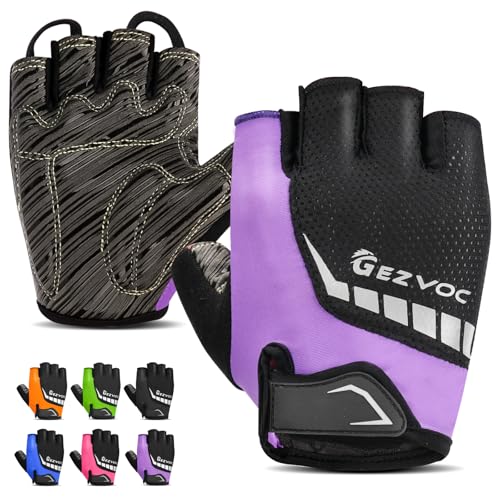
GEZVOC Cycling Gloves Bike Gloves Biking Gloves for Men Women with
Shock-absorbing palm pad reduces fatigue
View Today's PriceHow to Choose the Right Cycling Gloves
Choosing the right cycling gloves depends on how your riding style, climate, padding preference, fit, and budget interact—trade-offs that shift based on your hand size, terrain, and frequency of use. A glove perfect for summer road rides can be miserable on cold commutes, while heavy padding for numbness may overheat in July. Our recommendation engine weighs your unique needs across five dimensions and matches you to the right cycling glove in under 60 seconds.
About this guide
Cycling Gloves
Why Cycling Glove Selection Is Trickier Than It Looks
Most riders underestimate just how much the right cycling gloves can change their experience—until numbness, blisters, or a crash proves otherwise. The real challenge is balancing protection, comfort, and control: too much padding (5–6mm gel) in cycling gloves can dull bar feel and overheat your hands, while too little (3–4mm foam) leaves you exposed to road buzz and fatigue. Price tiers matter: $12–$18 gets you basic cycling gloves like the INBIKE 5mm Padded Half Finger, while $25–$35 brings windproof, thermal, or touchscreen cycling gloves as seen in the GripGrab Ride. Many buyers grab a “medium” cycling glove without measuring, only to discover fit varies wildly between brands—tight cycling gloves cut circulation, loose ones bunch and chafe. Most overlook how different cycling glove designs—half-finger for summer, full-finger for cold or technical riding—directly affect comfort and safety. Even seemingly minor cycling glove details like terrycloth thumb panels or pull tabs can make or break daily usability. Don’t get fooled by “breathable” claims: thick gel pads in cycling gloves can still trap sweat in July. The biggest mistake? Assuming one pair of cycling gloves fits all rides or seasons.
What Actually Sets Cycling Gloves Apart
The features that matter most in cycling gloves aren’t always obvious on the shelf. Gel padding (5–6mm) in cycling gloves outperforms foam by about 30% in vibration absorption, crucial for those logging long road or gravel miles—skip foam cycling gloves if you get numb hands. For summer, half-finger cycling gloves like the LuxoBike Anti-Slip maximize airflow and tactile feedback, but don’t expect these cycling gloves to protect you in a crash or on cold mornings. Full-finger cycling gloves such as GripGrab Ride add warmth, knuckle protection, and often touchscreen compatibility, but can feel stuffy above 70°F. Water resistance isn’t universal—look for DWR coatings or waterproof membranes in cycling gloves if you ride in rain, but know these cycling gloves can compromise breathability. Brands like INBIKE and MOREOK offer reinforced seams and machine-washable cycling gloves, addressing durability complaints from sub-$10 options. Prioritize fit above all: a cycling glove that bunches or pinches will ruin even a short ride. Skip “hybrid” finger styles—they rarely excel in any condition. Reflective accents are a must for commuters or night riders, while MTB cycling gloves benefit from extra grip texture and thicker knuckle panels.
How to Make the Right Cycling Glove Choice
Your ideal cycling gloves depend on how your needs interact: riding style dictates padding and protection, climate determines finger coverage, and budget limits which premium cycling glove features are realistic. For example, road cyclists tackling 40+ mile rides should lean toward gel-padded half-finger cycling gloves for vibration damping, but those commuting in unpredictable weather need water-resistant cycling gloves and reflective details. Sizing is non-negotiable—measure your hand circumference at the knuckles, not just length, and check each cycling glove brand’s chart. Our quiz weighs your finger style, padding preference, riding type, budget, and fit requirements to match you with the right cycling gloves. Don’t chase features you’ll never use: touchscreen fingertips are wasted if you ride tech-free, and thick winter cycling gloves will frustrate in July. Remember, the wrong padding or fit in cycling gloves can cause more harm than riding gloveless. If you ride both road and MTB, you may need two pairs of cycling gloves. Prioritize comfort and grip for your main use—everything else in cycling gloves is a bonus. Always check for reinforced seams and machine-washable labels on cycling gloves to avoid early wear and stink.
Buyer's guide
How to choose
1Core Performance Criteria
- Choose gel-padded gloves with 5–6mm inserts for maximum vibration absorption on long or rough rides; foam padding flattens out much faster.
- Half-finger gloves provide the best breathability and bar feel for warm weather, but sacrifice crash protection and warmth on cold mornings.
- Full-finger gloves, like the GripGrab Ride, are essential for temperatures below 50°F or technical off-road riding where knuckle protection matters.
- Look for anti-slip palm materials—LuxoBike and INBIKE use silicone or textured synthetic leather to prevent handlebar slips in wet or sweaty conditions.
- Prioritize touchscreen-compatible fingertips if you use a GPS or phone mid-ride, but skip this feature if you never interact with devices.
- Check for terrycloth thumb panels for sweat wiping; this small detail makes a big difference on long, hot rides.
2Build Quality and Durability
- Avoid gloves under $10, as seams often fray or split after just a few washes or 50–100 miles of use.
- Machine-washable gloves with reinforced stitching, like those from INBIKE or MOREOK, last significantly longer and resist stretching or misshaping.
- Check for double-layer palms in high-wear zones—these prevent early holes, especially for riders who grip hard or ride daily.
- Elastic cuffs and adjustable hook-and-loop closures ensure a secure fit that won’t loosen or slip during aggressive riding.
- Synthetic leather or microfiber palms outlast basic mesh or cotton, especially in wet weather or after repeated washing.
- Look for brands that offer clear sizing charts and replacement guarantees, since glove fit and durability are closely linked.
3Value and Price Analysis
- The sweet spot for quality cycling gloves in 2026 is $15–$25, balancing durability, comfort, and features without unnecessary markups.
- Budget gloves under $12 may seem tempting, but often fail quickly—expect seam failures and compressed padding within a few months.
- Mid-range gloves ($18–$32) add features like touchscreen fingertips, better padding, and more reliable sizing—ideal for most regular riders.
- Premium models ($32–$50) from brands like Pearl Izumi or Giro offer advanced fabrics and fit, but only justify the price for high-mileage cyclists.
- Don’t pay extra for “fashion” colors or graphics; invest in functional upgrades like gel padding or DWR water resistance instead.
- Watch for seasonal sales—spring and fall often bring discounts on last year’s models without sacrificing real-world performance.
4Use-Case Fit and Personalization
- Road cyclists logging 40+ mile rides should prioritize gel-padded half-finger gloves for vibration damping and bar feel.
- Commuters benefit from full-finger gloves with reflective accents and water resistance, especially for early mornings or rainy days.
- Mountain bikers need full-finger gloves with thicker knuckle protection and aggressive grip texture for technical descents.
- Summer riders should choose lightweight, breathable half-finger gloves—thick padding can cause overheating and sweaty hands above 70°F.
- If you ride year-round, consider owning both a summer and a winter pair—no single glove excels in all conditions.
- Women or riders with smaller hands should check for women-specific fit options, as unisex gloves can bunch or leave excess finger length.
5Common Mistakes and Pitfalls
- Most buyers guess their size—always measure hand circumference at the knuckles and consult each brand’s chart for accurate fit.
- Choosing foam padding over gel to save money is a false economy—foam compresses and loses shock absorption after 50–100 miles.
- Assuming “breathable” means cool in summer; thick gel pads or synthetic palms can still trap sweat and cause discomfort.
- Neglecting wet-weather grip testing can lead to dangerous handlebar slips—spray gloves with water before your first ride to check.
- Washing gloves by hand instead of machine (when allowed) actually shortens their life and can cause seams to fray faster.
- Buying “hybrid” finger styles rarely works—stick to half-finger for heat, full-finger for cold or technical terrain.
6Maintenance and Longevity
- Machine-wash gloves regularly to prevent odor and bacteria buildup—brands like INBIKE and MOREOK design for easy laundering.
- Always air-dry gloves; high heat from dryers can shrink synthetic fabrics and degrade padding material.
- Inspect seams and palm padding every few weeks—early repairs prevent small splits from becoming irreparable holes.
- Rotate between two pairs if you ride daily; this extends glove life and allows full drying between rides.
- Store gloves out of direct sunlight, as UV exposure can weaken elastic cuffs and fade reflective details over time.
- Replace gloves when padding compresses flat or palms become slippery—don’t wait for holes to appear before upgrading.
FAQ
Frequently asked questions
Is gel padding worth paying extra for in cycling gloves?
Yes, gel padding—especially in the 5–6mm range—offers about 30% better vibration absorption than foam, making a noticeable difference on long or rough rides. If you’re prone to hand numbness or fatigue, investing in gel-padded gloves like the INBIKE or MOREOK models is well worth the extra $3–$7. Foam padding flattens quickly, so gel is a better long-term value for most cyclists.
How does INBIKE compare to LuxoBike for half-finger cycling gloves?
INBIKE and LuxoBike both offer solid half-finger gloves under $20, but INBIKE typically uses thicker 5mm gel pads for superior shock absorption, while LuxoBike focuses on anti-slip grip and lighter padding. INBIKE’s sizing runs slightly tighter, so double-check their chart. For long rides or rough roads, INBIKE’s extra gel is preferable; for short commutes or hot weather, LuxoBike’s breathability may win out.
What padding thickness do I need for road cycling versus mountain biking?
For road cycling, 3–4mm foam or gel padding is usually enough to dampen vibration without sacrificing handlebar feel. Mountain biking or gravel riders should opt for 5–6mm gel pads to handle bigger bumps and impacts. If you ride both, consider having separate gloves for each: lighter padding for road, heavier for off-road.
Are touchscreen-compatible gloves reliable for phone or GPS use?
Touchscreen fingertips work well on most modern cycling gloves, especially from brands like GripGrab and Pearl Izumi. However, performance can drop if the gloves are wet or dirty. If you regularly use your phone or GPS mid-ride, prioritize gloves with clearly marked touchscreen zones. For pure summer riding, half-finger gloves may be easier for device use anyway.
How do I ensure the right fit when sizing cycling gloves?
Always measure your hand circumference at the knuckles (excluding the thumb) and compare it to each brand’s sizing chart—never assume your usual size will fit. Brands like INBIKE and MOREOK are known to run small, so size up if you’re on the borderline. A glove should fit snugly without pinching or bunching, and fingers should not extend past the tips.
Do I need different gloves for summer and winter riding?
Yes, most riders benefit from owning both. Lightweight half-finger gloves keep hands cool and dry in summer, while insulated or windproof full-finger gloves like the GripGrab Ride are necessary for cold or wet conditions. Hybrid gloves rarely perform well in both extremes, so switching seasonally is the best approach for comfort and protection.
Why do cheap cycling gloves wear out so quickly?
Gloves under $10 often use single-stitched seams, thin mesh, and low-density foam that compresses or splits after 50–100 miles. Machine-washable, reinforced models from brands like INBIKE or MOREOK last longer. Spending $15–$25 upfront saves money over time, as you’ll avoid frequent replacements and get better grip, fit, and durability.
Related reading
Best Cycling Gloves By Category
Related Guides
Advanced Telescopes
Aperture, mount type, portability, and setup—matched to your observing goals and real-life constraints in seconds.
Avalanche Beacons & Transceivers
Skill level, rescue needs, budget, battery type, and Bluetooth—get matched to the safest avalanche beacon for your backcountry trips.
Backyard Playground Sets
Play features, yard size, age range, and installation—get matched to a backyard playground set that truly fits your family.
Backyard Trampolines
We match trampolines to your jumpers’ ages, bounce style, yard size, safety needs, and budget—no more guessing or risky shortcuts.
Bike Lights
Matched to your commute, riding environment, brightness needs, charging style, and budget—get the right bike light for your safety.