Skip the research trap. Get your premium combi steam ovens in 60 seconds.
We scored 250+ premium combi steam ovens across 5 dimensions — answer 5 quick questions and we'll match you to YOUR best pick.
Powered by DecisionScore™
Each product is evaluated across 18 weighted criteria — covering performance, value, build quality, and real-world usability. Your quiz answers re-weight the criteria to match what matters most to you, so two people can get different #1 picks from the same data.
See the DecisionScore methodology →- Countertop design plugs into a standard outlet
- Compact cavity ideal for small households
- Simple controls for straightforward steam and convection cooking
Find your perfect premium combi steam ovens
5 quick questions. No quiz-takes-10-minutes trap. A personalized match from 22 scored picks — with clear reasoning for every recommendation.
What is your preferred oven size?
Oven size is crucial as it determines the capacity and the space it will occupy in your kitchen. Larger ovens are suitable for bigger families or those who entertain often, while smaller ones are ideal for compact spaces or smaller households.
- Measure your available space before deciding—30-inch built-ins need a standard wall cutout, while countertops just need a sturdy surface.
- Check your kitchen’s electrical outlets: built-ins may require 240V, but countertop ovens work with regular 120V plugs.
- Consider future renovations—built-ins are permanent, while countertop models can move with you or be stored away.
As an Amazon Associate and affiliate partner we earn from qualifying purchases. Links on this page may earn us a commission at no extra cost to you. Full disclosure
Not ready for the quiz? Here are our overall top picks
These are our top-rated picks overall. For a recommendation matched to YOUR specific needs,
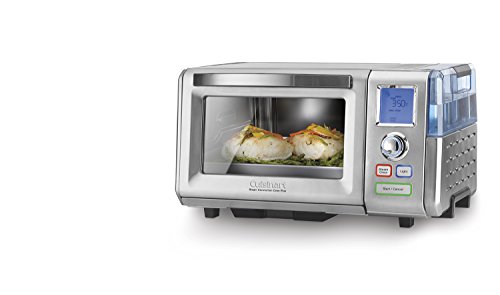
Cuisinart CSO-300N1 Steam & Convection Oven, Stainless Steel
Countertop design plugs into a standard outlet
View Today's Price
Tovala Smart Oven Pro, 6-in-1 Countertop Convection Oven - Steam, Toast, Air
Countertop design plugs into a standard outlet
View Today's Price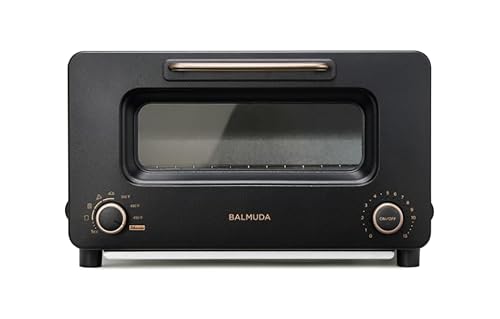
BALMUDA The Toaster Pro | Steam Oven Toaster | Compact Size 14.1″W × 12.6″D ×
Countertop design plugs into a standard outlet
View Today's PriceHow to Choose the Right Premium Combi Steam Ovens
Choosing the right premium combi steam oven depends on installation space, cooking capacity, water supply, feature priorities, and kitchen style—factors that interact in surprising ways. A model perfect for a large family kitchen may be overkill for a single renter, while a countertop unit might lack the power or features serious bakers need. Generic top-10 lists miss these nuances. Our recommendation engine evaluates your specific kitchen, habits, and preferences across five dimensions and matches you to the right oven in under 60 seconds.
About this guide
Premium Combi Steam Ovens
Why Picking the Right Steam Oven Is Tricky
Choosing premium combi steam ovens in 2026 is more complicated than most buyers expect. The main challenge with premium combi steam ovens is balancing kitchen space, power requirements, and cooking ambitions. Built-in premium combi steam ovens like the Viking VCSO241SS offer over two cubic feet of capacity and seamless integration, but they demand a 240-volt connection and often a plumbed water line—requirements that can add thousands to installation costs. Smaller 24-inch built-in premium combi steam ovens fit tight cabinets but may sacrifice internal volume. Countertop premium combi steam ovens such as the Cuisinart CSO-300N1 run on a standard 120-volt outlet and suit renters or small households, but their lower wattage means slower preheat times and limited batch sizes. Many buyers overlook the impact of water supply: plumbed premium combi steam ovens deliver hassle-free steam, while refillable reservoirs require regular attention. Price tiers are stark—expect $200 for a basic countertop premium combi steam oven, $800–$2,500 for a built-in with advanced features. Most shoppers get tripped up by focusing on flashy smart features or exterior looks, ignoring the core specs that affect daily use: internal capacity, temperature range, and maintenance needs in premium combi steam ovens.
What Actually Sets Premium Steam Ovens Apart
The real differentiators in premium combi steam ovens are cooking modes, water supply design, and build quality. High-end premium combi steam ovens from brands like Viking and ZLINE support advanced functions—think sous-vide, air fry, and precision bread proofing—while entry-level premium combi steam ovens may only offer basic steam and convection. Skip premium combi steam ovens that lack true convection if you want crisp roasting or even baking. Water supply is a make-or-break feature: plumbed premium combi steam ovens mean no mid-cook refills, but require professional installation. Removable reservoirs in premium combi steam ovens are easier for renters, though you’ll refill them frequently during long bakes. Interior construction in premium combi steam ovens matters more than you’d think—stainless steel cavities resist staining and last longer than enamel. Don’t overpay for Wi-Fi or touchscreen controls in premium combi steam ovens unless you’ll actually use them; smart features add cost but rarely improve food quality. Self-clean and descaling cycles are worth the premium for anyone who hates maintenance in premium combi steam ovens. In short: prioritize cooking performance and water supply in premium combi steam ovens over app connectivity or exterior style.
How to Choose: Capacity, Power, and Kitchen Fit
Your kitchen layout, meal size, and willingness to maintain premium combi steam ovens all interact to shape the right choice. For large families or frequent entertainers, only built-in premium combi steam ovens with over 2.5 cubic feet will handle multiple dishes or big roasts. Smaller households can save money and space with a 24-inch built-in premium combi steam oven or a countertop unit under 1.5 cubic feet. If you want hands-off convenience, a plumbed water line is essential in premium combi steam ovens, but it limits you to built-in models and higher installation costs. Removable reservoirs in premium combi steam ovens are flexible but require vigilance. Features like sous-vide and air fry are only available on select premium combi steam ovens—don’t assume every oven includes them. The quiz evaluates your installation constraints, capacity needs, water supply preference, feature priorities, and style for premium combi steam ovens. Ultimately, it’s about matching your real cooking habits to the right balance of size, power, and features in premium combi steam ovens. Don’t underestimate maintenance: even self-cleaning premium combi steam ovens need regular descaling, and skipping this step can shorten the oven’s lifespan.
Buyer's guide
How to choose
1Core Performance Criteria
- Look for ovens with true convection fans and steam injection if you want crisp crusts and juicy interiors for bread and roasts.
- A minimum temperature range of 85°F to 450°F is essential for everything from proofing dough to high-heat roasting or air fry modes.
- Advanced models like the Viking VCSO241SS support sous-vide and multi-stage cooking, which are crucial for ambitious home chefs.
- Countertop ovens such as the Cuisinart CSO-300N1 offer steam and convection but may lack the power for large batch cooking or quick preheats.
- Check the internal cavity size: anything under 1.5 cubic feet will struggle with multi-dish meals or large poultry.
- Skip models without a dedicated steam generator or with only 'humidity assist'—they won’t deliver true combi results.
2Build Quality and Durability
- Stainless steel interiors resist staining and corrosion far better than enamel, especially when exposed to constant steam cycles.
- Premium brands like Viking and ZLINE use more robust door hinges and seals, which are critical for long-term steam retention.
- Look for removable water tanks with solid handles—thin plastic reservoirs are prone to cracking after repeated use.
- Countertop models from Cuisinart and Blumlein are reliable but may show cosmetic wear faster than built-in units.
- Check for double- or triple-glazed oven doors, which improve insulation and prevent heat loss during long cooking sessions.
- Self-clean or descaling programs reduce maintenance headaches and extend the lifespan of heating elements and steam generators.
3Value Analysis
- Expect to pay $200–$400 for countertop units and $1,200–$2,500 for premium built-in combi steam ovens with advanced features.
- Don’t pay extra for Wi-Fi or touchscreen controls unless you’ll use remote monitoring or recipe integration regularly.
- Reservoir-based models are cheaper up front but may cost more in the long run due to frequent descaling and water filter replacements.
- Plumbed models require professional installation, adding $500–$1,000 to the total cost but delivering true hands-off convenience.
- Skip budget ovens that lack convection or have limited temperature ranges—they often can’t deliver the results promised by premium models.
- Factor in the cost of accessories like descaling solution, water filters, and oven-safe cooking mats, which add up over time.
4Use-Case Fit
- Large built-in ovens over 2.5 cubic feet are ideal for families, frequent bakers, or anyone who entertains with multi-dish meals.
- Compact 24-inch built-ins or countertop models suit singles, couples, or renters who want steam cooking without permanent installation.
- If you love baking artisan bread, prioritize ovens with dedicated proofing, high steam output, and precise temperature control.
- Sous-vide and air fry modes are only available on select high-end models—don’t assume every premium oven includes these functions.
- Removable reservoirs are practical for kitchens without plumbing, but require more frequent attention during long or high-steam recipes.
- Professional-style stainless designs match luxury kitchens, while minimalist glass fronts blend into modern, understated spaces.
5Common Mistakes
- Many buyers underestimate the installation requirements for built-in models, especially the need for a 240-volt outlet and plumbed water line.
- Focusing on exterior aesthetics over internal capacity or cooking modes often leads to disappointment with real-world performance.
- Assuming all premium ovens are self-cleaning—most still require regular manual descaling to avoid mineral buildup and performance loss.
- Overvaluing smart features like app control, which rarely impact cooking results but can drive up the price significantly.
- Choosing a countertop model for large families or batch cooking, only to find it’s too small for their needs.
- Neglecting to check the warranty and service network, especially for lesser-known brands or imported units.
6Maintenance and Longevity
- All steam ovens require regular descaling—plan to descale every 1–3 months depending on water hardness and usage frequency.
- Models with self-clean or automated descaling cycles, like those from ZLINE, save time and reduce the risk of mineral buildup.
- Removable water tanks should be emptied and dried after each use to prevent mold and unpleasant odors from developing.
- Check if replacement parts and water filters are readily available for your chosen brand, as some models have limited aftermarket support.
- Wipe down the stainless steel cavity after each use to prevent residue and prolong the oven’s pristine appearance.
- Ignoring maintenance can lead to steam generator failure or heating element burnout, which are costly repairs outside the typical warranty.
FAQ
Frequently asked questions
Is a plumbed water line worth paying extra for in a combi steam oven?
A plumbed water line is worth it if you cook with steam frequently or bake large batches, as it eliminates the hassle of refilling a reservoir mid-cook. Built-in models like Viking and ZLINE often require plumbing and deliver continuous steam for long recipes. However, installation costs can add $500–$1,000, so it’s only justifiable if you value true hands-off convenience and plan to use steam modes several times a week.
How does the Cuisinart CSO-300N1 compare to the Viking VCSO241SS for home bakers?
The Cuisinart CSO-300N1 is a countertop model with basic steam and convection modes, ideal for small batches and occasional baking. The Viking VCSO241SS, a built-in unit, offers advanced proofing, higher steam output, and a much larger cavity—perfect for artisan bread or multi-loaf baking. If you bake frequently and need capacity, Viking’s model is a better investment, but Cuisinart excels in compact kitchens and for casual use.
What capacity do I need for a family of four?
For a family of four, look for a combi steam oven with at least 2.0 cubic feet of internal capacity. This size accommodates multiple dishes or a large roast, ensuring you won’t need to cook in batches. Built-in models in the 24-inch or 30-inch range, such as those from Viking or ZLINE, typically meet these needs. Countertop models under 1.5 cubic feet may be too small for full family meals.
Are smart features like Wi-Fi and recipe presets actually useful?
Smart features such as Wi-Fi connectivity and recipe presets are convenient if you enjoy remote monitoring or want guided cooking for complex recipes. However, they rarely improve food quality directly. If you’re a hands-on cook, you may find these features underwhelming. Consider paying extra only if you’ll genuinely use app control or voice assistant integration; otherwise, prioritize ovens with better core performance and reliable controls.
How often do I need to descale a steam oven, and is it difficult?
Descaling frequency depends on water hardness and usage, but most premium combi steam ovens need descaling every 1–3 months. Many models, like those from ZLINE, offer automated descaling cycles that simplify the process. Manual descaling involves running a solution through the steam system and wiping down the cavity. Regular maintenance is essential—skipping it can lead to costly repairs and reduced steam performance.
Can a countertop combi steam oven replace a traditional oven?
Countertop combi steam ovens like the Cuisinart CSO-300N1 can handle most baking, roasting, and reheating tasks for small households. However, their limited capacity and lower wattage mean they struggle with large meals or multiple dishes. For singles or couples, a countertop model is a viable alternative, but families or avid bakers will find a full-size built-in oven far more versatile and efficient.
What’s the difference between a reservoir and plumbed water supply, and which is better?
Reservoir models use a removable tank you fill manually, making them ideal for renters or kitchens without plumbing. Plumbed models connect to a water line, providing unlimited steam for long cooks but requiring professional installation. Plumbed systems are best for frequent steam use and convenience, while reservoirs offer flexibility and simpler setup. Choose based on your kitchen’s infrastructure and how often you’ll use steam modes.
Best Premium Combi Steam Ovens By Category
Related Guides
Air Fryers
Matched to your kitchen space, batch size, cooking style, and must-have features—get an air fryer that truly fits your needs.
Bar Tools
Skill level, tool type, finish, budget, and how you’ll use your bar tools—get matched to the right set for your home bar.
Beginner Espresso Machines
Skill level, hands-on control, milk frothing, and kitchen space—get matched to the perfect beginner espresso machine for your daily ritual.
Best Bread Machines for Home Bakers
Loaf size, bread style, add-ins, and control—get matched to the bread machine that fits your kitchen and baking goals.
Breakfast Cookware
Matches your breakfast routine, kitchen setup, budget, and health priorities to the perfect pan, griddle, or appliance.