Skip the research trap. Get your coolers in 60 seconds.
We scored 300+ coolers across 5 dimensions — answer 5 quick questions and we'll match you to YOUR best pick.

Powered by DecisionScore™
Each product is evaluated across 18 weighted criteria — covering performance, value, build quality, and real-world usability. Your quiz answers re-weight the criteria to match what matters most to you, so two people can get different #1 picks from the same data.
See the DecisionScore methodology →- Cool Riser Technology for improved cooling
- Molded-in fish ruler on lid
- 4 tie-down points for secure transport
Find your perfect coolers
5 quick questions. No quiz-takes-10-minutes trap. A personalized match from 27 scored picks — with clear reasoning for every recommendation.
What type of cooler are you looking for?
The type of cooler affects portability, storage capacity, and insulation. Soft-sided coolers are lighter and more portable, while hard-sided coolers offer better insulation and durability. Backpack coolers are ideal for hands-free carrying.
- Rotomolded coolers offer the best ice retention but are heavier and pricier than other types.
- Soft-sided and backpack coolers are lighter and easier to carry, ideal for quick outings or hikes.
- Blow-molded coolers balance durability and weight, making them a smart choice for most users.
As an Amazon Associate and affiliate partner we earn from qualifying purchases. Links on this page may earn us a commission at no extra cost to you. Full disclosure
Not ready for the quiz? Here are our overall top picks
These are our top-rated picks overall. For a recommendation matched to YOUR specific needs,
25 QT Rotomolded Hard Cooler - Portable Ice Chest with 5-Day Ice Retention, Cool
Cool Riser Technology for improved cooling
View Today's Price
Coleman Chiller 16qt Portable Cooler with Ice Retention and 2-Way Heavy Duty
16-quart compact hard cooler
View Today's Price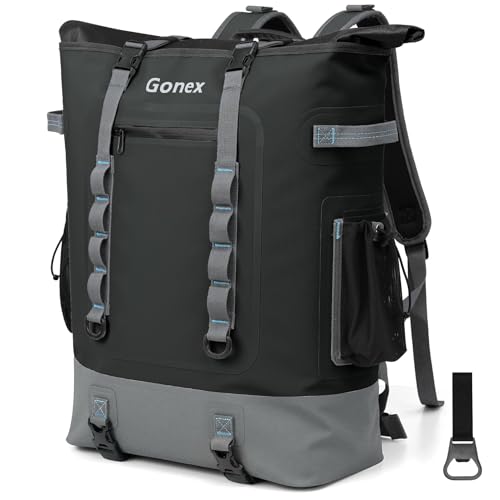
Gonex Cooler Backpack, 40 Can Insulated Soft Backpack Cooler Bag for Men Women,
40-can capacity backpack cooler
View Today's PriceHow to Choose the Right Coolers
Choosing the right cooler depends on ice retention, capacity, portability, durability, and feature trade-offs that shift based on your trip length, group size, and carrying needs. A feature that’s perfect for a week-long camping trip can be overkill for a quick beach day, while a lightweight cooler may disappoint on multi-day adventures. Our recommendation engine evaluates your specific requirements across five key dimensions and matches you to the right cooler in under 60 seconds.
About this guide
Coolers
Why Cooler Shopping Is Trickier Than You Think
Choosing the right cooler in 2026 isn’t just about picking a box that keeps drinks cold. You’re balancing ice retention (5–10 days for top rotomolded models, 24 hours for soft-sided bags), capacity (20-quart day coolers vs. 65-quart family chests), and portability—wheels, backpack straps, or simple rope handles all have trade-offs. Price tiers are real: sub-$60 coolers rarely deliver multi-day ice retention, while $280 premium picks can seem excessive for casual users. Most buyers underestimate how much weight a fully loaded cooler adds, or overvalue brand hype without checking real specs. Brands like RTIC, Engel, Igloo BMX, Coleman, and Canyon Coolers now offer serious performance at mid-range prices, challenging the old idea that only YETI is worth it. Many shoppers also get tripped up by durability claims—rotomolded coolers outlast blow-molded and soft-sided rivals, but they’re heavier and pricier. The real challenge is matching your actual trip style and frequency to the right balance of insulation, size, and portability, not just chasing the highest ice retention number. Ultimately, understanding how coolers fit your routine is more important than chasing the most hyped features.
What Actually Sets Coolers Apart in 2026
Not all coolers are created equal, and the differences go far beyond brand names. Rotomolded hard coolers—like those from Engel or Canyon—are the gold standard for multi-day ice retention, but they’re heavy and overkill for day trips. Blow-molded models such as the Igloo BMX offer a sweet spot: lighter than rotomolded, tougher than basic coolers, and usually under $150. Soft-sided coolers from YETI, IceMule, and Engel excel in portability and are ideal for hikes or picnics, but rarely keep ice for more than 24–36 hours. Backpack coolers are a significant upgrade for hands-free adventures, but capacity is limited—don’t expect to pack a weekend’s worth of food. Skip bear-resistant certification unless you camp in bear country; it adds weight and cost. Leak-proof construction matters most in soft and backpack designs where you might carry the cooler inside your car or on your back. For most buyers, ice retention and portability matter more than fancy features like built-in bottle openers or smart shelves—unless you actually need them. Comparing coolers side by side helps clarify which features are truly essential for your needs.
How to Choose: Decision Factors That Really Matter
Capacity, insulation type, and portability all interact—your group size and trip length dictate how much space and ice retention you need, but your ability to carry or roll the cooler is just as crucial. A 65-quart rotomolded chest is unbeatable for a four-day camping trip, but it’s a pain for solo use at the beach. Wheels add convenience but also weight and bulk; backpack straps are great for short hikes, but not for hauling a week’s supplies. Budget constrains which features are realistic: sub-$60 coolers mean basic blow-molded or soft-sided designs, while $200+ opens up rotomolded durability and multi-day performance. Our quiz evaluates your insulation preference, portability needs, leak-proof priorities, capacity, and desire for advanced features. The smartest approach is to buy coolers for your most frequent scenario, not the rare epic trip—don’t overpay for bear resistance or 10-day ice retention if you mostly picnic at the park. Always check real-world reviews for ice retention claims, as lab specs rarely match field results.
Buyer's guide
How to choose
1Core Performance Criteria
- Ice retention is king—rotomolded coolers from Engel and RTIC can keep ice solid for 5–10 days, while soft-sided bags max out at 24–36 hours.
- Capacity matters: 20-quart coolers suit solo or day use, but 65-quart chests are essential for family trips or multi-day adventures.
- Thermal insulation quality is more important than brand hype—look for thick walls and gasketed lids, not just a famous logo.
- Wheeled coolers like the Coleman Xtreme 5-Day are practical for heavy loads, but add weight and bulk, so only choose if you’ll use them.
- Backpack coolers such as IceMule Pro XL are unbeatable for hands-free portability, but don’t expect them to hold enough for a group.
- Leak-proof construction is essential for soft-sided and backpack models, especially if you’ll carry them in cars or close to your body.
2Build Quality and Durability
- Rotomolded construction, found in premium models from Engel and Canyon, resists cracking and warping far better than standard blow-molded coolers.
- Stainless steel hardware and reinforced hinges are worth paying for if you want a cooler that lasts more than a few seasons.
- Budget coolers under $60 often use plastic latches and thin walls, which can fail after a year of regular use or rough handling.
- Soft-sided coolers with double-stitched seams and heavy-duty zippers, like those from YETI and AO Coolers, outlast generic brands by years.
- Bear-resistant certification adds peace of mind for wilderness camping, but also increases weight and price—skip it for backyard or beach use.
- Check for UV-resistant materials if you’ll store your cooler outdoors, as sun damage can degrade plastic and fabric over time.
3Value Analysis: Price vs. Performance
- Sub-$60 coolers are fine for occasional use, but don’t expect more than a day of ice retention or serious durability.
- Mid-range options ($100–$180) like Igloo BMX and RTIC offer impressive performance without the premium price tag of YETI or Engel.
- Premium coolers ($200–$280) deliver multi-day ice retention and rugged build, but may be overkill unless you camp or fish often.
- Soft-sided and backpack coolers from brands like IceMule and AO Coolers offer great value if portability is your top priority.
- Don’t pay extra for features you won’t use—built-in bottle openers and smart shelves are nice, but rarely justify a $50–$70 premium.
- Factor in long-term cost: a $220 rotomolded cooler that lasts a decade beats replacing a $60 cooler every two years.
4Use-Case Fit: Matching Cooler to Adventure
- For multi-day camping, a 55–65 quart rotomolded cooler is the only way to ensure food safety and ice retention for the whole trip.
- Day trips or picnics are best served by 20–30 quart soft-sided or blow-molded coolers, which are lighter and easier to carry.
- Beach outings benefit from wheeled coolers like the Coleman Xtreme, which can be pulled across sand when fully loaded.
- Backpack coolers are ideal for hikes or festivals, but their limited capacity means you’ll need to pack strategically for more than two people.
- If you camp in bear country, only consider certified bear-resistant models like Engel ENG65; otherwise, skip the weight and cost.
- Tailgaters and sports fans should look for coolers with easy-access lids and cup holders, which streamline group events.
5Common Mistakes and Pitfalls
- Overestimating capacity needs leads to lugging a half-empty 65-quart cooler when a 20-quart would do the job.
- Assuming all ice retention claims are equal—lab tests rarely match real-world use, especially in direct sun or frequent opening.
- Ignoring weight: a fully loaded rotomolded cooler can top 50 pounds, making wheels or two-person handles essential.
- Choosing soft-sided coolers for multi-day trips is a recipe for melted ice and spoiled food—stick to hard-sided for anything over 24 hours.
- Paying extra for bear resistance or smart shelves when you’ll never use them adds cost without real benefit.
- Skipping leak-proof features in soft or backpack coolers often results in wet car seats or soggy gear after a long day.
6Maintenance and Longevity
- Always dry your cooler thoroughly after each use to prevent mold and odor, especially with soft-sided and fabric models.
- Clean rotomolded and blow-molded coolers with mild soap—harsh chemicals can degrade gaskets and plastic over time.
- Check and replace gaskets on premium coolers every few years to maintain maximum ice retention and leak resistance.
- Store coolers out of direct sunlight to prevent UV damage, which can crack plastic and fade fabric.
- Lubricate hinges and latches annually on hard-sided coolers to avoid rust and ensure smooth operation.
- Inspect soft cooler seams and zippers for wear—early repairs can extend the lifespan by several seasons.
FAQ
Frequently asked questions
Is rotomolded construction worth paying extra for?
If you need a cooler for multi-day camping or fishing trips, rotomolded models like Engel ENG65 or RTIC are absolutely worth the investment. They provide 5–10 days of ice retention and unmatched durability, making them ideal for demanding situations. For casual day trips or picnics, however, the extra weight and cost may not be justified. In those cases, a quality blow-molded or soft-sided cooler will do the job just fine and save you money.
How does YETI compare to RTIC and Engel in 2026?
YETI still sets the benchmark for premium soft-sided coolers, but RTIC and Engel now offer comparable ice retention and build quality at lower prices. RTIC’s hard coolers rival YETI’s for insulation and durability, while Engel’s ENG65 is bear-resistant and achieves 10-day ice retention. Unless you want the YETI brand or specific features, RTIC and Engel deliver nearly identical real-world performance for less money.
What capacity cooler do I need for a family camping trip?
For a family of four on a weekend camping trip, a 55–65 quart hard-sided cooler is ideal. This size, found in models like the Engel ENG65 or Coleman 50-Quart Xtreme, holds enough food and drinks for multiple days and ensures reliable ice retention. Anything smaller will require frequent ice top-ups, while anything larger becomes unwieldy to transport. Always consider your group size and trip length when choosing capacity.
Are backpack coolers like the IceMule Pro XL good for hiking?
Backpack coolers such as the IceMule Pro XL are excellent for hiking and active outings. They offer hands-free carrying, are fully waterproof, and keep contents cold for 24+ hours. However, their capacity is limited—perfect for two people’s lunch and drinks, but not for a group. If you need to haul supplies for more than a day or several people, a hard-sided cooler is a better fit.
Do I really need a bear-resistant cooler?
Bear-resistant coolers are only necessary if you’re camping in regulated bear country or want maximum security for your food. Certified models like Engel ENG65 add weight and cost, but are mandatory in some national parks. For beach trips, tailgates, or backyard use, standard coolers are more practical and affordable. Don’t pay extra for bear resistance unless your destination requires it.
How long will a soft-sided cooler keep ice?
Premium soft-sided coolers from brands like YETI, AO Coolers, and Engel typically keep ice for 24–36 hours under real-world conditions. This is ideal for day trips, picnics, or short hikes. If you need ice to last longer than a day, especially in hot weather, a hard-sided or rotomolded cooler is a better investment. Always check user reviews, as actual performance can vary based on use and environment.
What’s the best value cooler under $100?
Under $100, the Igloo BMX and AO Coolers Stow-N-Go offer standout performance. The Igloo BMX is a blow-molded hard cooler with solid ice retention and rugged build, while AO Coolers’ soft-sided Stow-N-Go is leakproof and holds ice for a full day. Both have hundreds of positive reviews and outperform most generic budget options. For occasional use, these deliver real value without premium pricing.
Related reading
Best Coolers By Category
Related Guides
Advanced Telescopes
Aperture, mount type, portability, and setup—matched to your observing goals and real-life constraints in seconds.
Avalanche Beacons & Transceivers
Skill level, rescue needs, budget, battery type, and Bluetooth—get matched to the safest avalanche beacon for your backcountry trips.
Backyard Playground Sets
Play features, yard size, age range, and installation—get matched to a backyard playground set that truly fits your family.
Backyard Trampolines
We match trampolines to your jumpers’ ages, bounce style, yard size, safety needs, and budget—no more guessing or risky shortcuts.
Bike Lights
Matched to your commute, riding environment, brightness needs, charging style, and budget—get the right bike light for your safety.