Skip the research trap. Get your bidet toilet seats in 60 seconds.
We scored 700+ bidet toilet seats across 5 dimensions — answer 5 quick questions and we'll match you to YOUR best pick.

Powered by DecisionScore™
Each product is evaluated across 18 weighted criteria — covering performance, value, build quality, and real-world usability. Your quiz answers re-weight the criteria to match what matters most to you, so two people can get different #1 picks from the same data.
See the DecisionScore methodology →- Offers tankless water heating for consistent warm cleansing
- Heated seat with adjustable temperature
- Built‑in warm air dryer
Find your perfect bidet toilet seats
5 quick questions. No quiz-takes-10-minutes trap. A personalized match from 66 scored picks — with clear reasoning for every recommendation.
What level of comfort and features are you looking for?
Luxury spa seats provide endless warm water, dryers, deodorizers, sanitization and remote controls. Balanced comfort seats offer warm water and heated seats without every bell and whistle. Value essentials focus on core washing functions at a lower price. Non‑electric attachments use tap water and manual controls without heating.
- Luxury spa seats require a power outlet and cost $500+, but deliver the most comfort and features.
- Balanced comfort seats offer warm water and heated seats at a mid-range price—great for most households.
- Non-electric attachments are affordable and easy to install, but skip heating and advanced features entirely.
As an Amazon Associate and affiliate partner we earn from qualifying purchases. Links on this page may earn us a commission at no extra cost to you. Full disclosure
Not ready for the quiz? Here are our overall top picks
These are our top-rated picks overall. For a recommendation matched to YOUR specific needs,
ALPHA BIDET iX Pure Bidet Toilet Seat in Elongated White | Ultra Low Profile |
Offers tankless water heating for consistent warm cleansing
View Today's Price
BidetKing Crown Elongated Bidet Toilet Seat, Endless Warm Water, Strong Spray,
Offers tankless water heating for consistent warm cleansing
View Today's Price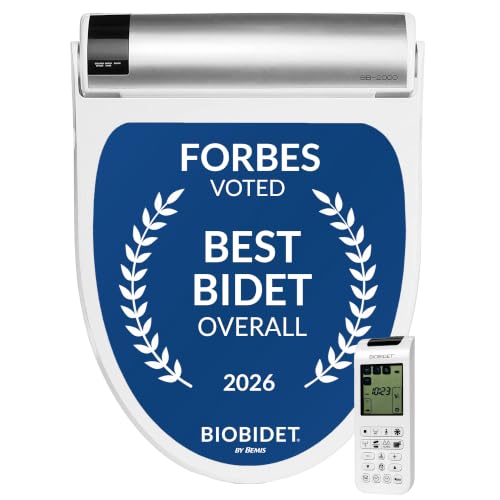
Bio Bidet BB2000 Bliss Electric Bidet Toilet Seat, Warm Water with Air Dryer,
Offers hybrid water heating for consistent warm cleansing
View Today's PriceHow to Choose the Right Bidet Toilet Seats
Choosing the right bidet toilet seat depends on comfort priorities, installation constraints, budget, and household needs—trade-offs that shift based on your bathroom’s layout, power access, and user preferences. A feature that’s perfect for a family (like user presets) may be wasted in a solo bathroom, and a luxury seat is useless without a nearby outlet. Our recommendation engine evaluates your specific setup across five dimensions and matches you to the right bidet seat in under 60 seconds.
About this guide
Bidet Toilet Seats
Why Bidet Seat Shopping Is Trickier Than It Looks
Bidet toilet seats might seem straightforward, but the real challenge is navigating a maze of features, installation quirks, and price jumps that actually affect your comfort. The difference between a $60 TUSHY Classic 3.0 bidet toilet seat attachment and an $800 Toto Washlet isn’t just luxury—it’s about water heating (tankless vs hybrid), power needs, and even bowl fitment. Many buyers overlook the need for a nearby outlet; without one within four feet, your high-end electric bidet toilet seat is useless. Specs like heated seats, air dryers, and sanitizing systems sound great, but not every household needs them—or wants to pay for them. Most people get tripped up by focusing on headline features of bidet toilet seats instead of fit, installation, and daily usability. For example, non-electric bidet toilet seat attachments rely solely on water pressure and skip heating entirely, which is fine for some but a dealbreaker for others. The real trade-off with bidet toilet seats? Comfort and cleanliness versus complexity and cost. Don’t assume more expensive bidet toilet seats always mean better for your bathroom or lifestyle.
What Actually Sets Bidet Seats Apart
The bidet toilet seats market splits into clear tiers: non-electric attachments, mid-range electric bidet toilet seats, and luxury spa washlets. The biggest differentiators among bidet toilet seats are water heating (tankless systems like Toto’s offer endless warm water, while hybrids may run cold mid-wash), control style (side panel, remote, or manual dial), and sanitization (UV or electrolyzed water in high-end bidet toilet seats like Brondell Swash vs. basic nozzle rinsing). Skip UV sanitization on bidet toilet seats unless you’re sharing with immunocompromised users—it’s overkill for most. Prioritize wireless remotes and user presets on bidet toilet seats if multiple people will use the seat; otherwise, a side panel is simpler and just as reliable. Warm-air dryers and heated seats are significant upgrades for comfort on bidet toilet seats, but only if you have the right power setup. Don’t get distracted by deodorizers and night-lights on bidet toilet seats unless your bathroom genuinely needs them. Brands like Bio Bidet, Toto, and Brondell dominate the premium bidet toilet seats space, while TUSHY and LUXE rule the value segment. Stainless steel nozzles and self-cleaning functions on bidet toilet seats matter more for hygiene than any extra gadget. Focus on these real-world differences in bidet toilet seats, not just the spec sheet.
How to Match Features, Fit, and Budget—And What Our Quiz Evaluates
The right bidet toilet seat depends on how your bathroom, budget, and comfort priorities interact. Room size and toilet shape (elongated vs round) determine which bidet toilet seats will physically fit, while your budget narrows which features are realistic—$200 gets you warm water and basic comfort on bidet toilet seats, but not UV sanitization or user presets. If you share your bathroom, multi-user memory on bidet toilet seats is worth the premium; solo users can skip it. Electric bidet toilet seats need a GFCI outlet within four feet—no exceptions. Our quiz weighs your comfort level, control preference, cleaning priorities, and need for personalization to recommend the right bidet toilet seat match. Think through installation: if you can’t run power, stick with non-electric bidet toilet seats. If you want endless warm water, only tankless heaters on bidet toilet seats deliver—hybrid models can run cold in winter. Don’t underestimate daily annoyances: side panels on bidet toilet seats are easier for older adults, while remotes suit families. The smartest buy is the bidet toilet seat that fits your space, habits, and budget—not just the one with the most features.
Buyer's guide
How to choose
1Core Performance Criteria: Water Heating, Spray, and Controls
- Tankless water heaters in Toto and Brondell seats provide unlimited warm water, while hybrid heaters may run cold after 30 seconds of use.
- Stainless steel nozzles are more hygienic and durable than plastic, especially in models like Bio Bidet BB1000 and Brondell Swash.
- Adjustable spray width and pressure settings matter most for comfort—look for at least three positions and variable strength.
- Wireless remote controls offer easier access for families and those with mobility needs, but side panels are simpler for single users.
- Warm-air dryers replace toilet paper for many, but only higher-end seats ($400+) deliver enough heat and airflow to be practical.
- Self-cleaning nozzles are now standard on mid-range seats; UV or electrolyzed water sanitization is only worth it for shared or high-traffic bathrooms.
2Build Quality and Durability: Materials, Hinges, and Nozzle Design
- Premium seats like Toto and Brondell use reinforced hinges and thicker plastics that resist cracking over years of daily use.
- Stainless steel or antimicrobial-coated nozzles are less prone to buildup and corrosion than basic plastic, especially with hard water.
- Look for models with silicone seat bumpers or stabilizing kits to prevent shifting—loose seats are the top long-term complaint.
- Electric bidets with GFCI surge protection last longer and are safer, especially in older homes with unpredictable wiring.
- Nozzle retraction and automatic cleaning cycles reduce wear and keep spray consistent after years of use.
- Warranty length varies: 1 year is standard on value models, but Toto and Brondell offer up to 3 years on premium seats.
3Value Analysis: What You Get at Each Price Point
- Under $100, expect non-electric attachments like TUSHY Classic 3.0—no heating, just basic washing with manual controls.
- The $200–$350 range gets you heated seats, adjustable spray, and warm water—SmartBidet and Alpha iX Hybrid are strong picks here.
- Above $400, luxury features appear: tankless heaters, warm-air dryers, UV sanitization, and remote controls for multi-user households.
- High-end Toto and Brondell models justify their $600+ price with endless warm water, user presets, and spa-level comfort.
- Mid-range seats often balance features and build quality best—don’t assume you need every extra unless you’ll use them daily.
- Installation costs can add $50–$150 if you need a new outlet or professional help—factor this into your total budget.
4Use-Case Fit: Matching Features to Your Bathroom and Household
- Measure your toilet bowl—elongated seats fit most US toilets, but round models are essential for older or compact bathrooms.
- If you lack a nearby outlet, stick with non-electric or battery-powered attachments to avoid costly rewiring.
- Families or shared bathrooms benefit from user memory presets and wireless remotes, making daily use easier for everyone.
- Older adults or those with limited mobility should prioritize side-panel controls and simple, tactile buttons over touchscreens.
- Small bathrooms may need models with slimmer profiles—some luxury seats are bulkier and may interfere with closing lids.
- Frequent guests or high-traffic bathrooms should prioritize self-cleaning nozzles and sanitization features for hygiene peace of mind.
5Common Mistakes: Pitfalls That Trip Up Buyers
- Ignoring outlet placement leads to failed installations—always check for a GFCI outlet within four feet before buying an electric seat.
- Assuming all seats fit all toilets is a recipe for returns—double-check bowl shape and mounting dimensions.
- Overpaying for features like UV sanitization or night-lights when you’ll never use them wastes money better spent on core comfort.
- Choosing plastic nozzles to save money often results in faster wear and more cleaning headaches down the line.
- Skipping installation accessories like seat bumpers or surge protectors shortens your seat’s lifespan and can void warranties.
- Believing that higher price always means better cleaning—spray strength and nozzle design matter more than luxury extras for hygiene.
6Maintenance and Longevity: Keeping Your Bidet Seat Running Smoothly
- Regularly clean nozzles with a non-abrasive solution to prevent buildup—many seats include a self-cleaning cycle, but manual cleaning is still needed monthly.
- Replace water filters every 6–12 months if your home has hard water; this protects internal valves and extends seat life.
- Inspect and tighten mounting hardware annually to prevent shifting and premature hinge wear, especially on heavier electric models.
- Unplug and reset electric seats during power surges or outages—using a surge protector is highly recommended for all premium models.
- Check hoses and T-valves for leaks every few months, especially after installation or if you notice water on the floor.
- Warranty support is strongest with major brands like Toto, Brondell, and Bio Bidet—register your seat and keep receipts for quicker service.
FAQ
Frequently asked questions
Is a tankless water heater worth paying extra for in a bidet seat?
Yes, if you want unlimited warm water and consistent temperature, especially for longer washes. Tankless heaters, found in high-end Toto and Brondell models, never run cold mid-use. Hybrid heaters in mid-range seats can cool off after 30 seconds, which frustrates many users in colder climates. If you value comfort and have multiple users or longer sessions, tankless is a worthwhile upgrade.
How does Brondell compare to Toto and Bio Bidet for reliability and features?
Brondell and Toto lead in durability, with reinforced hinges and tankless heaters in their premium lines. Brondell Swash seats excel at user presets and remote controls, while Toto Washlets are praised for endless warm water and build quality. Bio Bidet offers strong spray performance and value, especially in the BB1000 and BB1700. For long-term reliability, Toto and Brondell are top picks, but Bio Bidet is a great mid-priced alternative.
What features do I lose with a non-electric bidet attachment?
Non-electric attachments like the TUSHY Classic 3.0 skip all heating—water is room temperature, and there’s no heated seat or air dryer. You’ll control spray with a manual knob, and there’s no self-cleaning nozzle or sanitization system. These models are slim, easy to install, and fit most toilets, but lack the comfort and advanced hygiene features of electric seats. They’re ideal for renters or bathrooms without outlets.
Do I need a nearby power outlet for an electric bidet seat?
Absolutely—every electric bidet seat requires a GFCI outlet within four feet of your toilet. Without this, installation isn’t possible. Running a new outlet can cost $100–$200, so check before you buy. Non-electric attachments are the only option if your bathroom lacks accessible power. Always factor outlet placement into your buying decision to avoid costly surprises.
Which cleaning and sanitization feature is best for families?
For families, prioritize self-cleaning nozzles and, if budget allows, UV or electrolyzed water sanitization. Models like the Brondell Swash and Toto Washlet offer advanced hygiene, reducing the need for manual cleaning and minimizing germ spread. Silver-nano coatings add antimicrobial protection but are less effective than active sanitization. For high-traffic bathrooms, these features are worth the investment.
How do I know if a bidet seat will fit my toilet?
Measure your toilet bowl—most bidet seats are designed for elongated toilets, which are standard in newer US homes. If you have a round bowl, look for models specifically labeled as round-compatible. Check mounting hole distance and available space behind the seat. Brands like Bio Bidet and Brondell offer both shapes, but always confirm dimensions before purchasing to avoid returns.
Are warm-air dryers on bidet seats actually effective?
Warm-air dryers on premium bidet seats ($400+) can fully replace toilet paper for many users, but lower-end dryers often lack heat or airflow. If you want a true paperless experience, invest in a luxury seat from Toto or Brondell. Mid-range models include dryers, but drying times are longer and less comfortable. For most, a good dryer is a worthwhile upgrade if you want maximum convenience.
Best Bidet Toilet Seats By Category
Related Guides
Alarm Clocks
Matched to your sleep style, wake-up difficulty, power source, and must-have features—get the alarm clock that actually works for you.
Bar Carts
Style, storage, material, and budget—get matched to the bar cart that fits your space and entertaining style perfectly.
Blackout Blinds
Room use, blackout level, window size, color, and budget—get matched to the right blackout blind for your space.
Blackout Curtains
Window size, blackout level, hanging style, and color—matched to your sleep, decor, and energy-saving goals.