Skip the research trap. Get your luxury wine fridges in 60 seconds.
We scored 300+ luxury wine fridges across 5 dimensions — answer 5 quick questions and we'll match you to YOUR best pick.

Powered by DecisionScore™
Each product is evaluated across 18 weighted criteria — covering performance, value, build quality, and real-world usability. Your quiz answers re-weight the criteria to match what matters most to you, so two people can get different #1 picks from the same data.
See the DecisionScore methodology →Find your perfect luxury wine fridges
5 quick questions. No quiz-takes-10-minutes trap. A personalized match from 28 scored picks — with clear reasoning for every recommendation.
Where will your wine fridge live?
Countertop units fit on a table or counter for a handful of bottles. Freestanding cabinets stand alone and can hold dozens of bottles. Built‑in models slide into cabinetry under counters; they require front ventilation. If you're unsure, freestanding offers the most flexibility.
- Built-in models need front ventilation and precise fit—measure carefully before buying.
- Freestanding units offer more flexibility but require space around them for airflow.
- Countertop fridges are best for small spaces but have limited capacity and fewer advanced features.
As an Amazon Associate and affiliate partner we earn from qualifying purchases. Links on this page may earn us a commission at no extra cost to you. Full disclosure
Not ready for the quiz? Here are our overall top picks
These are our top-rated picks overall. For a recommendation matched to YOUR specific needs,
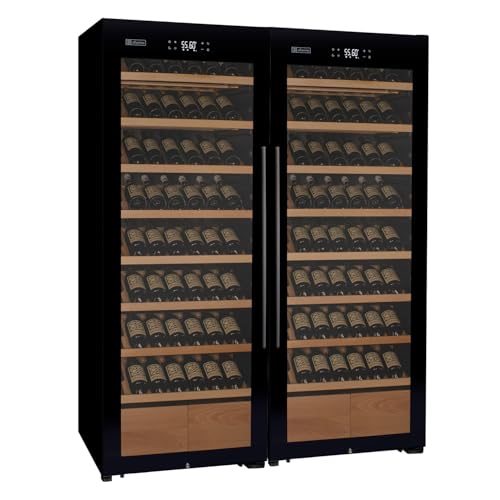

How to Choose the Right Luxury Wine Fridges
Choosing the right luxury wine fridge depends on your space constraints, collection size, preservation needs, and feature priorities—trade-offs that shift based on your installation type, wine habits, and décor. Generic top-10 lists fail here because a fridge perfect for a built-in kitchen island is wrong for a growing collection in a small apartment. Our recommendation engine evaluates your specific needs across five key dimensions and matches you to the right wine fridge in under 60 seconds.
About this guide
Luxury Wine Fridges
The Real Buying Challenge: Capacity, Installation, and Price Tiers
Selecting a luxury wine fridge in 2026 is far more nuanced than most buyers expect. The first hurdle is matching your available space to the right installation type: a slim countertop unit like the Koolatron WC06 is perfect for apartments but maxes out at just a handful of bottles, while a full-height freestanding cellar or built-in model from brands like EdgeStar or NewAir can house 30+ bottles but demands more room and a higher budget. Price tiers are stark: expect to pay $200–$400 for a compact, single-zone unit, but $800–$2,500 for a dual- or triple-zone fridge with advanced features. Many buyers mistakenly chase the highest bottle count or the flashiest design, only to discover their collection outgrows the fridge or the noise level disrupts their living space. Others overlook installation requirements—built-in models need front ventilation, while freestanding units can’t be tucked under counters. The real challenge is balancing collection size, available footprint, and feature set without overspending on specs you’ll never use. Most buyers underestimate how much these trade-offs matter until it’s too late.
What Separates the Options: Zones, Cooling Tech, and Real Performance
The key differentiators among luxury wine fridges come down to temperature zones, cooling technology, and preservation features. Single-zone models, such as the Antarctic Star 26-Bottle, hold one steady temperature—fine for aging one wine type, but a dealbreaker for mixed collections. Dual-zone and triple-zone units, like the NewAir 15" Dual Zone, let you store reds, whites, and sparkling wines at their ideal serving temps simultaneously—a must for serious collectors. Compressor-based coolers deliver robust, even cooling and handle larger capacities, but they can be noisier and vibrate more than thermoelectric models, which are whisper-quiet but limited to smaller sizes. UV-protected double-pane glass doors are critical for shielding wine from light damage, and humidity control keeps corks from drying out. Skip smart connectivity unless you want remote monitoring; it adds cost but little day-to-day value for most. Shelving materials matter: metal racks maximize capacity, while wooden shelves look elegant but can waste space. In short, prioritize dual or triple zones and compressor cooling if you’re storing a diverse or growing collection.
Decision Factors and How to Choose: Matching Specs to Your Space and Collection
Room size, collection growth, and wine type all interact to shape your ideal wine fridge. For example, a large kitchen can accommodate a built-in 50-bottle EdgeStar, but a studio apartment may only fit a compact countertop Koolatron. If you mostly drink reds, a single-zone model suffices, but if you entertain with both reds and whites, dual-zone is non-negotiable. Budget also constrains your options: under $500, expect basic cooling and smaller capacities; above $1,000, you’ll find advanced humidity control, premium shelving, and smart features. Don’t ignore noise—compressor models can hum audibly, which may be unacceptable in open living spaces. Our quiz evaluates your space, collection size, temperature needs, feature priorities, and style preferences to match you with the right fridge. Ultimately, the best choice is about harmonizing capacity, installation type, and preservation features with your real-world habits—not just chasing the highest specs or the most luxurious finish. Think ahead: collections grow, and a fridge that’s full today will be overflowing tomorrow.
Buyer's guide
How to choose
1Core Performance Criteria
- Dual-zone and triple-zone models allow you to store reds, whites, and sparkling wines at their ideal temperatures, which is essential for diverse collections.
- Compressor-based coolers, like those from EdgeStar and NewAir, provide more consistent cooling and larger capacities than thermoelectric units, but may be noisier.
- Look for digital temperature controls with a tight range (typically 41–64°F) for precise wine preservation and to avoid damaging delicate vintages.
- UV-protected double-pane glass doors shield your wine from harmful light, preserving flavor and aroma over time, especially if the fridge is in a sunny room.
- Humidity regulation is critical for long-term storage; premium models maintain 50–70% humidity to prevent corks from drying out and wine from oxidizing.
- Low-vibration operation protects wine sediment, so prioritize fridges marketed specifically for quietness if you plan to age bottles for years.
2Build Quality and Durability
- Stainless steel construction, as seen in high-end NewAir and EdgeStar models, resists dents and rust better than plastic or painted finishes.
- Solid, adjustable shelving—preferably metal or beechwood—prevents sagging and accommodates larger bottles like Champagne or Burgundy.
- Double-pane or triple-pane glass doors insulate better and are less prone to condensation or fogging than single-pane alternatives.
- Reputable brands such as Wine Enthusiast and GE typically offer longer warranties and better customer support, which matters for repairs.
- Check for robust door seals and magnetic gaskets, which keep cold air in and prevent temperature fluctuations that can spoil wine.
- Units with front-venting designs are generally more durable for built-in installations, as they dissipate heat more effectively than rear-venting models.
3Value Analysis: What You Get for Your Money
- Under $500, expect single-zone, 12–18 bottle capacity, and basic LED lighting—premium finishes or advanced features are rare at this price point.
- In the $500–$1,000 range, dual-zone cooling, UV protection, and wooden shelving become common, offering better preservation and aesthetics.
- Spending $1,000+ typically gets you smart connectivity, humidity control, triple-zone storage, and higher-end materials like seamless glass doors.
- Paying extra for smart features is only worthwhile if you want remote temperature monitoring or alerts for power outages.
- Don’t overpay for capacity you’ll never use—larger fridges cost more to run and take up valuable space if your collection is modest.
- Warranty length and service reputation matter more than flashy displays; prioritize brands with proven reliability and responsive support.
4Use-Case Fit: Matching Fridge to Lifestyle
- Countertop units like the Koolatron WC06 are ideal for apartments or as a secondary fridge for daily drinkers, but lack capacity for aging or entertaining.
- Freestanding cabinets suit collectors with growing cellars or those who host frequently, offering 30–100 bottle storage and flexible placement.
- Built-in models integrate seamlessly into kitchen islands or cabinetry, but require precise measurements and front-venting for safe installation.
- Single-zone fridges work for those who only drink one type of wine, while dual- or triple-zone models are essential for mixed collections.
- If you entertain often, prioritize fridges with flexible shelving, interior lighting, and quick-chill settings to accommodate guests’ preferences.
- Collectors planning to age bottles long-term should focus on humidity control, low vibration, and tight temperature stability above all else.
5Common Mistakes and Pitfalls
- Underestimating future collection growth leads to outgrowing your fridge within a year—always size up if you’re unsure.
- Choosing a built-in model without checking for front venting can cause overheating and void warranties.
- Ignoring noise levels is a classic error; compressor fridges can disrupt quiet spaces if not chosen carefully.
- Assuming all shelving fits Champagne or large bottles—many racks only accommodate standard Bordeaux shapes.
- Overpaying for smart features you’ll never use, such as Wi-Fi monitoring, adds cost without real benefit for most buyers.
- Neglecting to check door swing clearance can result in installation headaches, especially in tight kitchens or under counters.
6Maintenance and Longevity
- Clean condenser coils every six months to maintain cooling efficiency and extend compressor life, especially in built-in units.
- Replace activated charcoal odor filters annually to keep the interior fresh and prevent wine from absorbing unwanted scents.
- Check door seals regularly for cracks or wear, as poor seals cause temperature fluctuations and higher energy use.
- Wipe down glass doors with a microfiber cloth to prevent smudges and maintain UV protection performance.
- If your fridge has a water tray for humidity, refill or clean it monthly to avoid mold and maintain proper cork moisture.
- Annual professional servicing is recommended for high-end models, particularly those with smart features or complex humidity controls.
FAQ
Frequently asked questions
Is dual-zone cooling worth the extra cost?
Dual-zone cooling is absolutely worth it if you store both red and white wines or entertain guests with varied preferences. It allows you to keep each type at its ideal serving temperature, which preserves flavor and aroma. For collections focused on a single varietal, single-zone may suffice, but most buyers find the flexibility of dual-zone models—typically costing $200–$400 more—well worth the investment for long-term enjoyment and versatility.
How does EdgeStar compare to NewAir for luxury wine fridges?
EdgeStar and NewAir are both respected brands in the luxury wine fridge market, but they differ in key ways. EdgeStar tends to offer more built-in models with robust compressor cooling and larger capacities, making them ideal for serious collectors or kitchen integration. NewAir often focuses on dual-zone flexibility, premium finishes, and user-friendly controls. Both brands provide strong warranties, but EdgeStar may edge out NewAir for those prioritizing seamless built-in installation and higher bottle counts.
What bottle capacity do I need for a growing collection?
If your collection is expanding, always size up. For casual drinkers, a 12–18 bottle fridge is fine, but collectors should look for at least 30–50 bottle capacity. Remember, bottles accumulate quickly—holiday gifts, travel finds, and new releases add up. A 50-bottle fridge offers room to grow and minimizes the risk of overcrowding, which can affect cooling performance and bottle safety.
Are compressor-based wine fridges too noisy for open living spaces?
Compressor-based wine fridges do produce more noise and vibration than thermoelectric models, especially during cooling cycles. In open-plan living rooms or kitchens, this can be noticeable—expect noise levels around 35–45 dB. If quiet operation is critical, look for models specifically marketed as low-vibration or consider thermoelectric units for small collections. However, compressor models are essential for larger capacities and better temperature stability.
What features matter most for long-term wine aging?
For long-term aging, prioritize stable temperature control (±1°F), humidity regulation (50–70%), UV-protected glass doors, and low vibration. Brands like Wine Enthusiast and GE often include these features in their premium models. Avoid fridges with frequent temperature swings or poor door seals, as these can spoil wine over time. Humidity trays or integrated humidifiers are especially important for aging bottles over several years.
Is smart connectivity in a wine fridge actually useful?
Smart connectivity—such as Wi-Fi monitoring and app alerts—can be useful for collectors who travel often or store high-value bottles. These features let you monitor temperature and humidity remotely and receive alerts for power outages or malfunctions. For most users, though, smart features add cost without much daily benefit. Prioritize core preservation features unless you truly need remote monitoring.
Do all wine fridges fit Champagne or large-format bottles?
No, most wine fridges are designed for standard Bordeaux bottles. Champagne, Burgundy, and magnum bottles often don’t fit standard racks. Look for models with adjustable or removable shelving, or those specifically stating compatibility with larger bottles. Brands like NewAir and EdgeStar offer flexible shelving in some models, but always check the specs before purchasing if you have oversized bottles in your collection.
Best Luxury Wine Fridges By Category
Related Guides
Air Fryers
Matched to your kitchen space, batch size, cooking style, and must-have features—get an air fryer that truly fits your needs.
Bar Tools
Skill level, tool type, finish, budget, and how you’ll use your bar tools—get matched to the right set for your home bar.
Beginner Espresso Machines
Skill level, hands-on control, milk frothing, and kitchen space—get matched to the perfect beginner espresso machine for your daily ritual.
Best Bread Machines for Home Bakers
Loaf size, bread style, add-ins, and control—get matched to the bread machine that fits your kitchen and baking goals.
Breakfast Cookware
Matches your breakfast routine, kitchen setup, budget, and health priorities to the perfect pan, griddle, or appliance.