Skip the research trap. Get your compact dishwashers in 60 seconds.
We scored 250+ compact dishwashers across 5 dimensions — answer 5 quick questions and we'll match you to YOUR best pick.

Powered by DecisionScore™
Each product is evaluated across 18 weighted criteria — covering performance, value, build quality, and real-world usability. Your quiz answers re-weight the criteria to match what matters most to you, so two people can get different #1 picks from the same data.
See the DecisionScore methodology →Find your perfect compact dishwashers
5 quick questions. No quiz-takes-10-minutes trap. A personalized match from 24 scored picks — with clear reasoning for every recommendation.
Which installation style fits your space?
Countertop and in‑sink models sit on your counter or replace a sink. Portable freestanding units roll up to the sink on wheels. Built‑in 18‑inch models install under a counter, while drawer or sink combos integrate into cabinetry. Unsure? Choose the most like your current setup.
- Measure your available counter or cabinet space before deciding—many buyers overestimate what will actually fit.
- Countertop and portable units are best for renters or those without permanent plumbing.
- Drawer and in-sink combos require custom cabinetry—only choose these if you’re remodeling or own your home.
As an Amazon Associate and affiliate partner we earn from qualifying purchases. Links on this page may earn us a commission at no extra cost to you. Full disclosure
Not ready for the quiz? Here are our overall top picks
These are our top-rated picks overall. For a recommendation matched to YOUR specific needs,

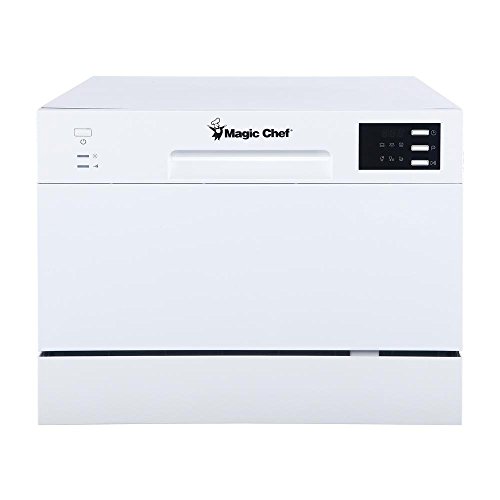
How to Choose the Right Compact Dishwashers
Choosing the right compact dishwasher depends on installation style, place setting capacity, water hookup, and feature priorities—trade-offs that shift based on your kitchen layout, household size, and budget. A feature that’s perfect for a renter in a studio apartment may be totally wrong for a family or a custom kitchen. Our recommendation engine evaluates your specific needs across five dimensions and matches you to the right compact dishwasher in under 60 seconds.
About this guide
Compact Dishwashers
The Real Buying Challenge: Space, Specs, and Price Tiers
Choosing a compact dishwasher in 2026 is trickier than it looks. The category spans countertop units like the Danby DDW631SDB, which fit 6 place settings and start around $350, up to slim 18-inch built-ins from Bosch or SPT that cost over $1,000 and offer features like stainless steel tubs and ultra-quiet operation (as low as 44 dBA). Most buyers underestimate how much capacity they actually need—countertop models are great for singles or couples, but struggle with pots or family-sized loads. Portable freestanding units offer more flexibility but can be noisy in small apartments, and require a faucet hookup that not every kitchen supports. Built-in 18-inch models demand permanent plumbing and installation, which isn’t feasible for renters. Energy use and drying performance are all over the map: Energy Star models sip just 2–4 gallons per cycle and save thousands of gallons over their lifetime, but cheaper units may leave plastics damp and draw more water. Unique formats like drawer dishwashers or in-sink combos add even more complexity. Most buyers get tripped up by not matching their real dishwashing habits to the right format, or by ignoring installation and hookup constraints until too late.
What Separates the Options: Real Differentiators That Matter
Not all compact dishwashers are created equal, and the differences go way beyond size. Brands like Bosch and Miele lead in reliability, quietness, and drying thanks to stainless steel tubs and advanced drying systems—skip plastic tubs if you want dry plastics or quieter cycles. Danby and RCA countertop models are praised for easy setup and energy efficiency, but their baskets can stick and they rarely handle large pots. Drawer-style dishwashers from Fisher & Paykel cost more but offer flexible loading and are ideal for built-in cabinetry. Don’t be fooled by WiFi or 'smart' features unless you genuinely want app control—soil sensors and half-load cycles are more valuable for everyday use and water savings. Prioritize place setting capacity and water hookup type over flashy controls. Stainless steel tubs matter more for drying and longevity than for noise; Consumer Reports’ lab tests show little noise difference between tub materials, but a big gap in drying performance. If you’re on a tight budget, focus on Energy Star certification and faucet compatibility—avoid units that require permanent plumbing unless you own your space.
Decision Factors and How to Choose the Right Model
Capacity, installation style, and water hookup are deeply intertwined—your kitchen layout and household size will narrow your choices fast. For example, a studio apartment with limited counter space and no plumbing access steers you toward a tank-based countertop model, while a family of four in a condo with under-counter space might justify the cost and installation of an 18-inch built-in. Budget is a real constraint: $300–$500 gets you a solid countertop or portable unit (think Danby or RCA), while $900–$1,100 unlocks Bosch’s quiet, efficient built-ins. Drying performance and noise matter most in open-concept or shared spaces, but are less critical in a closed-off kitchen. The quiz evaluates your space, hookup, and feature priorities in seconds, but you should also measure your available space precisely and consider how often you’ll run full loads. Don’t overpay for drawer or in-sink combos unless you truly need the integration. Finally, remember that reliability and ease of use—like smooth-gliding baskets and intuitive controls—make a bigger difference in daily life than any app or extra wash cycle.
Buyer's guide
How to choose
1Core Performance Criteria
- Look for Energy Star certification to ensure your compact dishwasher uses less than 4 gallons of water per cycle and saves on utility bills.
- Stainless steel tubs, found in Bosch and Miele, significantly improve drying performance and resist odors better than plastic alternatives.
- Noise levels under 50 dBA are ideal for open-plan apartments; Bosch’s 44 dBA models are among the quietest in 2026.
- Half-load and eco cycles reduce water and energy for small households, making them a must-have for singles or couples.
- Adjustable racks and fold-down tines let you fit larger pots or awkward items, especially in drawer or 18-inch built-in models.
- Soil sensors, available in mid- to high-end models, optimize wash time and water use for variable loads, boosting efficiency.
2Build Quality and Durability
- Stainless steel interiors, as seen in Bosch and premium Danby units, last longer and resist staining better than plastic tubs.
- Look for models with smooth-gliding racks; sticky baskets are a frequent complaint on budget countertop dishwashers like RCA.
- Electronic touchpads or rubberized controls are easier to clean and less prone to grime buildup than basic push-button panels.
- Check for robust door hinges and latches, especially on portable and drawer-style units, to avoid leaks and premature wear.
- Brands like Bosch and Miele consistently score highest for reliability and longevity in lab and owner surveys.
- Avoid ultra-cheap models with thin plastic shells—they’re prone to cracking and rarely last beyond three years of regular use.
3Value Analysis
- Countertop models like Danby and RCA offer the best value under $400, balancing performance, portability, and efficiency for renters.
- Mid-range 18-inch built-ins from Bosch ($900–$1,100) deliver quiet operation, better drying, and long-term water savings—ideal for frequent users.
- Premium drawer dishwashers from Fisher & Paykel, costing $1,200+, are only worth it for custom kitchens or daily heavy use.
- Energy Star models can save up to 5,800 gallons of water over their lifespan compared to hand washing, offsetting higher upfront costs.
- Avoid paying extra for WiFi or app features unless you’ll actually use them; basic models clean just as well for less.
- Budget units under $300 often sacrifice build quality and drying—spend a little more for reliability and lower long-term costs.
4Use-Case Fit
- Countertop models are perfect for singles, couples, or renters with limited space and no permanent plumbing access.
- Portable freestanding units suit shared apartments, rolling up to sinks and storing away when not in use—just check faucet compatibility.
- 18-inch built-ins are ideal for families or those wanting a permanent, seamless look with higher capacity and better drying.
- Drawer-style dishwashers work best for custom kitchens needing flexible loading and integration, but they’re overkill for most small households.
- Tank-based models are essential for RVs, mobile homes, or kitchens without a faucet hookup—just remember to refill the tank each cycle.
- If you routinely wash pots or bakeware, prioritize models with adjustable racks and a third rack for utensils or lids.
5Common Mistakes to Avoid
- Don’t assume all countertop dishwashers fit every kitchen—measure your space and check for required drain and faucet access.
- Skipping stainless steel tubs to save money often leads to frustration with damp plastics and lingering odors over time.
- Overlooking noise levels can make a portable or countertop unit unbearable in a studio or open-plan apartment.
- Ignoring water hookup requirements leads to installation headaches—know if you need a tank, faucet, or permanent plumbing.
- Paying extra for 'smart' features rarely adds value unless you truly want remote control or notifications.
- Neglecting to test half-load and eco cycles misses out on water and energy savings for small, frequent loads.
6Maintenance and Longevity
- Clean filters and spray arms monthly to prevent clogs and maintain peak cleaning power, especially in hard water areas.
- Run a dishwasher cleaner tablet every 30 cycles to avoid mineral buildup and keep internal components functioning smoothly.
- Check and replace door gaskets annually to prevent leaks, especially on portable and drawer-style models.
- Avoid slamming racks—sticky baskets are a leading cause of premature wear in budget countertop units.
- Use rinse aid regularly to improve drying and prevent spotting, particularly in models without heated drying.
- Register your dishwasher for warranty coverage; Bosch and Miele offer robust support, but budget brands may require extra diligence.
FAQ
Frequently asked questions
Is a stainless steel tub worth paying extra for in a compact dishwasher?
Absolutely—stainless steel tubs, found in Bosch and some Danby models, significantly improve drying performance and resist odors better than plastic tubs. They also last longer and are less prone to staining or cracking, which means fewer headaches over the years. While you’ll pay $100–$300 more upfront, the long-term benefits in drying, durability, and quieter operation make this upgrade worthwhile, especially if you use your dishwasher daily or care about spotless results on plastics and glassware.
How does Danby compare to Bosch for compact dishwashers?
Danby excels in countertop models, offering strong cleaning, Energy Star efficiency, and easy setup for $350–$450. They’re ideal for renters or those with limited space. Bosch leads the 18-inch built-in segment, with ultra-quiet operation (as low as 44 dBA), stainless steel tubs, and superior drying. Bosch models cost more ($900–$1,100) but deliver better reliability and long-term value. Choose Danby for portability and budget; opt for Bosch if you want quiet, built-in performance and premium drying.
What capacity do I need for a small family in a compact dishwasher?
For a small family, look for a compact dishwasher with at least 6–8 place settings. Countertop models like the Danby DDW631SDB fit 6, but you may need to run multiple loads for larger meals. An 18-inch built-in, such as the Bosch SPX68U55UC, handles 8–10 place settings and offers more flexibility for pots and pans. If you cook often or entertain, prioritize a model with adjustable racks or a third rack to maximize usable space and avoid constant reloading.
Are WiFi and smart features actually useful on compact dishwashers?
For most people, WiFi and smart features are unnecessary on compact dishwashers. While some 2026 models offer app control, cycle notifications, or voice integration, these rarely improve cleaning or efficiency. Instead, focus on core features like soil sensors, half-load cycles, and Energy Star certification. Unless you specifically want to monitor cycles remotely or integrate with a smart home system, you’ll get better value by skipping these extras and investing in better build quality or drying performance.
How much quieter are premium compact dishwashers compared to budget models?
Premium compact dishwashers like the Bosch 800 Series operate at 44 dBA—quiet enough to run during a dinner party without disruption. Budget countertop models, such as RCA or Magic Chef, often exceed 52–55 dBA, which can be distracting in small or open-plan apartments. If noise is a concern, especially in shared spaces or studios, it’s worth paying extra for a model rated under 50 dBA. The difference is immediately noticeable and makes a big impact on day-to-day comfort.
Can I use a compact dishwasher in an RV or mobile home?
Yes, but you’ll need to choose a model with a built-in water tank or one that’s compatible with your RV’s plumbing. Tank-based countertop dishwashers are ideal for RVs and mobile homes since they don’t require a faucet hookup. Just remember to refill the tank for each cycle and ensure you have a suitable drain. Compact units are also lightweight and easy to store, making them a popular choice for travel or seasonal use.
What maintenance is required to keep a compact dishwasher running well?
Regular maintenance is key for longevity and performance. Clean the filter and spray arms monthly to prevent clogs and odors. Run a dishwasher cleaner tablet every 30 cycles to remove mineral buildup, especially in hard water areas. Check door seals for wear and replace as needed to prevent leaks. Always use rinse aid to improve drying, and avoid overloading racks to reduce strain on moving parts. Following these steps ensures your compact dishwasher stays efficient and reliable for years.
Related reading
Best Compact Dishwashers By Category
Compare Compact Dishwashers
Related Guides
Air Fryers
Matched to your kitchen space, batch size, cooking style, and must-have features—get an air fryer that truly fits your needs.
Bar Tools
Skill level, tool type, finish, budget, and how you’ll use your bar tools—get matched to the right set for your home bar.
Beginner Espresso Machines
Skill level, hands-on control, milk frothing, and kitchen space—get matched to the perfect beginner espresso machine for your daily ritual.
Best Bread Machines for Home Bakers
Loaf size, bread style, add-ins, and control—get matched to the bread machine that fits your kitchen and baking goals.
Breakfast Cookware
Matches your breakfast routine, kitchen setup, budget, and health priorities to the perfect pan, griddle, or appliance.