Skip the research trap. Get your media cabinets in 60 seconds.
We scored 400+ media cabinets across 5 dimensions — answer 5 quick questions and we'll match you to YOUR best pick.
Powered by DecisionScore™
Each product is evaluated across 18 weighted criteria — covering performance, value, build quality, and real-world usability. Your quiz answers re-weight the criteria to match what matters most to you, so two people can get different #1 picks from the same data.
See the DecisionScore methodology →- 70-inch wide mocha brown finish
- Mid-century modern with straight tapered legs
- Storage cabinets with adjustable shelves
Find your perfect media cabinets
5 quick questions. No quiz-takes-10-minutes trap. A personalized match from 38 scored picks — with clear reasoning for every recommendation.
What is the maximum TV size the stand can accommodate?
The maximum TV size a stand can accommodate is crucial for ensuring your TV fits securely and aesthetically. Choosing a stand that matches your TV size prevents overhang and potential instability.
- Measure your TV’s base, not just the screen diagonal, to ensure it fits securely on the cabinet.
- Check the cabinet’s maximum weight rating—large TVs can exceed 80 pounds and need extra support.
- Allow at least 2 inches of extra width on each side for stability and aesthetics.
As an Amazon Associate and affiliate partner we earn from qualifying purchases. Links on this page may earn us a commission at no extra cost to you. Full disclosure
Not ready for the quiz? Here are our overall top picks
These are our top-rated picks overall. For a recommendation matched to YOUR specific needs,
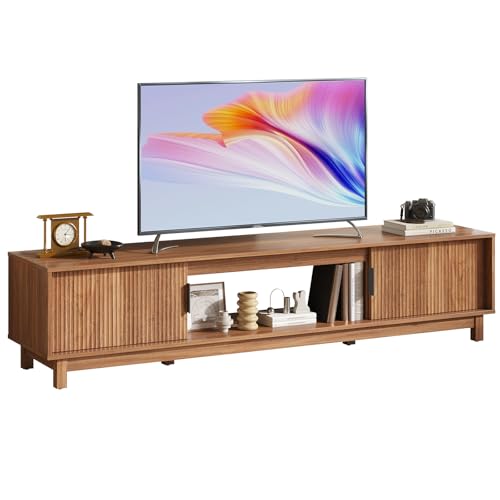
DUMOS 70" Mid Century Modern TV Stand, Mocha Brown Wood Entertainment Center
70-inch wide mocha brown finish
View Today's Price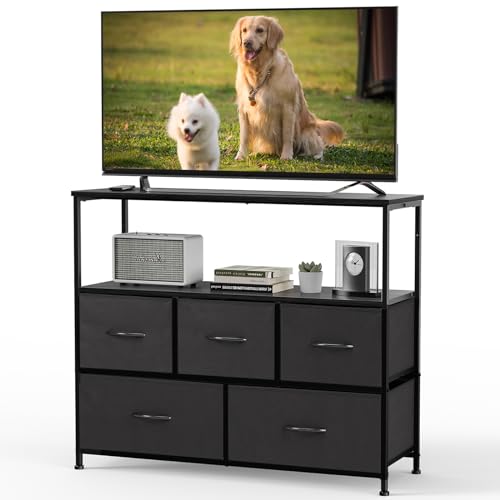
DUMOS TV Stand, Dresser with 5 Fabric Storage Drawers, Media Console Featuring
5 fabric storage drawers for bedroom storage
View Today's Price
KISLOT Rattan TV Stand for TVs up to 75'' Boho Entertainment Center with
Vintage rustic brown with bottom mesh shelf
View Today's PriceHow to Choose the Right Media Cabinets
Choosing the right media cabinet depends on TV size, storage needs, décor style, width, and budget—factors that interact in surprising ways. A cabinet perfect for a 75" TV in a modern loft is totally wrong for a small farmhouse living room or a tight budget. Generic top-10 lists can’t account for these trade-offs, but our recommendation engine analyzes your unique requirements across five dimensions and matches you to the best-fit media cabinet in under 60 seconds.
About this guide
Media Cabinets
Why Media Cabinet Shopping Is Trickier Than It Looks
Choosing the right media cabinets in 2026 is more complicated than most people expect. The sheer variety of media cabinets—mid-century modern consoles with slatted doors, rustic farmhouse stands with barn doors, and tech-forward units with LED lighting—means you’re not just picking a piece of furniture, but making a decision that impacts storage, style, and daily usability. Price tiers matter: budget media cabinets ($100–$150) often use engineered wood and basic hardware, while mid-range media cabinets ($150–$300) unlock better finishes, cable management, and sturdier builds. Premium media cabinets ($300–$400) introduce solid wood, soft-close doors, and extras like built-in power strips. Many buyers underestimate the importance of TV size compatibility: most 65"–75" TVs need media cabinets at least 58" wide, yet it’s easy to buy too small and end up with a wobbly setup. Overlooking adjustable shelves or cable cutouts in media cabinets can make your gaming consoles and AV receivers a nightmare to organize. Most people focus on looks, but ignore weight capacity and storage layout in their media cabinets—leading to regret when their gear doesn’t fit, or the cabinet sags under a heavy TV.
What Actually Sets Media Cabinets Apart in 2026
The real differentiators among leading media cabinets are construction quality, storage flexibility, and style-defining features. Brands like Walker Edison, VASAGLE, and Sauder consistently deliver reliable engineered wood media cabinets, but only some models offer solid wood tops or reinforced shelves that truly handle 75"+ TVs. Adjustable shelving is a must if you want to swap out game consoles or AV receivers—skip fixed-shelf media cabinets unless you never change your setup. Cable management cutouts are non-negotiable for anyone with more than a soundbar, so prioritize media cabinets with smart cable solutions. Door styles make a bigger difference than you’d think: sliding barn doors (OKD, WAMPAT) are great for hiding clutter in media cabinets, but can block access to shelves; glass doors (Baxton Studio) keep remotes working but show every tangle of wires inside your media cabinets. Modern media cabinets with built-in LED lighting or power strips (Bestier, YESHOMY) add real convenience for multimedia rooms, but aren’t worth the premium if you just want clean lines. Don’t get distracted by flashy features—weight capacity and shelf adjustability in media cabinets matter more than color-changing lights for most buyers.
How to Weigh Your Needs: Decision Factors That Matter
The interplay between TV size, room style, storage needs, and budget drives the right choice of media cabinets. A 75" TV in a small room demands a wide, low-profile media cabinet—too narrow and your setup looks awkward, too deep and it eats up precious space. Décor style isn’t just about looks; farmhouse media cabinets with sliding barn doors (OKD, WAMPAT) hide clutter but may limit access, while mid-century modern media cabinets (Walker Edison, Baxton Studio) blend better in transitional or minimalist spaces. Storage type is a real trade-off: closed media cabinets reduce dust and hide mess, but open shelving in media cabinets offers easy access for daily-used devices. Budget sets hard limits—under $150 means basic engineered wood media cabinets and fewer features, while $300+ brings soft-close doors, solid wood accents, and built-in power to your media cabinets. Our quiz considers your TV size, style, storage preferences, width, and budget to pinpoint the best media cabinets for your needs. Always measure your space and check weight ratings on media cabinets before falling for a design—an inch too short or a shelf too weak can ruin your setup.
Buyer's guide
How to choose
1Core Performance Criteria
- Always match the cabinet’s rated TV size to your display—most 65"–75" TVs require a stand at least 58 inches wide for proper support.
- Check weight capacity: a 75" TV can exceed 90 lbs, so look for reinforced tops or solid wood construction, especially in premium models.
- Adjustable shelves are essential if you plan to store AV receivers, gaming consoles, or large speakers—fixed shelves often limit flexibility.
- Cable management cutouts are a must for hiding wires and preventing overheating, especially if you use multiple devices or a soundbar.
- Look for cabinets with ventilation slots or open backs if you run high-powered electronics to avoid heat buildup and equipment failure.
- Door type impacts usability: sliding barn doors can block access, while glass or soft-close hinged doors offer better visibility and convenience.
2Build Quality and Durability
- Engineered wood is standard in budget and mid-range units, but only premium cabinets ($300+) reliably use solid wood or metal reinforcements.
- Brands like Walker Edison and Sauder have a reputation for consistent quality control and robust hardware, reducing long-term wobble and sag.
- Check for metal support legs or center braces in cabinets over 60 inches wide—these prevent bowing under heavy TVs or crowded shelves.
- Soft-close hinges and smooth drawer slides are common in premium models and extend the life of doors and drawers with frequent use.
- Avoid units with thin back panels or plastic connectors, as these are prone to flexing and can compromise stability over time.
- Read reviews for reports of assembly issues—some brands include better instructions and hardware, making setup smoother and more secure.
3Value Analysis
- Budget cabinets ($100–$150) offer basic storage and style, but expect engineered wood and minimal hardware—great for renters or short-term setups.
- Mid-range units ($150–$300) add features like adjustable shelves, cable cutouts, and better finishes, striking the best balance for most buyers.
- Premium models ($300–$400) justify the price with solid wood accents, soft-close doors, and extras like built-in power strips or LED lighting.
- Don’t overpay for features you won’t use—LED lighting and USB ports are fun, but not essential for most living rooms.
- Check for included wall anchors or anti-tip hardware, which add value by improving safety, especially in homes with kids or pets.
- Consider resale value: recognized brands like Walker Edison or Sauder hold up better and are easier to sell if you upgrade later.
4Use-Case Fit
- Large rooms with 75"+ TVs need extra-wide cabinets (70+ inches) to avoid a top-heavy look and provide stable support.
- For home theaters, prioritize cabinets with enclosed storage and cable management to hide AV receivers, streaming boxes, and speaker wires.
- If you frequently swap gaming consoles, opt for open shelving or adjustable interiors—closed cabinets can make access frustrating.
- Modern décor benefits from sleek lines and integrated LED lighting, while farmhouse or rustic spaces look best with barn doors and wood finishes.
- Apartments or small spaces do well with compact (under 48") units that maximize storage without overwhelming the room.
- Choose glass doors if you use remote controls often, as they allow signals to pass through while keeping dust off your devices.
5Common Mistakes to Avoid
- Buying a cabinet too narrow for your TV is the number one regret—always check both width and weight capacity before purchasing.
- Ignoring shelf adjustability leads to headaches when your AV receiver or gaming console doesn’t fit behind a fixed divider.
- Overlooking cable management means visible wires and messy setups—never settle for a cabinet without rear cutouts or slots.
- Choosing style over function can backfire; barn doors look great but may block shelves you use daily.
- Underestimating assembly complexity can turn a weekend project into a nightmare—read reviews for real-world assembly times and hardware quality.
- Assuming all engineered wood is equal is a mistake; higher-end units use thicker panels and better finishes that resist chipping and sagging.
6Maintenance and Longevity
- Dust closed cabinets regularly to prevent buildup inside, especially if you store electronics that generate heat or attract lint.
- Wipe down surfaces with a damp, non-abrasive cloth—avoid harsh cleaners that can strip finishes or damage engineered wood.
- Check and tighten hardware every six months, as screws and bolts can loosen over time, especially in high-traffic households.
- Protect solid wood tops from drink rings and scratches with coasters or mats, particularly on premium cabinets with natural finishes.
- Replace worn-out shelf pins or hinges promptly to prevent sagging doors or shelves, which can compromise the cabinet’s structure.
- If moving, disassemble large cabinets to avoid stress fractures—engineered wood is especially prone to splitting if handled roughly.
FAQ
Frequently asked questions
Is it worth paying extra for a media cabinet with built-in LED lighting or power outlets?
Paying extra for LED lighting or built-in power outlets makes sense if you want a true multimedia experience or plan to charge devices nearby. Brands like Bestier and YESHOMY include these features in their premium models, typically in the $300–$400 range. However, if your setup is simple or you prefer a minimalist look, these add-ons can be unnecessary. For most living rooms, adjustable shelves and solid build quality matter more than lighting effects or USB ports.
How does Walker Edison compare to Sauder for media cabinets?
Walker Edison and Sauder both offer reliable engineered wood media cabinets, but Walker Edison stands out for its modern designs and wide range of sizes, including units for TVs up to 80 inches. Sauder is known for its consistent build quality and straightforward assembly. If you want more style options or larger cabinets, Walker Edison is a strong pick. For classic looks and proven durability, Sauder is hard to beat—especially in the $150–$300 price range.
What width media cabinet do I need for a 75-inch TV?
For a 75-inch TV, choose a media cabinet at least 70 inches wide to ensure proper support and a balanced appearance. Many top-rated models, such as those from Walker Edison and OKD, are specifically designed for large screens and offer reinforced tops to handle the extra weight. Avoid cabinets under 60 inches wide, as they can look awkward and may not safely support your TV’s base or weight.
Are sliding barn doors practical for daily use?
Sliding barn doors, found on brands like OKD and WAMPAT, are stylish and great for hiding clutter, but they can block access to shelves or devices you use frequently. If you need to swap out gaming consoles or access AV receivers often, consider a cabinet with hinged doors or a mix of open and closed storage. Barn doors work best when you want to conceal items you rarely use, not gear you access daily.
Do I need a media cabinet with adjustable shelves?
Adjustable shelves are essential if you have gaming consoles, AV receivers, or plan to change your setup over time. Fixed shelves can limit what you can store, especially with larger electronics. Brands like VASAGLE and Bestier often include adjustable interiors, making it easier to customize storage. If your devices vary in size or you want future flexibility, always choose a cabinet with adjustable shelving.
What’s the difference between engineered wood and solid wood in media cabinets?
Engineered wood is standard in budget and mid-range cabinets ($100–$300), offering affordability and lighter weight. Solid wood, found in premium models ($300–$400), provides superior strength, durability, and a more upscale look. Solid wood tops and reinforcements are especially important for supporting heavy TVs (65"+). If you want long-term durability and a premium feel, solid wood is worth the investment, but engineered wood is perfectly fine for most everyday setups.
Which brands are most reliable for media cabinets under $300?
Walker Edison, Sauder, VASAGLE, and WAMPAT consistently receive strong reviews for media cabinets in the $150–$300 range. Walker Edison offers the widest style selection and sizes, while Sauder is praised for build quality and easy assembly. VASAGLE and WAMPAT deliver good value with adjustable shelving and cable management. Avoid no-name brands with sparse reviews, as quality and support can be inconsistent below $150.
Best Media Cabinets By Category
Compare Media Cabinets
Related Guides
AV Receivers
Room size, speaker setup, streaming features, and gaming needs—get matched to the right AV receiver for your home theater.
Home Theater Speaker Packages
Room size, audio priorities, and setup style—get matched to the right soundbar or speaker system for your home theater.
Blu-ray Players
Resolution, HDR, audio, streaming, and disc region—matched to your TV, sound system, and movie collection in seconds.
Budget Home Theater Systems
Room size, surround immersion, and setup style—get matched to the right budget home theater system for your space and habits.
Build the Ultimate Home Bar: Carts, Glassware, Tools & Storage
Entertaining style, storage needs, and drink preferences—get matched to the right bar cart, glassware, tools, and storage for your home.