Skip the research trap. Get your chef knives in 60 seconds.
We scored 250+ chef knives across 5 dimensions — answer 5 quick questions and we'll match you to YOUR best pick.
Powered by DecisionScore™
Each product is evaluated across 18 weighted criteria — covering performance, value, build quality, and real-world usability. Your quiz answers re-weight the criteria to match what matters most to you, so two people can get different #1 picks from the same data.
See the DecisionScore methodology →- 3-knife set: 8-inch chef, 10-inch chef, 6-inch boning knife
- German high-carbon stainless steel, rust and corrosion resistant
- 14–16° hand-polished edge per side
Find your perfect chef knives
5 quick questions. No quiz-takes-10-minutes trap. A personalized match from 21 scored picks — with clear reasoning for every recommendation.
What type of knife set are you looking for?
Knife sets can vary from single knives to comprehensive sets with multiple pieces. A larger set might be ideal for a well-equipped kitchen, while a single knife could suffice for minimalists.
- A single chef knife covers 70% of kitchen tasks for most home cooks.
- Small sets can be a good value if you use paring or utility knives regularly.
- Large sets often include knives you’ll rarely use—prioritize quality over quantity.
As an Amazon Associate and affiliate partner we earn from qualifying purchases. Links on this page may earn us a commission at no extra cost to you. Full disclosure
Not ready for the quiz? Here are our overall top picks
These are our top-rated picks overall. For a recommendation matched to YOUR specific needs,
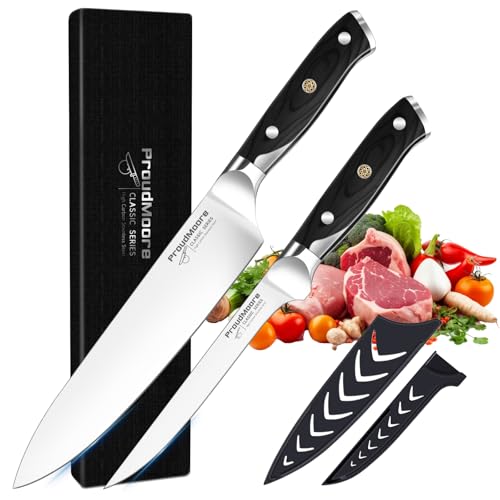
ProudMoore 2 Pack Kitchen Knives Set, 8" Chef Knife & 6" Boning Knife, High
3-knife set: 8-inch chef, 10-inch chef, 6-inch boning knife
View Today's Price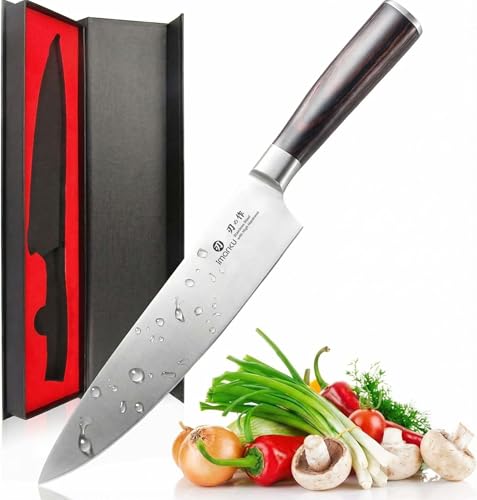
imarku Chef Knife 8 inch, High-Carbon Stainless Steel Pro Kitchen Knife with
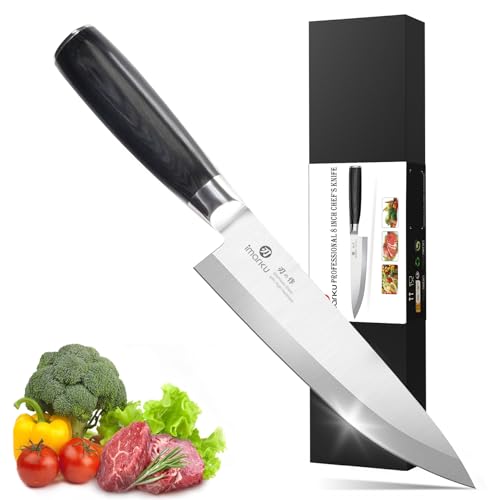
imarku Chef Knife 8-Inch Pro Japanese Kitchen Knife High-Carbon Stainless Steel
7Cr17MOV German high-carbon stainless steel
View Today's PriceHow to Choose the Right Chef Knives
Choosing the right chef knife depends on how often you cook, your sharpening habits, hand size, and budget—factors that interact in surprising ways. A knife perfect for daily prep may be wrong for occasional cooks, and flashy features often distract from real-world performance. Our recommendation engine evaluates your specific needs across 14 dimensions and matches you to the ideal chef knife in under 60 seconds.
About this guide
Chef Knives
Why Choosing Chef Knives in 2026 Is Trickier Than It Looks
Picking the right chef knives isn’t just about grabbing the sharpest blade on the shelf. The 8-inch chef knife remains the gold standard for home cooks, but the trade-offs between different chef knives’ blade materials and construction are real. German high-carbon stainless steel, like X50CrMoV15, offers a forgiving balance of durability and easy home sharpening for chef knives, while Japanese steels deliver a sharper edge but require more skill to maintain chef knives properly. The price gap among chef knives is significant: $20 stamped chef knives dull within weeks, while $150 Mac or Tojiro chef knives keep their edge for months but chip more easily if misused. Most buyers focus on initial sharpness in chef knives and ignore edge retention, which is a mistake if you cook daily. Handle material in chef knives also matters—Fibrox and Santoprene are grippy and affordable, but Pakkawood and Micarta chef knives feel premium and cost more. Many shoppers get lured by full-tang marketing in chef knives, but expert tests show that stamped half-tang chef knives like Mercer Millennia can outperform pricier forged chef knives in real kitchen abuse. Don’t let a flashy Damascus pattern or low price distract you from the chef knives specs that actually impact daily use.
What Actually Separates Chef Knives: Specs, Brands, and Real Performance
The key differentiators in chef knives are blade steel, edge geometry, and handle ergonomics—not just brand reputation or country of origin. German chef knives (think Victorinox, Mercer) use X50CrMoV15 steel for a 56–58 HRC hardness, balancing toughness and easy maintenance in chef knives. Japanese gyuto chef knives (like Tojiro DP, Mac MTH-80) push sharper 15° edges and VG-10 steel, excelling at precision slicing but requiring more careful handling to avoid chipping chef knives. Skip ceramic chef knives unless you want to replace your knife every year—brittleness is a real issue, and even the best ceramic chef knives can’t match the versatility of steel. Handle comfort in chef knives is make-or-break: Santoprene and Fibrox grips on Mercer and Victorinox chef knives are top picks for wet or long prep sessions, while Pakkawood or Micarta chef knives feel warmer but can get slippery. Don’t get hung up on full-tang construction in chef knives unless you’re a heavy chopper; stamped chef knives pass the same torque and drop tests as forged chef knives for 30% less cost. If you’re on a budget, prioritize edge retention and grip in chef knives over flashy extras. For most, the $40–$80 range from brands like Mercer and Victorinox delivers 90% of the performance of $150 Japanese chef knives.
How to Choose: Decision Factors That Actually Matter
Your best chef knives aren’t just about specs—how you cook, your hand size, and how often you sharpen chef knives all interact to shape the right choice. Daily cooks should focus on edge retention and ergonomic handles in chef knives, while occasional users might prioritize initial sharpness or a lighter feel in chef knives. Smaller hands may find an 8-inch chef knife unwieldy, so consider a 7-inch or even a lighter stamped chef knife. If your budget is tight, skip premium handle materials and look for a full-tang or well-balanced stamped chef knife in the $40–$60 range. If you want a set, remember most people use chef knives 70% of the time; don’t pay extra for a block of chef knives you’ll rarely touch. Our quiz evaluates your cooking frequency, grip preferences, budget, and style to match you to chef knives that fit your real-world needs. Ultimately, think about how blade material, handle comfort, and your sharpening habits work together—there’s no single “best” chef knife, just the right fit for your kitchen and your hands.
Buyer's guide
How to choose
1Core Performance Criteria
- Look for high-carbon stainless steel like X50CrMoV15 or VG-10 for a balance of sharpness and easy maintenance in daily use.
- A blade hardness of 56–58 HRC (Victorinox, Mercer) offers durability without being too brittle for home cooks.
- Japanese gyuto knives with 15° edges slice cleaner but chip more easily if you cut through bones or hard squash.
- Edge retention is key—budget stamped knives under $30 dull quickly, while Mac and Tojiro models hold their edge for months.
- Check the blade thickness: thinner blades (2mm or less) excel at precision but can flex or chip under heavy use.
- Prioritize a chef knife that feels balanced in your hand—unbalanced knives cause wrist fatigue during long prep sessions.
2Build Quality and Durability
- Forged full-tang construction lasts longer, but stamped half-tang knives like Mercer Millennia pass 500lb torque tests just as well.
- Avoid ceramic blades for durability—expert tests show they chip or break 2–3x faster than steel when dropped or twisted.
- Look for corrosion-resistant steels; budget carbon steel knives rust quickly if left wet, especially after cutting acidic foods.
- Pakkawood and Micarta handles feel premium but may swell or crack if left in water—Santoprene and Fibrox resist this.
- Check for a secure handle-to-blade fit; loose or gapped handles are a common failure point in sub-$30 knives.
- Brands like Victorinox and Mercer offer NSF-certified models, indicating higher durability and safety standards for kitchen use.
3Value Analysis
- The sweet spot for chef knives in 2026 is $40–$80, where you get reliable sharpness, good edge retention, and solid grip.
- Mercer Millennia and Victorinox Fibrox Pro outperform many $150+ rivals in home tests for edge retention and wet grip.
- Avoid knives under $25 unless you’re willing to sharpen weekly—edge loss and rust are common complaints at this tier.
- Premium Japanese models like Mac MTH-80 justify their $150 price only if you value ultra-fine slicing and 3x edge lifespan.
- Knife sets like HENCKELS Statement 3-piece offer better value per knife than singles if you actually use all included pieces.
- Recycled steel models are on the rise for eco-conscious buyers, but expect a 5% price premium over standard stainless options.
4Use-Case Fit
- Daily cooks should prioritize edge retention and ergonomic handles to minimize fatigue and maintenance over time.
- If you mostly prep vegetables, a lighter Japanese-style gyuto with a 15° edge will make slicing effortless.
- For heavy-duty tasks like breaking down chicken, a German-style 8-inch chef knife with a thicker spine is more robust.
- Small hands may find 7-inch blades or lighter stamped knives easier to control than the standard 8-inch options.
- If you want a set, ensure you’ll actually use the paring and utility knives—most home cooks only use the chef knife regularly.
- Travel or camping cooks should pick corrosion-resistant stainless steel and a protective blade guard for safety and longevity.
5Common Mistakes to Avoid
- Don’t buy based on initial sharpness alone—edge retention matters more if you cook several times a week.
- Skipping handle comfort leads to wrist fatigue; always test pinch grip fit before committing to a knife.
- Full-tang marketing is overrated for most home cooks—Mercer’s stamped half-tang knives perform just as well for less.
- Avoid ceramic blades if you want a versatile workhorse; they chip and break easily with hard foods or drops.
- Buying large knife sets seems like a deal, but most people underuse extra knives—start with a single chef knife.
- Neglecting regular honing and sharpening will halve your knife’s lifespan, no matter how much you spend up front.
6Maintenance and Longevity
- Hone your chef knife weekly with a ceramic rod to maintain edge alignment and reduce the need for frequent sharpening.
- Sharpen every six months if you cook daily; Japanese knives require a 15° angle, while German styles use 20°.
- Never put chef knives in the dishwasher—hand wash and dry immediately to prevent rust and handle damage.
- Store knives in a block or on a magnetic strip to avoid edge dulling from drawer contact.
- Santoprene and Fibrox handles resist water damage and staining better than wood or composite materials.
- Budget knives may need more frequent sharpening, but proper care can extend their useful life to several years.
FAQ
Frequently asked questions
Is it worth paying extra for Japanese steel chef knives?
Japanese steel chef knives, like those made with VG-10 or AUS-10, offer sharper factory edges and excel at precision slicing. However, they require more careful handling and maintenance, as they are more prone to chipping if used on bones or hard foods. For most home cooks, a $120–$150 Japanese knife is only worth it if you value ultra-fine slicing and have the discipline to maintain a 15° edge. Otherwise, German steel options provide a more forgiving balance of toughness and ease of care.
How does Mercer compare to Victorinox for chef knives?
Mercer and Victorinox both offer outstanding value in the $40–$50 range. Mercer’s Millennia line features a nonslip Santoprene handle and 58 HRC steel, making it a top pick for wet grip and edge retention. Victorinox Fibrox Pro, Wirecutter’s perennial favorite, is slightly lighter and passes 200-lb cleaving without chipping, excelling in durability. Both brands outperform most budget knives, but Victorinox edges ahead for balance and lighter weight, while Mercer wins on grip security and price.
What blade material is best for daily home cooking?
High-carbon stainless steel, such as X50CrMoV15 (used by Mercer and Victorinox), is the best choice for most home cooks in 2026. It balances sharpness, corrosion resistance, and easy maintenance. Ceramic blades are lightweight but too brittle for daily use, and premium Japanese steels require more upkeep. Unless you’re a sharpening enthusiast, stick with high-carbon stainless for reliable performance and minimal fuss.
Are full-tang chef knives really more durable?
Full-tang chef knives are often marketed as more durable, but expert drop and torque tests show that stamped half-tang models like Mercer Millennia can withstand the same abuse as forged full-tang knives. For most home cooks, the difference is negligible in daily use. Prioritize handle comfort and blade steel over tang construction, unless you’re doing heavy-duty butchery or professional prep work.
What size chef knife is best for small hands?
For small hands, a 7-inch chef knife or a lighter stamped 8-inch model is usually easier to control and less fatiguing over long prep sessions. Mercer and Victorinox both offer lighter options, and Japanese gyuto knives are typically slimmer and more nimble. Always test the pinch grip—if the blade feels too thick or heavy, opt for a shorter or lighter style for better comfort and safety.
How often should I sharpen my chef knife?
If you cook daily, sharpen your chef knife every six months and hone it weekly to maintain peak performance. Japanese knives with 15° edges need a ceramic rod, while German styles use a 20° angle. Neglecting regular honing and sharpening will halve your knife’s lifespan, no matter how much you spend. A $40 Mercer can last years with proper care, while even a $150 Mac will dull quickly if ignored.
Are knife sets a better value than buying a single chef knife?
Knife sets like the HENCKELS Statement 3-piece can offer better value per knife if you use all included pieces. However, most home cooks only use the chef knife regularly, with paring and utility knives seeing far less action. Experts recommend starting with a single high-quality chef knife in the $40–$80 range, then adding specialty knives as needed. This approach avoids clutter and ensures you get the most from your investment.
Related reading
Best Chef Knives By Category
Related Guides
Air Fryers
Matched to your kitchen space, batch size, cooking style, and must-have features—get an air fryer that truly fits your needs.
Bar Tools
Skill level, tool type, finish, budget, and how you’ll use your bar tools—get matched to the right set for your home bar.
Beginner Espresso Machines
Skill level, hands-on control, milk frothing, and kitchen space—get matched to the perfect beginner espresso machine for your daily ritual.
Best Bread Machines for Home Bakers
Loaf size, bread style, add-ins, and control—get matched to the bread machine that fits your kitchen and baking goals.
Breakfast Cookware
Matches your breakfast routine, kitchen setup, budget, and health priorities to the perfect pan, griddle, or appliance.