Skip the research trap. Get your best chainsaws for every task in 60 seconds.
We scored 400+ best chainsaws for every task across 5 dimensions — answer 5 quick questions and we'll match you to YOUR best pick.
Powered by DecisionScore™
Each product is evaluated across 18 weighted criteria — covering performance, value, build quality, and real-world usability. Your quiz answers re-weight the criteria to match what matters most to you, so two people can get different #1 picks from the same data.
See the DecisionScore methodology →- 16‑inch bar and high‑efficiency brushless motor suit firewood and yard work
- Auto chain tensioning and automatic oiling reduce downtime
- Compact design with under‑nine‑pound weight for good balance
Find your perfect best chainsaws for every task
5 quick questions. No quiz-takes-10-minutes trap. A personalized match from 39 scored picks — with clear reasoning for every recommendation.
What will you primarily use the chainsaw for?
Different chainsaws excel at different tasks. Felling large trees requires long bars and high power. Cutting firewood is best with balanced saws. General yard work needs maneuverability. Mini saws are ideal for pruning and light trimming.
- Think about the largest diameter wood you’ll cut most often.
- Pruning and limbing need less power than firewood or storm cleanup.
- Heavy-duty tasks require longer bars and more robust motors.
As an Amazon Associate and affiliate partner we earn from qualifying purchases. Links on this page may earn us a commission at no extra cost to you. Full disclosure
Not ready for the quiz? Here are our overall top picks
These are our top-rated picks overall. For a recommendation matched to YOUR specific needs,
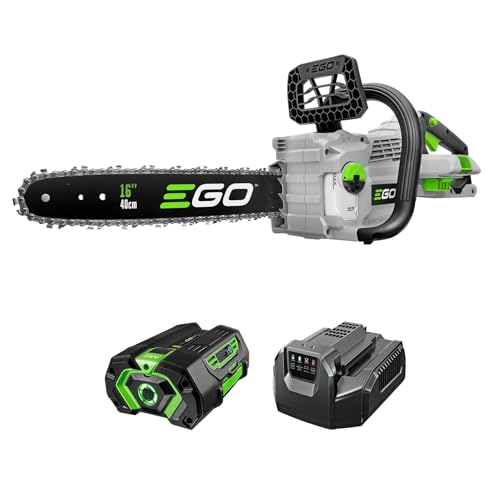
EGO POWER+ Chain Saw, 16” Battery Powered Chainsaw, Electric Cordless, Includes
16‑inch bar and high‑efficiency brushless motor suit firewood and yard work
View Today's Price
Greenworks 80V 18" Brushless Cordless Chainsaw (Great For Tree Felling, Limbing,
High‑voltage 80V system delivers torque comparable to a 45cc gas saw
View Today's Price
Makita XCU04PT1 36V (18V X2) LXT® Brushless 16" Chain Saw Kit with 4 Batteries
Dual 18V LXT batteries deliver 36V power without the weight of gas
View Today's PriceHow to Choose the Right Best Chainsaws for Every Task
Choosing the right chainsaw depends on your primary cutting tasks, preferred power source, handling needs, and safety priorities—trade-offs that shift based on your wood size, frequency of use, and battery platform. A feature that’s perfect for firewood may be unsafe or overkill for pruning, while gas power is essential for pros but a hassle for most homeowners. Our recommendation engine evaluates your specific needs across five key dimensions and matches you to the right chainsaw in under 60 seconds.
About this guide
Best Chainsaws for Every Task
Why Chainsaw Choices Are Trickier Than You Think
Buying chainsaws in 2026 isn’t just about picking gas or battery. The chainsaws market ranges from $80 corded models like the Wen 4017—great for light yard work—to $500 battery-powered beasts like the Ego platform, and $400 gas workhorses such as the Stihl MS 271 Farm Boss. Each type of chainsaw has its own trade-offs: gas chainsaws deliver brute force and endless runtime but demand fuel mixing, ear protection, and regular tune-ups. Battery chainsaws, now matching gas for most tasks, offer quieter operation and minimal upkeep, but runtime can drop below 30 minutes when cutting thick logs unless you invest in pricey spare batteries. Corded chainsaws remove battery worries but tether you to an outlet, limiting mobility. Most chainsaw buyers get tripped up by bar length—oversizing chainsaws for pruning leads to dangerous kickback, while underestimating chainsaw power for felling makes the job unsafe. Features like tool-free chain tensioning or auto-oiling sound minor, but skipping them on chainsaws means more downtime and frustration. Don’t assume price alone guarantees the right chainsaw fit; a $200 chainsaw might be perfect for a homeowner but a regret for a pro.
What Really Sets Chainsaws Apart in 2026
The key differentiators in chainsaws today aren’t just about raw power. Battery platform compatibility is huge—sticking with Ego 56V or Ryobi 40V chainsaws saves 30-50% long-term, since you can swap batteries across chainsaws and other tools. Bar length is critical: 16-inch bars are ideal for most pruning and firewood chainsaws, while 20-inch models like the Stihl MS 271 are strictly for heavy-duty chainsaw tasks. Skip oversized chainsaw bars unless you’re regularly felling large trees. Brushless motors, now standard on premium battery chainsaws, deliver longer runtimes and less maintenance. Features like auto chain tensioning and self-sharpening—found on higher-end electric and battery chainsaws—save hours of hassle, especially for new chainsaw users. Safety isn’t optional: look for chain brakes and low-kickback bars on chainsaws, especially if you’re not a pro. Don’t fall for the ‘gas is always better’ myth—Consumer Reports shows battery chainsaws now match gas chainsaws for cuts per minute on logs under 12 inches. Unless you need unlimited runtime, battery chainsaws are the smarter choice for most users.
How to Choose: Matching Specs, Budget, and Use
Choosing the right chainsaw is all about balancing your real needs against budget and ergonomics. Room size isn’t the factor—it’s the wood diameter and frequency of use that matter for chainsaws. If you’re mainly pruning or doing yard cleanup, a compact battery chainsaw like Stihl’s power pruner is less fatiguing and safer. For regular firewood or storm cleanup, a 16- to 18-inch battery or gas chainsaw hits the sweet spot for power and handling. Pros need heavy-duty gas chainsaws for all-day use, but most homeowners will regret the weight and maintenance of those chainsaws. Our quiz weighs your primary tasks, power source preference, portability needs, feature priorities, and user type to match you with the right chainsaw. Remember: battery runtime, bar length, and safety features on chainsaws interact—oversizing on any one means trade-offs in weight, cost, or convenience. Always factor in long-term costs: battery platforms and sharpening kits for chainsaws save more than chasing the lowest sticker price. Test handling chainsaws in-store if possible; what feels balanced to one person may be unwieldy to another.
Buyer's guide
How to choose
1Core Performance Criteria
- Choose a bar length matched to your task—16 inches is ideal for firewood and yard work, while 20 inches suits heavy felling only.
- Look for brushless motors in battery models like Ryobi 40V HP for longer runtime, higher torque, and less maintenance than brushed alternatives.
- Gas models such as the Stihl MS 271 excel in unlimited runtime and raw power, but require regular fuel mixing and engine maintenance.
- Battery saws in the $200–$400 range now offer 45–60 minute runtimes, matching gas for most homeowner needs without the hassle.
- Corded electric saws like the Wen 4017 are reliable for light jobs but require access to power and limit your mobility on large properties.
- Evaluate chain speed and tensioning systems—auto-tensioning and variable speed triggers improve cutting performance and safety in real-world use.
2Build Quality and Durability
- Professional-grade saws like the Stihl Farm Boss series feature rugged construction and extended warranties, built for daily, heavy-duty use.
- Battery models with magnesium or reinforced polymer housings, such as Ego and Ryobi, withstand drops and rough handling better than budget plastics.
- Look for side-access chain tensioners and large fuel/oil caps for easier maintenance, especially when wearing gloves in cold weather.
- Check for pre-separation air filtration systems on gas saws, which extend filter life and reduce engine wear over time.
- Avoid ultra-budget saws under $100, as they often have weak chain brakes and short-lived components that fail after one season.
- Inspect handle ergonomics and anti-vibration mounts—these features reduce fatigue and improve control, especially during long cutting sessions.
3Value Analysis and Price Tiers
- The current value sweet spot is $200–$400 for battery brushless models, offering pro-level performance without the maintenance costs of gas.
- Gas saws remain steady at $300–$500, but factor in $100+ annually for fuel, oil, and tune-ups if used regularly.
- Battery platform compatibility saves 30–50% over time—buying into Ego or Ryobi ecosystems means fewer spare batteries and chargers to purchase.
- Budget corded models like Wen 4017 deliver reliable performance for under $100, but lack the portability and power of pricier options.
- Watch for April discounts of 20–30% on Ego and Stihl bundles, which can make premium models more accessible for homeowners.
- Don’t be lured by low upfront prices—factor in sharpening kits, bar oil, and spare chains, which add $50–$100 annually for frequent users.
4Use-Case Fit and Ergonomics
- Mini battery saws like the Stihl power pruner are perfect for pruning and light yard work, minimizing fatigue and maximizing control.
- Homeowners cutting firewood should target 16–18 inch bars for a balance of reach and maneuverability—oversized bars increase risk and weight.
- For storm cleanup or felling large trees, only consider gas or high-end battery saws with 18–20 inch bars and robust chain brakes.
- Corded saws are best for small yards with easy power access; extension cords limit reach and can be a safety hazard on uneven ground.
- Evaluate handle design and weight distribution—balanced saws reduce wrist and shoulder strain, especially for users under 150 lbs.
- If you already own compatible batteries from Ego or Ryobi, prioritize those brands to save money and streamline charging logistics.
5Common Mistakes and Pitfalls
- Oversizing bar length for pruning tasks increases kickback risk and makes the saw harder to control—stick to 16 inches or less for most jobs.
- Ignoring battery platform compatibility leads to higher costs—mixing brands means buying extra chargers and batteries unnecessarily.
- Skipping chain maintenance results in dull blades after 50–100 cuts, causing poor performance and increased safety risks.
- Assuming gas always outperforms battery—CR tests show modern battery models match gas for logs under 12 inches in diameter.
- Neglecting safety features like chain brakes and low-kickback bars puts new users at higher risk for accidents and injuries.
- Focusing only on upfront price ignores long-term costs—budget saws often require more frequent repairs and replacement parts.
6Maintenance and Longevity
- Sharpen your chain every 40–50 cuts or after hitting dirt—dull blades cause snags, overheating, and excessive motor strain.
- Battery models require less maintenance overall, but keep spare batteries charged to avoid downtime during long cutting sessions.
- Gas saws need regular air filter cleaning, spark plug checks, and fuel stabilizer to prevent costly repairs and hard starts.
- Auto-oiling systems reduce manual upkeep, but check oil levels before every use to prevent chain damage and premature wear.
- Invest in a chain sharpening kit and learn proper technique—factory blades dull 40% faster than claimed in real-world use.
- Store your saw in a protective case and clean debris from the bar and chain after each session to extend its lifespan.
FAQ
Frequently asked questions
Is a battery-powered chainsaw worth paying extra for in 2026?
Yes, battery-powered chainsaws now match gas models for most homeowner tasks, offering 45–60 minutes of runtime and less maintenance. Brands like Ego and Ryobi deliver pro-level power, quieter operation, and easier handling. Unless you need unlimited runtime for all-day logging, battery saws are worth the premium for convenience and long-term savings.
How does the Stihl MS 271 Farm Boss compare to battery models like the Ryobi 40V HP?
The Stihl MS 271 Farm Boss excels in heavy-duty, all-day use with its 20-inch bar and robust gas engine, making it ideal for large trees and storm cleanup. The Ryobi 40V HP matches it for most homeowner tasks, offering similar cutting speed and easier handling, but with less runtime per charge. Choose Stihl for farm-scale jobs; Ryobi for general yard work.
What bar length do I need for cutting firewood and yard cleanup?
A 16- to 18-inch bar is ideal for cutting firewood and general yard cleanup, balancing reach, safety, and maneuverability. Oversized bars (20 inches or more) are only necessary for felling large trees and add unnecessary weight for most users. Stick to 16 inches for pruning and 18 inches for mixed tasks.
Are corded electric chainsaws like the Wen 4017 powerful enough for regular use?
Corded electric chainsaws such as the Wen 4017 perform reliably for light to medium tasks like pruning and small log cutting. They require access to power and limit mobility but deliver consistent performance at a low price. For frequent, heavy-duty use or large properties, consider battery or gas models instead.
How often do I need to sharpen the chain, and is a sharpening kit necessary?
Sharpen your chainsaw chain every 40–50 cuts or immediately after hitting dirt or metal. Factory blades dull faster than advertised, so investing in a sharpening kit is essential for maintaining cutting efficiency and safety. Dull chains cause snags, overheating, and increase the risk of kickback.
Does battery platform compatibility really save money over time?
Absolutely. Buying into a battery ecosystem like Ego 56V or Ryobi 40V lets you share batteries across chainsaws, mowers, and trimmers. This saves 30–50% on spare batteries and chargers over several years, making it a smarter investment than mixing brands or buying standalone tools.
What safety features should I prioritize if I’m a new chainsaw user?
Prioritize chain brakes, low-kickback bars, and variable speed triggers. These features reduce the risk of accidents and make the saw more forgiving for beginners. Brands like Stihl and Ryobi include enhanced safety features on most models, and they’re well worth the slight price premium for peace of mind.
Related reading
Best Best Chainsaws for Every Task By Category
Related Guides
Compost Tumblers
Chamber type, capacity, materials, and budget—matched to your composting style, space, and sustainability priorities.
Electric Lawn Mowers
Matched to your yard size, runtime, storage, and battery platform—find the electric mower that truly fits your mowing style.
Pressure Washers
Cleaning job type, power source, portability, and session length—get matched to the pressure washer that actually fits your needs.
Rainwater Harvesting Systems
Capacity, installation style, aesthetics, and budget—matched to your actual roof, garden, and overflow needs.