Skip the research trap. Get your bike helmets in 60 seconds.
We scored 400+ bike helmets across 5 dimensions — answer 5 quick questions and we'll match you to YOUR best pick.
Powered by DecisionScore™
Each product is evaluated across 18 weighted criteria — covering performance, value, build quality, and real-world usability. Your quiz answers re-weight the criteria to match what matters most to you, so two people can get different #1 picks from the same data.
See the DecisionScore methodology →- NTA 8776 E-Bike certified for higher speed protection
- CPSC and CE EN1078 also certified
- Adjustable dial fit retention
Find your perfect bike helmets
5 quick questions. No quiz-takes-10-minutes trap. A personalized match from 39 scored picks — with clear reasoning for every recommendation.
Who is this helmet for?
Children's helmets offer additional rear coverage and smaller fit ranges. Adult helmets have broader sizing and more style options.
- Children’s helmets offer extra rear coverage and smaller fit ranges for growing heads.
- Adult helmets provide broader sizing and more ventilation or style choices.
- Youth helmets bridge the gap—measure head circumference for the best fit.
As an Amazon Associate and affiliate partner we earn from qualifying purchases. Links on this page may earn us a commission at no extra cost to you. Full disclosure
Not ready for the quiz? Here are our overall top picks
These are our top-rated picks overall. For a recommendation matched to YOUR specific needs,
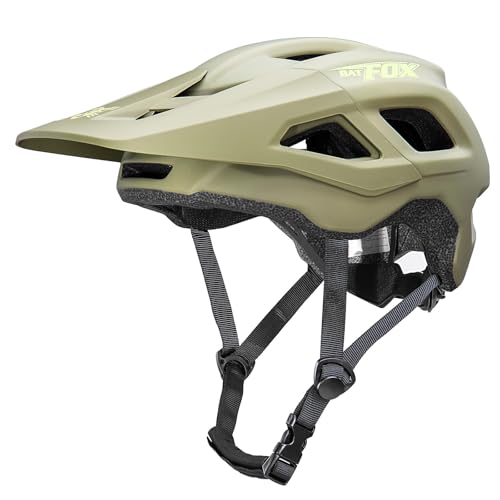
BATFOX NTA 8776 E-Bike & Mountain Bike Helmet for Adults Youth, E-MTB Cycling
NTA 8776 E-Bike certified for higher speed protection
View Today's Price
Findway Pro Bike Helmet for Adults,Adjustable Cycling Helmet for Men & Women
CPSC safety certified
View Today's Price
Odoland Adults Bike Helmet with Removable Magnetic Sun Visor, Adjustable Dial
Magnetic snap visor for quick on/off
View Today's PriceHow to Choose the Right Bike Helmets
Choosing the right bike helmet depends on how your riding style, budget, head size, and safety priorities interact—trade-offs that shift based on your commute, trail use, or child’s needs. A helmet perfect for a daily city rider may be wrong for a mountain biker or growing kid. Generic top-10 lists can’t account for fit, age, or real-world comfort. Our recommendation engine weighs your specific needs across five key dimensions and matches you to the ideal helmet in under 60 seconds.
About this guide
Bike Helmets
Why Bike Helmet Shopping Is Trickier Than It Looks
The real challenge in buying bike helmets in 2026 isn’t just picking a color or brand—it’s navigating a minefield of specs, price tiers, and trade-offs that most buyers overlook. Prices for bike helmets range from $30 for basic commuter models to $300 for high-end racing helmets, but spending more doesn’t always mean better protection. Features like MIPS technology (which adds $15–$25 but can cut rotational impact by up to 40%), CPSC or Snell certification, and extended rear coverage all impact safety and comfort in bike helmets. For kids, bike helmet sizing starts at 48cm, but a perfect fit matters more than flashy extras—a $35 MIPS helmet that fits snugly is safer than a loose $60 model. Mountain bike helmets ($80–$150) offer visors and extra back-of-head protection, while road bike helmets under 300 grams focus on airflow with 20+ vents. Many buyers make the mistake of chasing carbon fiber or unnecessary features in bike helmets, when matching helmet type to your riding style is what truly matters. Overlooking these details can mean paying too much or, worse, ending up with bike helmets that don’t protect when it counts.
What Actually Sets Bike Helmets Apart
Not all bike helmets are created equal, and the differences go far beyond looks or brand logos. The most important differentiators in bike helmets for 2026 are safety technologies like MIPS and certification labels (CPSC, Snell), not just the number of vents or the weight. For example, the LEM Boulevard and Bontrager Starvos bike helmets both excel in Consumer Reports’ crash tests thanks to their dial-fit systems and robust shell construction—features that matter far more than a removable visor or extra vents for most riders. Skip carbon fiber shells in bike helmets unless you’re a competitive racer; the price jump isn’t justified for casual or even serious recreational cyclists. MIPS is worth the extra $15–$25 for its proven reduction in rotational forces, but if you only ride short city routes, a basic CPSC-certified bike helmet still provides solid protection. Adjustable dial retention systems are a must for growing kids or anyone with a hard-to-fit head shape when shopping for bike helmets. Integrated LED lights are great for commuter bike helmets but add little value for trail or road riders. Prioritize fit, safety tech, and real-world comfort in bike helmets over marketing buzzwords or unnecessary upgrades.
How to Choose: Key Decision Factors That Interact
Selecting the right bike helmet depends on how your riding style, budget, and rider age intersect. For example, a daily commuter in a busy city should prioritize comfort, durability, and visibility—features often found in $60–$100 bike helmets with integrated LED lights and reflective elements. Mountain bikers need bike helmets in the $80–$150 range with extended coverage and a visor for trail hazards. Road cyclists benefit from lightweight bike helmets under 300 grams with superior ventilation, but shouldn’t sacrifice fit for airflow. Kids’ bike helmets must be replaced every 2–3 years due to growth; a $35 properly-fitted MIPS helmet is safer than a pricier loose one. The quiz evaluates your riding type, budget, and must-have features to pinpoint the best bike helmet fit. Beyond that, always measure head circumference, check for CPSC certification, and test the dial fit in person if possible when shopping for bike helmets. Your budget will limit which features are realistic—don’t expect MIPS or premium ventilation under $40 in most bike helmets. Remember, the best bike helmet is the one you’ll actually wear every ride, not just the one with the fanciest spec sheet.
Buyer's guide
How to choose
1Core Performance Criteria
- Prioritize helmets with CPSC or Snell certification, as these meet rigorous impact protection standards verified in 2026 crash testing.
- Look for MIPS technology if you want up to 40% better rotational impact protection—especially valuable for mountain and urban riders.
- Ventilation matters: road helmets with 20+ vents like the Bontrager Starvos keep you cool on long rides, while commuter models trade airflow for coverage.
- Adjustable dial-fit systems, found on LEM Boulevard and Bontrager Tyro, ensure a snug fit across a range of head shapes and sizes.
- Weight is critical for road cyclists—models under 300 grams reduce neck fatigue on long rides, but heavier builds are fine for casual use.
- Extended rear coverage is a must for mountain and youth helmets, protecting the back of the head from trail or playground falls.
2Build Quality and Durability
- Mid-range helmets ($50–$130) like LEM Boulevard use durable in-mold construction that resists cracks and delamination over years of use.
- Foam liners degrade invisibly after 3–5 years, so always check the manufacture date and replace helmets on schedule, not just after crashes.
- Dial retention systems should feel solid and adjust smoothly—flimsy dials or straps are a red flag for long-term reliability.
- Shell quality varies: avoid sub-$30 imports with thin plastic shells that can split on impact and lack certification.
- Removable and washable pads extend helmet life by preventing sweat buildup and odor, especially for daily commuters.
- Integrated visors should detach cleanly without breaking clips, which is especially important for mountain bike and youth helmets.
3Value Analysis and Price Tiers
- Helmets in the $60–$90 range, like the LEM Boulevard, deliver top safety scores and comfort without the diminishing returns of $150+ models.
- Budget helmets under $40 provide basic CPSC protection but often lack MIPS, dial-fit, or advanced ventilation—fine for occasional use, not daily rides.
- Premium helmets over $150 add marginal gains in weight and airflow, but for most riders, mid-tier models outperform on value and real-world comfort.
- Seasonal discounts, especially in April, can drop prices by up to 50%, making high-rated models like Bontrager Starvos more accessible.
- Skip expensive carbon fiber unless you’re racing competitively—plastic in-mold shells are just as safe for recreational and commuter riders.
- Always factor in replacement costs every 3–5 years, since even the best helmet loses effectiveness as foam degrades.
4Use-Case Fit and Sizing
- Measure your head circumference carefully—youth helmets fit 55–58 cm, while adult models offer a broader range and more style choices.
- Kids’ helmets must fit snugly and sit level, two fingers above the eyebrows, with no wobble when shaken for maximum protection.
- Mountain bikers need extended rear coverage and a visor; road cyclists should prioritize lightweight builds and superior ventilation.
- Commuter helmets benefit from integrated LED lights and reflective strips for visibility in low-light city traffic.
- Dial-fit retention systems are ideal for growing kids or anyone with a hard-to-fit head shape, offering 1–2 cm of adjustability.
- Never trust 'one-size-fits-most' claims—try on helmets in-store whenever possible, as sizing and comfort vary widely by brand.
5Common Mistakes and Pitfalls
- Many buyers skip measuring head circumference and end up with helmets that are too loose or tight, compromising safety and comfort.
- Ignoring the helmet’s manufacture date leads to using foam liners that have degraded, reducing protection even if there’s no visible damage.
- Overpaying for features like carbon fiber or extra vents that don’t match your actual riding style wastes money and adds unnecessary weight.
- Assuming all helmets are equally safe—always verify CPSC or Snell certification and avoid unlabelled imports, no matter how cheap.
- Failing to replace helmets after a crash or every 3–5 years is a major safety risk, as internal damage isn’t always visible.
- Neglecting to adjust the fit dial and straps properly can make even the best helmet unsafe in a real-world fall.
6Maintenance and Longevity
- Replace your helmet every 3–5 years, as foam liners deteriorate and lose impact absorption even without visible cracks or crashes.
- Clean removable pads regularly to prevent odor and bacteria buildup, especially for daily commuters and kids’ helmets.
- Store helmets away from direct sunlight and extreme heat, which can warp shells and accelerate foam breakdown.
- Inspect straps, dials, and buckles every few months—replace any components that show fraying, stiffness, or failure to lock securely.
- After any crash, replace the helmet immediately, even if damage isn’t visible; internal foam can be compromised by a single impact.
- Check for recalls or safety advisories from brands like Bontrager or LEM, as even top-rated models occasionally require fixes or upgrades.
FAQ
Frequently asked questions
Is MIPS technology worth paying extra for in a bike helmet?
Yes, MIPS (Multi-directional Impact Protection System) is worth the $15–$25 premium for most riders. It can reduce rotational impact forces by up to 40%, which is especially important in falls where your head twists on impact. Independent safety labs like Virginia Tech and Consumer Reports consistently rate MIPS-equipped helmets higher for real-world crash protection. For mountain bikers, commuters, and parents buying for kids, MIPS is a smart investment. If you only ride short, low-speed routes, a basic CPSC-certified helmet is still safe, but MIPS adds meaningful extra protection.
How does the LEM Boulevard compare to the Bontrager Starvos for adult riders?
Both the LEM Boulevard and Bontrager Starvos are top-rated in 2026 Consumer Reports crash tests, but they serve slightly different needs. The LEM Boulevard excels in ventilation and impact protection at a mid-range price ($80–$100), making it a great all-rounder for commuters and recreational riders. The Bontrager Starvos, priced around $100–$130, offers even better airflow and a lighter build, which road cyclists appreciate on long rides. Both feature dial-fit systems for a secure fit. Choose the LEM Boulevard for value and versatility, or the Starvos for maximum comfort on high-mileage rides.
What size helmet should I get for my child?
Measure your child’s head circumference—most youth helmets fit 55–58 cm, while toddler helmets start at 48 cm. Always choose a helmet with an adjustable dial-fit system for a snug, secure fit, and make sure it sits level, two fingers above the eyebrows. The Bontrager Tyro is a standout for youth, offering excellent fit adjustment and safety at $50–$70. Remember, a $35 properly-fitted MIPS helmet is safer than a more expensive helmet that shifts around. Replace kids’ helmets every 2–3 years as they grow or after any crash.
Are budget helmets under $40 safe for daily commuting?
Budget helmets under $40 can be safe for occasional rides if they have CPSC certification, but they often lack features like MIPS, dial-fit systems, and advanced ventilation. For daily commuting, spending $60–$100 gets you better comfort, durability, and often integrated LED lights for visibility. Sub-$30 imports may not meet safety standards and can have poor build quality. If you ride daily in city traffic, invest in a mid-range helmet for peace of mind and long-term comfort.
How often should I replace my bike helmet?
Replace your bike helmet every 3–5 years, regardless of visible damage. Foam liners degrade over time, losing their ability to absorb impacts—even if the shell looks fine. Always replace your helmet after any crash, as internal damage isn’t always visible. Check the manufacture date inside the helmet, not just your purchase date. Top brands like Bontrager and LEM recommend following this schedule for maximum safety. Don’t risk your protection by stretching a helmet’s lifespan beyond its effective years.
Do integrated LED lights really improve safety for commuters?
Integrated LED lights significantly enhance visibility in low-light or city traffic conditions, making them a smart upgrade for commuters. Helmets like the VICTGOAL Adult Bike Helmet include USB-rechargeable rear lights, which alert drivers and other cyclists to your presence from a distance. While they don’t replace proper bike lighting, built-in LEDs add an extra layer of safety, especially during dawn, dusk, or rainy rides. For trail or road cyclists, these features are less critical, but for urban riders, they’re worth considering.
What’s the difference between CPSC and Snell certifications?
CPSC certification is the mandatory U.S. safety standard for all bike helmets, ensuring basic impact protection. Snell certification is voluntary and involves even more rigorous testing, including multiple impact scenarios and higher energy levels. Most helmets in the $50–$130 range, like the LEM Boulevard and Bontrager Tyro, meet CPSC standards, while only select premium models carry Snell labels. For most riders, CPSC is sufficient, but if you want the highest possible safety margin, look for Snell-certified helmets.
Related reading
Best Bike Helmets By Category
Related Guides
Electric Mountain Bikes for Beginners
Matched to your trail type, power needs, battery range, and riding priorities for the perfect first e‑MTB.
Electric Scooters Buying Guide
Range, weight, terrain, and comfort—matched to your commute, storage, and safety needs for the perfect electric scooter.
Electric Skateboards
Terrain, range, weight, drive system, and smart features—matched to your commute, storage, and riding style.
Folding Electric Bikes
Matched to your commute, storage space, tire preference, and real-world portability—get the folding e-bike that actually fits your lifestyle.