Skip the research trap. Get your pizza ovens in 60 seconds.
We scored 250+ pizza ovens across 5 dimensions — answer 5 quick questions and we'll match you to YOUR best pick.

Powered by DecisionScore™
Each product is evaluated across 18 weighted criteria — covering performance, value, build quality, and real-world usability. Your quiz answers re-weight the criteria to match what matters most to you, so two people can get different #1 picks from the same data.
See the DecisionScore methodology →- 14-inch capacity – larger than most indoor electric models
- 6 preset cooking modes for different pizza styles
- Includes pizza stone and pizza peel
Find your perfect pizza ovens
5 quick questions. No quiz-takes-10-minutes trap. A personalized match from 25 scored picks — with clear reasoning for every recommendation.
What type of fuel does the pizza oven use?
The type of fuel used in a pizza oven can significantly affect the flavor of the pizza, the convenience of use, and the overall cooking experience. Gas ovens are quick to heat and easy to control, while wood-fired ovens offer a traditional flavor. Electric ovens are convenient for indoor use.
- Apartments and condos require electric ovens for safety and code compliance—outdoor models are not suitable for indoor use.
- If you want flexibility, look for compact ovens that can be used both indoors and outdoors, but check for fuel compatibility.
- Outdoor ovens allow for higher temperatures and authentic wood-fired flavor but require outdoor space and proper ventilation.
As an Amazon Associate and affiliate partner we earn from qualifying purchases. Links on this page may earn us a commission at no extra cost to you. Full disclosure
Not ready for the quiz? Here are our overall top picks
These are our top-rated picks overall. For a recommendation matched to YOUR specific needs,
BIG HORN 14-Inch Indoor Pizza Oven, 850°F High-Heat Electric Countertop Pizza
14-inch capacity – larger than most indoor electric models
View Today's Price
Gourmia Electric Indoor Pizza Oven – Countertop Air Fryer Toaster Oven Combo
1800W multi-cooker with pizza stone included
View Today's Price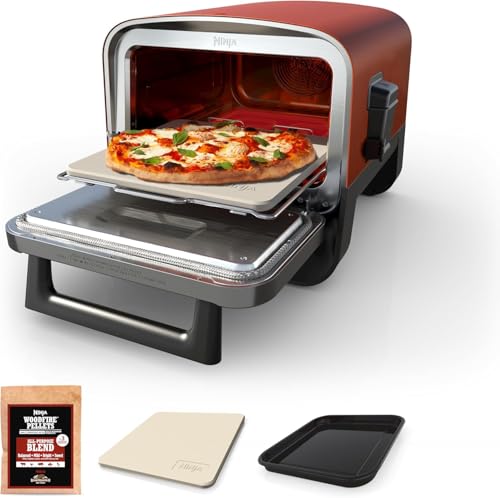
Ninja Woodfire Outdoor Pizza Oven, 5-in-1 Portable Electric Roaster Oven, Heats
5 preset pizza modes: Neapolitan, Thin Crust, NY, Pan, Custom
View Today's PriceHow to Choose the Right Pizza Ovens
Choosing the right pizza oven depends on where you’ll use it, your preferred fuel type, pizza size, experience level, and budget—factors that interact in surprising ways. A feature that’s perfect for outdoor enthusiasts may be useless for apartment dwellers, and high-temperature performance often trades off with portability or price. Our recommendation engine evaluates your specific setup and needs across five key dimensions and matches you to the right pizza oven in under 60 seconds.
About this guide
Pizza Ovens
The Real Buying Challenge: Specs, Trade-Offs, and Price Tiers
Choosing pizza ovens in 2026 is trickier than it looks—there’s a world of difference between a $100 countertop electric pizza oven and a $500 outdoor gas pizza oven. Most buyers underestimate how much maximum temperature (700°F vs. 950°F) impacts the final crust, or how fuel type (gas, wood, electric, or multi-fuel) changes both flavor and convenience in pizza ovens. For example, Ooni’s gas pizza ovens hit 950°F in 15 minutes, while a budget electric pizza oven from Ninja or Chefman might max out at 700°F and take twice as long to preheat. Portability is another make-or-break factor: Solo Stove’s 20-pound Pi Prime pizza oven is genuinely portable, but Gozney’s larger pizza ovens trade weight for higher capacity and stone floor accuracy. Many buyers get tripped up by pizza size—most pizza ovens are 12-inch, but if you want to make 16-inch New York-style pies, you’ll need to spend more and sacrifice portability. Accessories matter, too: a bundled pizza peel and stone for your pizza oven can save you $50–$80. The real challenge is balancing all these pizza oven specs against your budget and actual cooking habits, not just chasing the highest temperature or biggest pizza ovens.
What Separates the Options: Key Differentiators and Real-World Performance
Not all pizza ovens are created equal—brands like Ooni, Gozney, and Solo Stove have carved out reputations for a reason. Ooni’s Koda 12 pizza oven is the go-to for gas-powered speed and simplicity, reaching 950°F for true Neapolitan results in 60 seconds, while Gozney’s pizza ovens are prized for their precision (built-in laser thermometers are a real advantage for stone floor accuracy). Skip wood-fired pizza ovens unless you crave authentic smoky flavor and are willing to manage fuel and cleanup; gas pizza ovens are far easier for weeknight pizza. Electric pizza ovens from Ninja and Chefman are the only safe indoor pizza oven option but cap out at lower temps—great for convenience, but don’t expect classic leopard-spotting on your crust. Multi-fuel pizza ovens offer flexibility but add cost and complexity; only pay for these pizza ovens if you genuinely want to experiment. Don’t obsess over BTUs or wattage—maximum temperature and heat recovery in pizza ovens matter more. If you’re cooking for a crowd, prioritize pizza oven capacity over portability. For most, a 12-inch pizza oven is plenty, but if you regularly host, a 16-inch Gozney or Ooni pizza oven is worth the investment. Accessories like perforated peels and built-in thermometers for pizza ovens aren’t just nice-to-haves—they make a real difference in ease and results.
Decision Factors and How to Choose the Right Pizza Oven
Fuel type, pizza size, and where you’ll use pizza ovens all interact in ways that can make or break your satisfaction. For example, indoor use means you’re limited to electric pizza ovens, which are safer but less capable of reaching the blistering temps needed for Neapolitan pizza. Outdoor setups open up gas, wood, and multi-fuel pizza ovens, but you’ll need to weigh pizza oven portability against capacity—do you want to move your pizza oven for tailgates, or is it a permanent backyard fixture? Budget is a real constraint: under $200, expect smaller pizza oven capacity and lower max temps; at $350–$500, you unlock premium pizza oven features like rapid preheat, higher build quality, and included accessories. Our quiz evaluates your pizza oven space, fuel preference, pizza size, experience level, and budget in one streamlined set of questions. The key is to match pizza oven specs to your actual cooking style—don’t pay for a 16-inch, 950°F pizza oven monster if you’re making personal pizzas in a city apartment. And don’t get lured by flashy pizza oven features if you’ll never use them; focus on what will make pizza night easy, fun, and delicious for you.
Buyer's guide
How to choose
1Core Performance Criteria
- Look for ovens that reach at least 700°F—950°F is ideal for Neapolitan-style pizza, but most budget models max out closer to 700–800°F.
- A 12-inch pizza capacity covers most home cooks, but if you regularly host, a 14–16-inch model is worth the extra investment.
- Preheat time is crucial: top gas ovens like Ooni Koda 12 hit 950°F in 15 minutes, while budget electrics can take 30+ minutes to reach max temp.
- Consistent heat recovery between pizzas separates premium ovens from entry-level models; poor recovery means longer waits and uneven results.
- Built-in thermometers or laser temperature guns, as seen on Gozney models, help you nail the perfect stone temperature for each style of pizza.
- Don’t get distracted by high BTU or wattage numbers—real-world performance depends more on insulation, airflow, and stone quality than raw power.
2Build Quality and Durability
- Stainless steel construction, as found on Ooni and Solo Stove, resists rust and warping far better than powder-coated or thin metal budget models.
- Check for solid, welded seams and sturdy legs; lightweight ovens under 20 lbs are portable but can feel flimsy if not well-designed.
- Stone thickness matters: a thicker cordierite stone holds heat better and is less likely to crack after repeated high-temp use.
- Look for weather-resistant finishes if you plan to leave your oven outdoors—cheaper models often show rust after a single season.
- Removable burners and easy-access ash trays make cleaning and maintenance much easier, especially for wood and pellet ovens.
- Warranty length varies: Ooni and Gozney offer multi-year coverage, while off-brand models may only have 90 days—this signals confidence in build quality.
3Value Analysis
- Under $200, expect basic electric or small gas models with limited capacity and fewer included accessories—great for entry-level or infrequent use.
- The $200–$350 range hits the sweet spot for most buyers, balancing performance, build, and features like included pizza peels and stones.
- Premium models ($350–$500) justify their price with rapid preheat, higher max temps, better insulation, and thoughtful extras like built-in thermometers.
- Don’t overpay for multi-fuel capability unless you’ll actually use both gas and wood—otherwise, a single-fuel oven is simpler and more cost-effective.
- Factor in the cost of essential accessories; a bundled peel, cover, and thermometer can save you $50–$80 compared to buying separately.
- Amazon’s top sellers often offer strong value but check for genuine brand support—warranty and customer service are worth a slight premium.
4Use-Case Fit
- Indoor cooks are limited to electric ovens like Ninja or Chefman, which are safe and easy but can’t match outdoor models for high-heat performance.
- For tailgating or camping, prioritize lightweight ovens under 25 lbs with folding legs, like Solo Stove Pi Prime or Ooni Koda 12.
- If you want authentic smoky flavor, only wood or pellet ovens deliver—gas and electric can’t replicate that signature char and aroma.
- Multi-fuel ovens offer flexibility for enthusiasts who want to experiment, but add complexity and cost—skip unless you’ll truly use both fuels.
- Large families or frequent hosts should seek 14–16-inch ovens, accepting the trade-off in weight and price for greater capacity.
- If you’re a beginner, look for models with preset pizza modes or automatic temperature regulation—these features reduce the learning curve dramatically.
5Common Mistakes to Avoid
- Don’t buy a wood-fired oven if you’re not ready for the mess, fuel sourcing, and cleanup—gas or electric is far easier for most people.
- Many buyers overestimate their need for a 16-inch oven; a 12-inch model is more practical and affordable for most home kitchens.
- Skipping included accessories can backfire—buying a separate pizza peel, stone, or cover adds up quickly and complicates setup.
- Assuming all ovens are portable is a mistake; some premium models are heavy and awkward to move, even with folding legs.
- Ignoring preheat and recovery times leads to frustration—slow ovens drag out pizza night and produce inconsistent results.
- Chasing the highest BTU or wattage doesn’t guarantee better pizza; insulation, airflow, and stone quality matter more than raw numbers.
6Maintenance and Longevity
- Regularly clean the stone and burner assembly—ash buildup in wood or pellet ovens can block airflow and lower performance over time.
- Store your oven with a weatherproof cover if kept outdoors; even stainless steel models like Ooni and Solo Stove benefit from extra protection.
- Avoid using soap on pizza stones—scrape off residue and wipe with a damp cloth to prevent lingering flavors or stone damage.
- Check for removable burners or trays on gas and pellet models, as these make deep cleaning much simpler and extend the oven’s lifespan.
- Inspect for rust or corrosion at the start of each season, especially on hinges and seams—address early to prevent long-term damage.
- Follow manufacturer guidelines for preseasoning and storage; skipping these steps can void your warranty and shorten the oven’s usable life.
FAQ
Frequently asked questions
Is it worth paying extra for a multi-fuel pizza oven?
Multi-fuel ovens offer the flexibility to switch between gas and wood, letting you choose between convenience and authentic smoky flavor. However, they cost $100–$200 more than single-fuel models and require more maintenance. Unless you’re genuinely interested in experimenting with both fuel types, most home cooks are better served by a dedicated gas or wood oven. Only pay extra if you’ll regularly switch fuels and want the versatility for different pizza styles.
How does Ooni compare to Gozney for home pizza ovens?
Ooni is known for lightweight, highly portable gas and multi-fuel ovens like the Koda 12, which reach 950°F quickly and are easy to move. Gozney ovens, such as the Roccbox, are heavier but provide superior heat retention, built-in thermometers, and a more robust build. If you value portability and price, Ooni is a great choice. For maximum precision, durability, and larger pizza sizes, Gozney stands out—especially for serious enthusiasts.
What maximum temperature do I need for authentic Neapolitan pizza?
For true Neapolitan-style pizza, you need an oven that reaches at least 850°F, with 900–950°F preferred. This allows you to cook a pizza in 60–90 seconds, achieving the classic leopard-spotted crust. Most gas and wood-fired outdoor ovens from brands like Ooni and Gozney meet this requirement, while most electric indoor models top out at 700°F and are better suited for New York or pan-style pizzas.
Are electric pizza ovens like Ninja or Chefman good for indoor use?
Electric pizza ovens from Ninja and Chefman are specifically designed for safe indoor use and plug into a standard outlet. They’re compact, easy to clean, and ideal for apartments or year-round cooking. However, they usually max out at 700°F, so you won’t get the same blistered crust as with a gas or wood-fired oven. For convenience and safety, they’re excellent, but flavor and texture are a step below high-heat outdoor models.
Do I need a 16-inch pizza oven for family gatherings?
A 16-inch oven is great for large parties or family gatherings, letting you make full-size New York-style pies. However, they’re heavier, more expensive, and less portable. For most families, a 12-inch oven is sufficient—just cook more pizzas in succession. Only invest in a 16-inch model if you regularly host big groups or want to make extra-large pizzas as your default.
How does Solo Stove Pi Prime compare to Ooni Koda 12?
Solo Stove Pi Prime is a portable gas oven with stainless steel construction and a 12-inch stone, similar to Ooni Koda 12. Both reach high temps quickly and are easy to transport. Ooni tends to have a wider accessory ecosystem and slightly faster preheat times, while Solo Stove emphasizes durability and weather resistance. Either is a top pick for portable outdoor pizza, but Ooni wins for accessories and speed; Solo Stove excels in build quality.
What accessories are essential for a pizza oven?
At minimum, you’ll need a pizza peel for launching and retrieving pies, and a quality stone for even cooking. Many premium ovens include these, saving you $50–$80. A thermometer (infrared or built-in) helps ensure the stone is at the right temperature. Covers protect your oven outdoors, and cleaning brushes extend the life of your stone. Don’t skip these—having the right accessories makes a huge difference in results and longevity.
Best Pizza Ovens By Category
Related Guides
Digital Meat Thermometers
Matched to your cooking style, budget, and whether you need instant-read or wireless multi-probe monitoring.
Gas Grills
Cooking style, space, portability, and features—get matched to the right gas grill for your real grilling habits and outdoor setup.
Luxury Outdoor Grills
Fuel type, installation, cooking capacity, and build quality—matched to your grilling style, space, and must-have features.
Outdoor Patio Heaters
Matched to your patio size, fuel type, wind exposure, and style—get the right heater for your outdoor comfort and ambiance.
Create the Ultimate Outdoor Cooking & Entertaining Space
We match you to the right grills, ovens, ice makers, and power—based on your space, style, and how you love to host.