Skip the research trap. Get your best e-readers and digital notebooks in 60 seconds.
We scored 250+ best e-readers and digital notebooks across 5 dimensions — answer 5 quick questions and we'll match you to YOUR best pick.

Powered by DecisionScore™
Each product is evaluated across 18 weighted criteria — covering performance, value, build quality, and real-world usability. Your quiz answers re-weight the criteria to match what matters most to you, so two people can get different #1 picks from the same data.
See the DecisionScore methodology →- 7‑inch flush glass display with aluminium body for premium feel
- Physical page‑turn buttons for comfortable one‑hand reading
- Warm‑light adjustable illumination and IPX8 water resistance
Find your perfect best e-readers and digital notebooks
5 quick questions. No quiz-takes-10-minutes trap. A personalized match from 22 scored picks — with clear reasoning for every recommendation.
What is your preferred screen size?
Screen size affects portability and reading comfort. Larger screens are better for note-taking and PDFs, while smaller screens are more portable and easier to hold for long reading sessions.
- If you mostly read novels, a basic e-reader is ideal—no need to pay for color or stylus features.
- Comics and magazines look best on color e-paper screens; grayscale models wash out images and highlights.
- Frequent note-takers or students should choose a device with a bundled stylus and large screen for comfortable writing.
As an Amazon Associate and affiliate partner we earn from qualifying purchases. Links on this page may earn us a commission at no extra cost to you. Full disclosure
Not ready for the quiz? Here are our overall top picks
These are our top-rated picks overall. For a recommendation matched to YOUR specific needs,
International Version – Vodafone – Kindle Oasis - Now with adjustable warm light
7‑inch flush glass display with aluminium body for premium feel
View Today's Price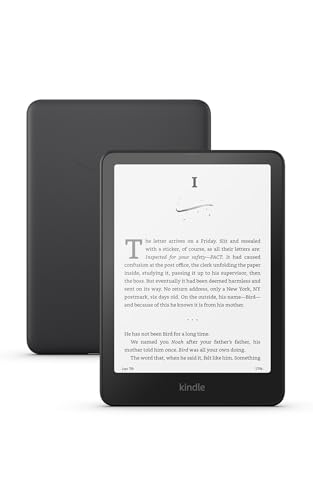
Amazon Kindle Paperwhite 16GB (newest model) – 20% faster, with new 7"
6.8‑inch 300 ppi display with adjustable warm light
View Today's Price
Amazon Kindle Paperwhite Signature Edition 32GB (newest model) – 20% faster with
Signature Edition doubles storage to 32 GB and adds wireless charging
View Today's PriceHow to Choose the Right Best E-Readers and Digital Notebooks
Choosing the right e-reader or digital notebook depends on content type, ecosystem lock-in, display technology, and feature trade-offs—factors that shift based on your reading habits, budget, and where you’ll use it. Generic top-10 lists can’t account for how screen size, waterproofing, and file support interact for your needs. Our recommendation engine evaluates your specific preferences across 14 dimensions and matches you to the ideal device in under 60 seconds.
About this guide
Best E-Readers and Digital Notebooks
Why E-Reader Choices Are Trickier Than They Look
Picking e readers in 2026 is a balancing act between size, display tech, storage, and ecosystem lock-in. In the $150–$250 range, most e readers offer basic grayscale e-ink displays, but color e readers—essential for comics and magazines—start closer to $220 and can reach $300 for models like the Kobo Libra color or Kindle Colorsoft. If you want note-taking capabilities, e readers with large screens like the Kindle Scribe (2025) or Boox Note Air5 will cost $400–$500. Many buyers underestimate how much screen size and resolution on e readers affect comfort: a 7-inch, 300 ppi panel makes a huge difference for eye strain, while color e readers open up a world of graphic novels but can look dimmer than grayscale models in low light. Storage is another trap with e readers—8GB is fine for novels, but comics and audiobooks will quickly fill it. Only a handful of e readers, like select Boox tablets, offer microSD expansion. Battery life varies wildly: basic e readers last weeks, but color or Android-based e readers may need daily charging. Don’t assume the cheapest e readers will fit your habits—trade-offs run deep.
What Actually Separates the Best E-Readers
The real differentiators among e readers in 2026 are display technology, ecosystem flexibility, and feature set. Color e readers are a significant upgrade for comics and PDFs—skip grayscale e readers like the basic Kindle if you love visual content. The Kindle Colorsoft’s 7-inch color screen is a standout among e readers, but it’s locked to Amazon’s store, so sideloading EPUBs is a pain. Kobo Libra color is another e reader that offers a similar color experience but supports OverDrive for library borrowing and open EPUB formats, making it better for those who want flexibility from their e readers. If you need handwriting or annotation, e readers like the Kindle Scribe (2025) and Boox Note Air5 both include a stylus, but only Boox e readers run Android for true app freedom. Don’t be fooled by high price tags: the Scribe costs as much as an iPad Air but is slower for non-reading tasks and lacks app support compared to other e readers. Physical page buttons and warm light are underrated features on e readers—these small touches make a big difference for one-handed reading and night use. Prioritize at least 16GB storage on e readers for audiobooks or comics; 8GB is tight. Only pay for waterproofing on e readers if you’ll actually read by the pool or bath.
How to Choose: Interacting Factors and Smart Trade-Offs
Screen size, content type, and ecosystem all interact when choosing e readers—if you read mostly novels, compact 6-inch e readers are perfect, but manga or PDFs demand at least 7–8 inches. Your preferred bookstore matters: Amazon’s e readers are seamless for Prime members, but Kobo and Boox e readers offer more file flexibility and library integration. If you want to annotate or draw, you’ll need to budget for larger, pricier e readers with stylus support. Battery life shrinks fast on color and Android-based e readers, so don’t expect weeks of reading from a device like the Boox Note Air5 if you use apps heavily. Waterproofing is only worth paying for on e readers if you’ll actually risk splashes—otherwise, skip the premium. Our quiz weighs your reading habits, ecosystem preferences, and feature priorities to match you to the right e readers. Ultimately, you need to decide which trade-offs you’re willing to make: portability versus screen size, open file support versus Amazon’s convenience, and price versus premium features like color or handwriting on e readers.
Buyer's guide
How to choose
1Core Performance Criteria
- Prioritize a 300 ppi screen for sharp text—Kindle Colorsoft and Kobo Libra color both meet this, crucial for long reading sessions.
- Color e-paper is essential for comics, magazines, and PDFs; grayscale models wash out highlights and limit visual content enjoyment.
- At least 16GB of storage is recommended if you download audiobooks or comics, as these files quickly fill up basic 8GB models.
- Battery life varies: basic e-readers last weeks, but color or Android tablets like Boox Note Air5 may need daily charging.
- Stylus support is a must for note-taking—Kindle Scribe (2025) and Boox Note Air5 include a stylus, but check for bundled accessories.
- Check refresh rates: e-ink is slower than LCD, so scrolling and handwriting lag is normal, especially on large-screen models.
2Build Quality and Durability
- Look for IPX7 or IPX8 waterproof ratings if you plan to read by the pool, bath, or outdoors in unpredictable weather.
- Aluminum or magnesium alloy bodies, like on the Kindle Oasis, feel premium and resist flex better than plastic shells.
- Physical page-turn buttons, found on Kobo Libra color and Oasis, are more durable and ergonomic for one-handed use than touchscreen-only models.
- Screen flush with the bezel is less prone to dust and easier to clean, but may be more reflective in direct sunlight.
- USB-C charging is now standard—avoid micro-USB models, as they’re outdated and harder to replace if the port fails.
- Check for replaceable stylus nibs and robust pen construction if you’ll use handwriting features regularly.
3Value Analysis
- The $220–$300 range is the current sweet spot for color e-readers like Kobo Libra color and Kindle Colorsoft, balancing features and longevity.
- Avoid sub-$200 models if you want color or long battery life; these often lack premium displays and struggle with larger files.
- Note-taking tablets like Kindle Scribe or Boox Note Air5 command $400–$500, but only pay the premium if you’ll use handwriting daily.
- Watch for recent price drops—Kindle Colorsoft hit record lows in 2026, signaling good deals on premium color models.
- Don’t overpay for storage: 16GB is plenty unless you keep thousands of comics or audiobooks; few models offer microSD expansion.
- Consider bundled accessories—stylus and case add $50–$100 if not included, affecting total cost of ownership.
4Use-Case Fit
- Choose compact 6-inch models for travel and one-handed reading; larger 8–11 inch screens are best for manga, PDFs, and note-taking.
- If you borrow library books, Kobo’s OverDrive integration is seamless, while Kindles are locked to Amazon’s store and format.
- Audiobook fans need Bluetooth support—Kindle Paperwhite Signature Edition and Colorsoft include this, but not all Kobos do.
- Outdoor readers should favor e-ink screens for glare-free sunlight use—LCD/OLED tablets are nearly unreadable outdoors.
- Stylus-enabled devices are ideal for students and professionals who annotate documents or sketch, but unnecessary for pure reading.
- Physical page buttons are a must for those with limited dexterity or who read for hours without shifting grip.
5Common Mistakes to Avoid
- Don’t assume all e-readers are open—Kindle devices restrict you to Amazon’s store, making sideloading EPUBs difficult or impossible.
- Many buyers underestimate how quickly comics and audiobooks fill 8GB storage; always check capacity before purchase.
- Skipping color e-paper for graphic-heavy content is a mistake—grayscale models make comics and magazines look dull and hard to follow.
- Overpaying for stylus note-taking when you only read novels wastes money; basic models suffice for pure text consumption.
- Ignoring battery life differences leads to frustration—color and Android-based tablets need charging far more often than basic e-ink readers.
- Assuming waterproofing is standard is risky—many midrange models lack any water resistance, so verify IP rating if you read near water.
6Maintenance and Longevity
- E-ink screens are durable but can crack if dropped; use a padded sleeve for travel to extend device life.
- Battery longevity is best on basic e-readers—expect 2–3 weeks per charge, but heavy app use on tablets drains batteries in a day.
- USB-C ports are more robust than micro-USB, but avoid yanking cables to prevent wear and tear over time.
- Replace stylus nibs regularly if you annotate often; worn nibs scratch screens and reduce writing accuracy.
- Firmware updates from brands like Kobo and Amazon add features and fix bugs—choose brands with a track record of regular updates.
- Screen protectors reduce scratches and glare, especially for devices with flush glass or frequent stylus use.
FAQ
Frequently asked questions
Is color e-paper worth paying extra for in 2026?
If you read comics, magazines, or any graphic-heavy content, color e-paper is absolutely worth the premium. Devices like the Kindle Colorsoft and Kobo Libra color deliver vibrant visuals that grayscale models simply can’t match. For pure text reading, color is less essential, but for mixed content, it’s a significant upgrade. Expect to pay $220–$300 for a good color e-reader, but the improvement in readability and enjoyment is significant. If you only read novels, you can safely skip it.
How does the Kindle Colorsoft compare to the Kobo Libra Colour?
The Kindle Colorsoft offers a 7-inch color e-paper display, seamless Amazon store integration, and multi-week battery life, but it’s locked to Amazon’s ecosystem. The Kobo Libra color matches the color screen but supports open EPUB files and OverDrive library borrowing, making it better for those who want flexibility. Both have similar battery and display quality, but Kobo wins for library users and anyone who wants to sideload content easily.
What screen size is best for manga, comics, or PDFs?
For manga, comics, or PDFs, a larger screen—at least 7.8 inches—is ideal. Devices like the Kindle Scribe (11-inch) or Boox Note Air5 (10.3-inch) provide enough real estate for full-page viewing without constant zooming and panning. Standard 6-inch or 7-inch screens are cramped for these formats and make reading visual content frustrating. Prioritize color e-paper and a larger display if you consume a lot of graphic material.
Can I use a Kindle for library books or EPUBs?
Standard Kindle devices are locked to Amazon’s store and do not natively support EPUB files or direct library borrowing. You can convert EPUBs to Kindle format using third-party tools, but it’s inconvenient and sometimes breaks formatting. If library borrowing or open file support is important, opt for a Kobo or Boox device, both of which support OverDrive and open formats directly.
Is the Kindle Scribe (2025) a good value for students?
The Kindle Scribe (2025) is a strong option for students who need both reading and note-taking. Its 11-inch e-paper screen and bundled stylus make annotating textbooks easy. However, it’s priced around $400—comparable to an iPad Air, which offers more app flexibility. If you only need reading and basic notes, it’s great, but for advanced productivity or app use, consider a Boox Note Air5 or a tablet.
How often do I need to charge a color e-reader or e-note?
Color e-readers like the Kindle Colorsoft or Kobo Libra color last about two to three weeks on a charge with moderate use, which is less than grayscale models but still excellent. Android-based e-notes like the Boox Note Air5 may need charging every two to five days, especially if you use apps or the stylus frequently. Battery life is always shorter with color and large screens, so plan accordingly.
Do I need waterproofing, and which models offer it?
Waterproofing is only necessary if you plan to read by the pool, bath, or outdoors in wet conditions. Models like the Kindle Oasis, Kindle Paperwhite Signature Edition, and Kobo Libra color offer IPX7 or IPX8 ratings, meaning they can survive accidental submersion. If you always read indoors, you can skip this feature and save money. Always check the IP rating before assuming a device is water-resistant.
Related reading
Best Best E-Readers and Digital Notebooks By Category
Related Guides
AV Receivers
Room size, speaker setup, streaming features, and gaming needs—get matched to the right AV receiver for your home theater.
Home Theater Speaker Packages
Room size, audio priorities, and setup style—get matched to the right soundbar or speaker system for your home theater.
Blu-ray Players
Resolution, HDR, audio, streaming, and disc region—matched to your TV, sound system, and movie collection in seconds.
Budget Home Theater Systems
Room size, surround immersion, and setup style—get matched to the right budget home theater system for your space and habits.
Build the Ultimate Home Bar: Carts, Glassware, Tools & Storage
Entertaining style, storage needs, and drink preferences—get matched to the right bar cart, glassware, tools, and storage for your home.