Skip the research trap. Get your home theater speaker packages in 60 seconds.
We scored 450+ home theater speaker packages across 5 dimensions — answer 5 quick questions and we'll match you to YOUR best pick.

Powered by DecisionScore™
Each product is evaluated across 18 weighted criteria — covering performance, value, build quality, and real-world usability. Your quiz answers re-weight the criteria to match what matters most to you, so two people can get different #1 picks from the same data.
See the DecisionScore methodology →- Premium 7.1.4 soundbar system with optional wireless subwoofer
- Supports Dolby Atmos, DTS:X and 360 Reality Audio
- HDMI eARC, Bluetooth, Wi-Fi and built-in Chromecast
Find your perfect home theater speaker packages
5 quick questions. No quiz-takes-10-minutes trap. A personalized match from 41 scored picks — with clear reasoning for every recommendation.
Which type of home theater system do you prefer?
Soundbar systems combine the main channel and often include wireless satellites and a sub. Compact satellite systems use small satellite speakers and a separate subwoofer. Traditional systems use larger bookshelf or floorstanding speakers with an AV receiver. High-performance floorstanding setups deliver the most dynamic range but require more space.
- Soundbar packages are ideal for quick setup and minimal wiring in apartments or living rooms.
- Traditional speakers with an AV receiver offer the best upgrade flexibility and sound customization.
- Compact satellite systems fit small spaces but may sacrifice some bass and dynamic range compared to larger setups.
As an Amazon Associate and affiliate partner we earn from qualifying purchases. Links on this page may earn us a commission at no extra cost to you. Full disclosure
Not ready for the quiz? Here are our overall top picks
These are our top-rated picks overall. For a recommendation matched to YOUR specific needs,
Sennheiser AMBEO Subwoofer for TV and Music with Immersive 3D Surround Sound a
Premium 7.1.4 soundbar system with optional wireless subwoofer
View Today's Price
Sony BRAVIA Theater Quad Home Theater Surround Sound System and SA-SW5 Wireless
Wireless 7.1.4-channel setup with soundbar and rear speakers
View Today's Price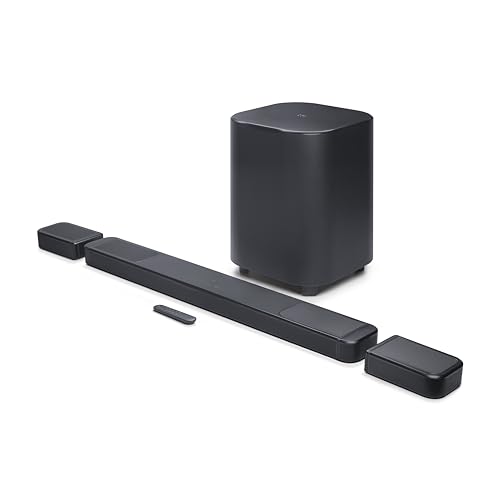
JBL Bar 1300XMK2-11.1.4 Channel soundbar System with Detachable Surround
Detachable rear speakers convert soundbar into 11.1.4 system
View Today's PriceHow to Choose the Right Home Theater Speaker Packages
Choosing the right home theater speaker package depends on your room size, audio priorities, connectivity needs, and budget—trade-offs that shift based on your space and upgrade plans. A feature that’s perfect for a large living room can ruin immersion in a small apartment, and not every system supports the formats you actually watch. Our recommendation engine analyzes your specific setup across five key dimensions and matches you to the ideal package in under 60 seconds.
About this guide
Home Theater Speaker Packages
Why Home Theater Speaker Choices Are Tricky in 2026
Choosing beginner home theater speaker packages in 2026 is harder than it looks. The main dilemma is between all-in-one soundbars—like the Klipsch Flexus Core 300 or Samsung HW-Q990F—and traditional 5.1 or 7.1 beginner home theater speaker packages that require an AV receiver. Soundbars now dominate for simplicity, wireless setup, and features like Dolby Atmos, but many budget beginner home theater speaker packages under $300 (such as the Samsung HW-B750D) cut corners on surround immersion and DTS:X support. Room size also drives complexity: a 5.1.2 system like the Flexus Core 300 is perfect for rooms under 300 sq ft, while 11.1.4 monsters like the HW-Q990F are overkill for small spaces and cost $2,000 or more. Most buyers get tripped up by ignoring room correction (Dirac Live is a significant upgrade for beginner home theater speaker packages) or assuming more channels always mean better sound. Price tiers matter: $200–$300 gets you basic clarity in beginner home theater speaker packages, $900–$1,200 unlocks true Atmos and room tuning, and $1,800+ is for enthusiasts only. Don’t let marketing jargon or flashy specs distract you from what actually matters for your room and habits when choosing beginner home theater speaker packages.
What Actually Sets Home Theater Packages Apart
The real differentiators in 2026 for beginner home theater speaker packages are room correction technology, surround realism, and connectivity—not just wattage or channel count. Skip basic 2.0 or 3.1 beginner home theater speaker packages unless you’re truly limited on space or budget; they downmix Atmos and lack real surround, as seen in models like the TCL S45H. Prioritize beginner home theater speaker packages with Dirac Live or similar room correction (like the Klipsch Flexus Core 300), which fixes 80% of bad sound caused by room acoustics—a feature most buyers overlook. Discrete wireless satellites, as found in the Samsung HW-Q990F beginner home theater speaker package, make a bigger impact on immersion than simulated surround or up-firing drivers alone. If you stream movies from Disney+ or play Blu-rays, check for DTS:X support in beginner home theater speaker packages; many popular bars lack it, forcing you to settle for stereo downmixing. Brands like Sonos, LG, and Yamaha excel in smart multiroom integration, but only Klipsch and Samsung currently combine high-end room tuning with true wireless surround in their beginner home theater speaker packages. In short: don’t chase channel numbers—focus on room fit, platform compatibility, and real-world sound quality when selecting beginner home theater speaker packages.
How to Decide: Factors That Interact and What Our Quiz Evaluates
Room size, layout, and your willingness to run wires all interact to determine which beginner home theater speaker packages will actually sound good in your space. For example, a small apartment benefits from a compact beginner home theater speaker package with wireless satellites, while a large living room needs a 5.1.2 or 7.1.4 beginner home theater speaker package with enough power and real subwoofer output. Your budget constrains which features—like Dirac Live room correction or discrete Atmos height channels—are realistic in beginner home theater speaker packages. Connectivity needs (wireless vs. wired, multiroom streaming) often rule out certain beginner home theater speaker packages entirely. Our quiz evaluates your room, audio priorities, and setup preferences to match you to the right beginner home theater speaker package. Don’t underestimate the impact of subwoofer placement, or the frustration of buying beginner home theater speaker packages that can’t decode your favorite movie formats. Think carefully about upgrade paths: some beginner home theater speaker packages can add rear speakers or height modules later, others are locked in. Ultimately, the best beginner home theater speaker package is the one that fits your habits, space, and future plans—not just the one with the biggest box or most channels.
Buyer's guide
How to choose
1Core Performance Criteria
- Look for true Dolby Atmos or DTS:X support, not just a logo—many budget bars like the TCL S45H downmix, losing immersive effects.
- Prioritize packages with discrete wireless satellites, such as the Samsung HW-Q990F, for genuine surround instead of virtualized audio.
- Room correction technology like Dirac Live, featured in the Klipsch Flexus Core 300, can dramatically improve clarity and bass in real rooms.
- A sealed subwoofer design, as seen in the Samsung HW-Q990F, reduces rattle and delivers tighter bass compared to ported or budget models.
- Check for high dynamic range—systems that compress at high volume (common in sub-$300 bars) struggle with action movies and big soundtracks.
- HDMI eARC is essential for passing lossless audio from modern TVs; older optical-only connections limit sound quality and format support.
2Build Quality and Durability
- Premium soundbars like the Klipsch Flexus Core 300 use robust enclosures and quality drivers, lasting longer than plastic-heavy budget models.
- Wireless satellites should have solid construction and secure mounting options to avoid vibration and accidental damage over years of use.
- Look for subwoofers with reinforced cabinets and internal bracing—flimsy builds are prone to rattling and premature failure.
- Check warranty terms: midrange and premium packages often include two to three years, while budget bars may offer only 12 months.
- Speaker grilles should be removable and easy to clean, especially if you have pets or kids in your home theater space.
- Buttons and remote controls on low-cost systems can feel flimsy; higher-end models offer more reliable tactile feedback and longer-lasting remotes.
3Value and Price Analysis
- The $900–$1,200 range (e.g., Klipsch Flexus Core 300) is the current value sweet spot for real Atmos, room correction, and strong bass.
- Budget packages under $300, like the Samsung HW-B750D, deliver clear dialog but lack immersive surround and premium build quality.
- Spending $1,800+ (Samsung HW-Q990F) only makes sense for large rooms or if you demand the most cinematic experience available in 2026.
- Midrange systems outperform budget bars in both clarity and upgrade potential, often supporting wireless rears or future height modules.
- Don’t overpay for channel count—more channels only help if your room and content can actually use them effectively.
- Watch for seasonal discounts: soundbar packages frequently drop 10–15% during major sales, making midrange models much more accessible.
4Matching the System to Your Use Case
- Small rooms benefit from compact soundbars or 3.1 packages; larger spaces need 5.1.2 or 7.1.4 for full impact and bass coverage.
- Movie lovers should prioritize systems with discrete satellites and real Atmos height channels for the most immersive experience.
- Music fans may prefer balanced packages with strong stereo imaging, such as those from Sonos or Yamaha, over pure movie-centric systems.
- If you want whole-home audio, choose a package compatible with Sonos, HEOS, or BluOS for seamless multiroom streaming.
- Gamers should check for low input lag and HDMI 2.1 support to ensure audio stays in sync with fast-paced visuals.
- Consider future upgrades: some soundbars allow adding wireless rears or subwoofers later, while others are fixed and non-expandable.
5Common Mistakes and Pitfalls
- Buying based on channel count alone—11.1.4 is overkill for most rooms and compresses in small spaces, wasting money and space.
- Ignoring DTS:X support—many popular bars lack it, causing issues with Blu-rays and Disney+ content that require this format.
- Placing the subwoofer in a corner without testing—rattle and boomy bass are common if placement isn’t optimized for your room.
- Assuming all wireless systems are truly wireless—some require power cables or have proprietary wireless that limits flexibility.
- Skipping room correction—Dirac Live or similar tech fixes 80% of bad sound, yet most buyers overlook this critical feature.
- Not measuring your space—large speakers in small rooms overwhelm, while tiny bars in big rooms sound thin and underpowered.
6Maintenance and Longevity
- Dust speaker grilles and subwoofers monthly to prevent buildup that can muffle sound or damage drivers over time.
- Update firmware regularly—brands like Samsung and Klipsch release audio improvements and bug fixes that keep your system performing at its best.
- Check wireless satellites for battery or power cable wear if used daily; replace or service as needed to avoid dropouts.
- Inspect HDMI and power cables annually for fraying or loose connections, which can cause audio dropouts or system instability.
- Store remotes in a safe spot—lost or damaged remotes are a leading source of frustration and can be costly to replace.
- Keep packaging for at least 90 days in case you need to return or exchange; some brands require original boxes for warranty claims.
FAQ
Frequently asked questions
Is Dolby Atmos worth paying extra for in a home theater speaker package?
Dolby Atmos is only worth the premium if the system includes real up-firing or discrete height speakers, such as those found in the Klipsch Flexus Core 300 or Samsung HW-Q990F. Many budget soundbars just downmix Atmos content, so you lose the overhead effects. If you love immersive movies and blockbusters, true Atmos is a significant upgrade. For casual TV or smaller rooms, a solid 5.1 system without Atmos still delivers a huge improvement over TV speakers.
How does the Klipsch Flexus Core 300 compare to the Samsung HW-Q990F?
The Klipsch Flexus Core 300 excels in room correction with Dirac Live, offering precise tuning for challenging spaces and strong bass for its size. The Samsung HW-Q990F, however, leads in sheer channel count (11.1.4), delivering the most immersive surround for large rooms and blockbuster movies. The HW-Q990F also features a sealed subwoofer that minimizes rattle. For most buyers, the Flexus Core 300’s value and room tuning make it the better fit unless you have a very large space.
What size speaker package do I need for a small apartment?
For small apartments or dens under 300 square feet, a 3.1 or 5.1.2 soundbar package with wireless satellites is ideal. The Klipsch Flexus Core 300 or Samsung HW-B750D offer enough output and clarity without overwhelming the space. Avoid larger 7.1.4 or 11.1.4 systems, as they can compress and sound muddy in small rooms. Compact systems also simplify setup and minimize cable clutter, which is crucial in tight spaces.
Is DTS:X support important for streaming and Blu-ray playback?
Yes, DTS:X support is crucial if you watch Blu-rays or stream from services like Disney+, which often use DTS audio tracks. Many popular soundbars, especially budget models like the TCL S45H, lack DTS:X, forcing your system to downmix to stereo or basic surround. This results in a noticeable loss of immersion. Always check the specs—if you value full surround from physical discs or certain streaming services, DTS:X is a must-have.
Can I upgrade a basic soundbar package later with more speakers?
Some soundbar packages, especially from brands like Samsung and Sonos, allow you to add wireless rear satellites or subwoofers later. However, entry-level models such as the TCL S45H are often fixed and cannot be expanded. Always verify upgrade paths before buying—if you think you’ll want more surround or bass in the future, choose a system with modular expansion options. This flexibility is worth a slight premium upfront.
Are traditional speaker packages still worth it over modern soundbars?
Traditional speaker packages with an AV receiver still offer the best flexibility and upgrade potential, especially for audiophiles or those who want the most dynamic range. However, in 2026, most beginners prefer soundbar-based packages for their simplicity, wireless setup, and features like built-in room correction. Unless you have a dedicated theater room or specific audio preferences, a high-quality soundbar package will deliver 90% of the experience with far less hassle.
Which brands offer the best smart multiroom integration?
Sonos, Yamaha, and LG lead in smart multiroom integration, letting you sync audio across multiple rooms and control everything via app. Klipsch and Samsung focus more on home theater immersion, but Sonos stands out for seamless wireless streaming and easy expansion. If you want to build a whole-home audio system that works with voice assistants and streaming services, prioritize brands with proven multiroom platforms like Sonos or Yamaha MusicCast.
Best Home Theater Speaker Packages By Category
Related Guides
AV Receivers
Room size, speaker setup, streaming features, and gaming needs—get matched to the right AV receiver for your home theater.
Blu-ray Players
Resolution, HDR, audio, streaming, and disc region—matched to your TV, sound system, and movie collection in seconds.
Budget Home Theater Systems
Room size, surround immersion, and setup style—get matched to the right budget home theater system for your space and habits.
Build the Ultimate Home Bar: Carts, Glassware, Tools & Storage
Entertaining style, storage needs, and drink preferences—get matched to the right bar cart, glassware, tools, and storage for your home.