Skip the research trap. Get your audio interfaces in 60 seconds.
We scored 600+ audio interfaces across 5 dimensions — answer 5 quick questions and we'll match you to YOUR best pick.
Powered by DecisionScore™
Each product is evaluated across 18 weighted criteria — covering performance, value, build quality, and real-world usability. Your quiz answers re-weight the criteria to match what matters most to you, so two people can get different #1 picks from the same data.
See the DecisionScore methodology →- Two flagship Symphony mic preamps with 24‑bit/192kHz conversion
- Onboard Symphony ECS Channel Strip and Clearmountain's Spaces DSP
- Touchscreen control and ADAT expansion up to 10 inputs
Find your perfect audio interfaces
5 quick questions. No quiz-takes-10-minutes trap. A personalized match from 59 scored picks — with clear reasoning for every recommendation.
What is your preferred brand for the audio interface?
Brand preference can influence your choice based on past experiences, brand reputation, and compatibility with other equipment you own. Some brands are known for specific features or quality levels.
- Count how many microphones and instruments you’ll record at once—this determines the minimum number of inputs you need.
- If you plan to record drums, you’ll need at least 8 mic inputs for proper multi-mic setups.
- Podcasting with multiple hosts or guests? Make sure your interface supports enough simultaneous microphone channels.
As an Amazon Associate and affiliate partner we earn from qualifying purchases. Links on this page may earn us a commission at no extra cost to you. Full disclosure
Not ready for the quiz? Here are our overall top picks
These are our top-rated picks overall. For a recommendation matched to YOUR specific needs,
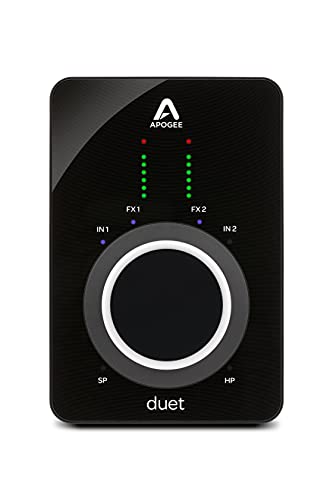
Apogee Duet 3 Premium USB-C Audio Interface for Mac, Windows & iOS
Two flagship Symphony mic preamps with 24‑bit/192kHz conversion
View Today's Price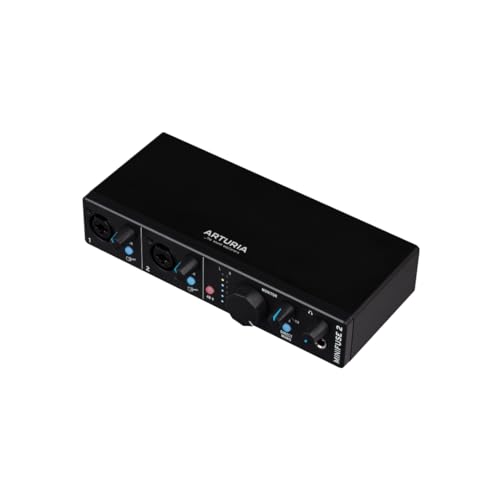
Arturia MiniFuse USB Audio & MIDI Interface, MiniFuse 2
1 combo XLR/TRS input with 48V phantom power
View Today's Price
Arturia MiniFuse USB Audio & MIDI Interface, MiniFuse Recording Pack
MiniFuse 2 interface with 2 combo inputs and MIDI I/O
View Today's PriceHow to Choose the Right Audio Interfaces
Choosing the right audio interface depends on your recording needs, computer compatibility, workflow demands, and budget—factors that interact in complex ways. A feature that’s essential for a band might be overkill for a solo podcaster, and driver stability can make or break your setup depending on your OS. Generic top-10 lists can’t account for these trade-offs. Our recommendation engine analyzes your unique situation across five dimensions and matches you to the right audio interface in under 60 seconds.
About this guide
Audio Interfaces
Why Audio Interface Shopping Is Tricky in 2026
Choosing the right audio interface in 2026 is harder than it looks because the specs that matter most—input count, preamp quality, and connectivity—are tangled up in real-world trade-offs. For example, a Focusrite Scarlett 2i2 (4th Gen) at $170 is perfect for singer-songwriters, but bands recording drums need at least 8-input audio interfaces, pushing you into the $500–$900 range for models like the RME Babyface Pro FS or Tascam US-16x08. Most buyers get tripped up by overvaluing high sample rates (192kHz is rarely needed and eats CPU) or chasing bundled software that won’t integrate with their DAW. USB-C is now standard for most audio interfaces, but Thunderbolt still matters for ultra-low latency—if your computer supports it. Don’t forget driver stability: Behringer’s UMC404HD is a budget audio interface but plagued by Windows driver crashes, while RME’s drivers are rock-solid but cost more. Portability and build quality also matter—some audio interfaces are rugged for touring, others are strictly for studio desks. It’s easy to overlook these details and end up with the wrong audio interface for your workflow.
What Actually Sets Audio Interfaces Apart
The real differentiators between audio interfaces in 2026 aren’t just about channel count or price. Preamp quality is a major separator—Audient’s iD4 MKII and RME’s Babyface Pro FS offer class-leading low noise floors and clean gain, while budget Behringer audio interfaces introduce hiss at high gain. Driver stability and latency are make-or-break: RME’s TotalMix FX and SteadyClock FS deliver sub-3ms roundtrip latency, which is critical for real-time monitoring, while Focusrite’s Scarlett series is a reliable audio interface for home studios but not for demanding pro setups. Skip Thunderbolt unless you need ultra-low latency or plan to expand your audio interfaces with ADAT—USB-C covers most needs now. Built-in DSP (like Universal Audio’s Apollo Twin X) is only worth it if you’ll actually use real-time plug-ins or preamp modeling; otherwise, you’re paying for features in your audio interface you might never touch. Don’t get distracted by flashy bundled software—compatibility with your DAW matters far more when choosing audio interfaces. If you’re streaming or podcasting, loopback and easy routing are must-haves in audio interfaces, but for pure music production, prioritize preamp EIN (<-127dBu) and converter specs.
How to Make the Right Audio Interface Decision
Getting the best audio interface means balancing your primary recording needs, computer compatibility, and budget—each factor shapes what’s realistic. Room size and input needs dictate whether a 2-in/2-out audio interface like the Scarlett 2i2 suffices, or if you need multi-channel expandability via ADAT on your audio interfaces. Your computer’s ports (USB-C vs Thunderbolt) limit your audio interface choices, and bus power only works if your laptop outputs over 900mA. If you’re mobile, weight and ruggedness in your audio interface matter; fixed studios can prioritize rackmount audio interfaces. Latency and driver stability interact with your workflow: live monitoring demands sub-5ms latency from your audio interface, while editing podcasts can tolerate more. Our quiz evaluates your recording goals, connectivity, need for onboard processing, portability, and latency expectations in a few clicks to help you find the right audio interface. Beyond that, focus on real-world value: test audio interface drivers with LatencyMon before buying, ignore software hype unless it fits your DAW, and don’t overpay for I/O on audio interfaces you’ll never use. The right audio interface is the one that fits your setup, not just the one with the most features.
Buyer's guide
How to choose
1Core Performance Criteria
- Prioritize preamp quality and EIN ratings below -127dBu for clean recordings, especially if you track vocals or acoustic instruments at high gain.
- Low-latency drivers are essential for real-time monitoring; interfaces like RME Babyface Pro FS consistently deliver roundtrip latency under 3ms.
- Check for 24-bit/192kHz support, but don’t overpay for higher sample rates unless you’re doing pro mastering or sound design.
- Number of mic and line inputs should match your typical session—solo artists can use 2-in/2-out, but bands need at least 8 inputs.
- Built-in DSP or preamp modeling is only necessary if you want real-time effects or vintage emulation during tracking and monitoring.
- Loopback functionality is crucial for streamers and podcasters, allowing you to route audio between applications without extra hardware.
2Build Quality and Durability
- Metal chassis interfaces like Audient iD4 MKII and RME Babyface Pro FS withstand travel and daily use better than plastic-bodied budget models.
- Knobs and switches should feel solid with minimal wobble—cheap tactile controls often fail after a year of regular studio work.
- USB-C ports must be reinforced; flimsy connectors are a common failure point, especially on interfaces under $200.
- Look for interfaces with recessed jacks and protected corners if you plan to transport your gear frequently between sessions.
- Rackmount units are best for fixed studios, but require dedicated rack space and are less portable than desktop or bus-powered models.
- Warranty length and support reputation matter—RME and Focusrite offer reliable service, while some budget brands have limited coverage.
3Value Analysis and Price Tiers
- The $150–$300 range offers the best value for most users, balancing preamp quality, low noise, and solid driver support.
- Spending above $800 is only justified if you need ultra-low latency, advanced routing, or more than eight simultaneous inputs.
- Budget interfaces like Behringer UMC22 are tempting, but often sacrifice driver stability and introduce hiss at high gain settings.
- Focusrite Scarlett and PreSonus Studio series consistently deliver strong performance for the price, especially for home studios and beginners.
- Don’t let bundled software sway your decision—test if it integrates with your DAW before factoring it into the value equation.
- USB4 adoption in 2026 has lowered prices, so expect better specs at lower costs compared to previous years.
4Use-Case Fit and Workflow
- Singer-songwriters and solo producers can stick with 2-in/2-out models like Scarlett 2i2, but bands need interfaces with at least 4–8 mic inputs.
- Podcasting and streaming require loopback and easy routing; PreSonus and RME excel here, while some budget models lack these features entirely.
- Electronic producers should look for MIDI I/O and low-latency USB-C connectivity for tight hardware integration and fast response.
- If you record drums or full bands, prioritize expandability via ADAT or SPDIF to add channels as your needs grow.
- Mobile recording demands bus-powered, compact interfaces with robust construction—avoid rackmount units unless your setup is always stationary.
- Choose DSP-equipped models only if you plan to use real-time plug-in processing; otherwise, skip the extra cost.
5Common Mistakes and Pitfalls
- Overestimating input needs leads to paying for unused channels—most solo users never need more than two simultaneous inputs.
- Ignoring driver quality can result in dropouts and instability, especially on Windows; always check LatencyMon or user forums before buying.
- Chasing high sample rates like 192kHz unnecessarily strains your CPU and storage without audible benefit for most home recording.
- Relying on bundled software is risky; many DAW integrations are basic or incompatible with your preferred workflow.
- Assuming all USB-C interfaces are equal—power requirements and port compatibility vary widely between laptops and desktops.
- Buying on brand reputation alone can backfire; even respected brands have models with known issues, so check recent reviews.
6Maintenance and Longevity
- Keep firmware and drivers updated for best performance and compatibility, especially as OS updates roll out in 2026.
- Avoid stacking heavy gear on top of desktop interfaces, as heat buildup and pressure can damage internal components over time.
- Clean input jacks regularly to prevent crackle and intermittent signal—use contact cleaner every few months for busy studios.
- Store portable interfaces in padded cases to protect knobs and connectors during travel or when not in use.
- Replace USB or Thunderbolt cables at the first sign of wear; intermittent connections can cause audio dropouts and frustration.
- Check warranty terms before purchase—some brands require registration within 30 days to qualify for extended coverage.
FAQ
Frequently asked questions
Is onboard DSP or preamp modeling worth paying extra for?
Onboard DSP and preamp modeling are only worth the premium if you need real-time effects or vintage gear emulation during tracking. For most home studios, clean analog preamps are sufficient, and software plug-ins can handle processing after recording. However, if you want to run plug-ins with zero latency (as with Universal Audio Apollo Twin X or RME TotalMix FX), DSP is a significant upgrade. Otherwise, skip it and invest in better mics or monitors.
How does Focusrite compare to Audient and RME for home studios?
Focusrite Scarlett interfaces are the go-to for beginners due to their ease of use, solid preamps, and reliable USB-C connectivity. Audient iD4 MKII offers cleaner Class-A preamps and slightly lower noise, making it a step up for critical vocal or acoustic work. RME interfaces like the Babyface Pro FS are in a different league for driver stability and ultra-low latency, but cost significantly more. For most home studios, Focusrite or Audient deliver the best value.
What sample rate and bit depth do I really need for music production?
A 24-bit/44.1kHz or 48kHz setting is ideal for most music production and podcasting in 2026. Higher sample rates like 96kHz or 192kHz are only necessary for specialized mastering or sound design work, and can strain your CPU and storage. Stick with 24-bit for headroom and dynamic range, and only bump up the sample rate if your workflow or clients require it.
Do I need Thunderbolt connectivity, or is USB-C enough?
USB-C interfaces now deliver excellent performance for nearly all home and project studios, supporting low-latency operation and high channel counts. Thunderbolt is only necessary if you require ultra-low latency (sub-2ms) or plan to run large sessions with dozens of tracks and plug-ins. Most users will find USB-C more than sufficient, especially with improved drivers in 2026.
Which audio interface is best for podcasting and streaming?
For podcasting and streaming, prioritize interfaces with loopback functionality and easy routing. PreSonus Studio 24c and RME Babyface Pro FS both excel here, offering stable drivers and flexible routing for mixing voice, music, and remote guests. Avoid budget models that lack loopback or have unreliable drivers, as these can cause headaches during live broadcasts.
How many inputs do I need for recording a full band?
Recording a full band with drums typically requires at least eight simultaneous mic preamps. Look for interfaces with ADAT or SPDIF expansion if you anticipate needing more channels in the future. Tascam US-16x08 and RME Babyface Pro FS (with expanders) are popular choices for multi-channel setups. Don’t try to make do with a 2-in/2-out interface for full band tracking—it will limit your flexibility.
Are Behringer audio interfaces a good budget option in 2026?
Behringer interfaces like the UMC22 and UMC404HD are very affordable, but reviews in 2026 consistently highlight issues with driver instability and audible hiss at high gain. They can work for basic demo recording or as a backup, but for reliable daily use, Focusrite Scarlett or PreSonus Studio series offer better stability and cleaner preamps for only a modest price increase.
Related reading
Best Audio Interfaces By Category
Related Guides
Acoustic Panels
Room type, frequency issues, installation, and budget—get matched to the right acoustic panels for your space and sound goals.
Digital Audio Recorders
Matched to your recording style, mic setup, budget, and portability needs—get the right audio recorder for your workflow.
Field Recorders
Matched to your skill level, channel needs, budget, and whether you’ll use it for music, film, or fieldwork.
Professional Studio Headphones
Matched to your workflow, budget, comfort, and whether you need isolation for tracking or accuracy for mixing.