Skip the research trap. Get your baby monitors in 60 seconds.
We scored 300+ baby monitors across 5 dimensions — answer 5 quick questions and we'll match you to YOUR best pick.
Powered by DecisionScore™
Each product is evaluated across 18 weighted criteria — covering performance, value, build quality, and real-world usability. Your quiz answers re-weight the criteria to match what matters most to you, so two people can get different #1 picks from the same data.
See the DecisionScore methodology →- Non-WiFi monitor with 1080p camera and 5.5-inch display
- Remote pan, tilt and 4x zoom with split-screen mode
- Private FHSS connection and up to 960-ft range
Find your perfect baby monitors
5 quick questions. No quiz-takes-10-minutes trap. A personalized match from 27 scored picks — with clear reasoning for every recommendation.
What type of monitoring do you need?
Consider whether you only need to hear your baby, want a live video feed, or need vital signs monitoring such as breathing or heart rate. Unsure? Most parents are happy with video.
- Audio-only is simplest and most reliable for overnight peace of mind.
- Video lets you check on your baby visually but costs more and uses more power.
- Health/vitals tracking adds breathing or movement alerts, but can cause false alarms in active babies.
As an Amazon Associate and affiliate partner we earn from qualifying purchases. Links on this page may earn us a commission at no extra cost to you. Full disclosure
Not ready for the quiz? Here are our overall top picks
These are our top-rated picks overall. For a recommendation matched to YOUR specific needs,
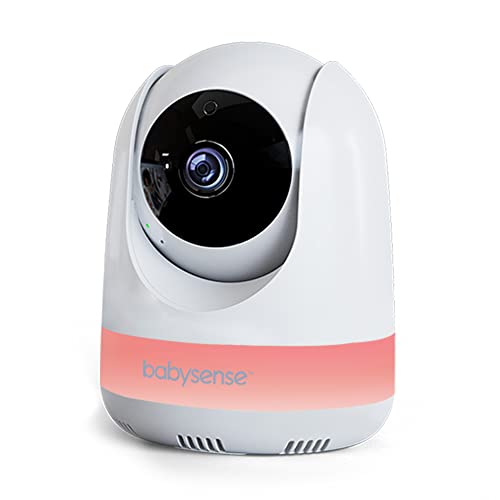
Babysense Add On Camera Video Baby Monitor MaxView, Remote Pan Tilt Zoom,
Non-WiFi monitor with 1080p camera and 5.5-inch display
View Today's Price
OXWINOU 4.8V 1800mAh
5-inch touchscreen parent unit with remote camera control
View Today's Price
VAVA VAIH006VAVA Video Baby Monitor With Camera 720P
5-inch display with 720p resolution and crisp night vision
View Today's PriceHow to Choose the Right Baby Monitors
Choosing the right baby monitor depends on your monitoring needs, connection preferences, home size, and appetite for smart features—trade-offs that shift with your family’s lifestyle and privacy concerns. A feature that’s perfect for a large house or anxious parent is overkill for a small apartment or casual use. Our recommendation engine evaluates your specific situation across five key dimensions and matches you to the right baby monitor in under 60 seconds.
About this guide
Baby Monitors
Why Baby Monitor Choices Are Trickier Than They Look
Baby monitors in 2026 aren’t just about audio anymore—they’re a maze of tech, privacy, and price trade-offs. Non‑WiFi baby monitors like the VTech DM221 ($40–$50) offer rock-solid privacy, interference-free FHSS connections, and up to 20 hours of battery life, but these baby monitors lack app-based features. Wi‑Fi baby monitors promise remote viewing and sleep analytics, but open the door to hacking risks—Consumer Reports found a 30% failure rate in secure connections for these baby monitors. Premium baby monitor systems bundle wearables or under-mattress sensor pads, tracking breathing and heart rate for anxious parents, but these baby monitors can trigger false alarms and cost $150–$250. Budget shoppers often chase “4K” video or AI features in baby monitors, but experts warn that 1080p is more than enough for a 10–15ft nursery and saves $50+. Most buyers underestimate how much range drops in real homes—walls can cut a claimed 1,000ft for baby monitors to 500ft or less. Recalls due to overheating batteries (like Babysense Max View, 81,800 units) add another layer of stress for baby monitor users. The real challenge? Balancing privacy, battery, and features in baby monitors without falling for marketing hype or missing critical safety issues.
What Actually Sets Baby Monitors Apart in 2026
The biggest differentiators among baby monitors this year are connection type, camera quality, and health tracking. Skip Wi‑Fi baby monitors unless you need remote access—dedicated FHSS baby monitors like VTech and Babysense score 85+/100 for privacy and reliability. If you want health insights from baby monitors, look for sensor pads or wearables (Babysense 7, Levana Oma Sense), but be aware of false alarms and recall history with these baby monitors. Don’t get lured by “4K” video—1080p is crystal clear at nursery distances, and higher resolution in baby monitors drains battery faster. Night vision and 8x zoom (as on the E21 Baby Monitor) are only worth it if you’ll actually use those baby monitor features; otherwise, you’re paying for features you’ll ignore. Two-way talk and temperature sensors are nice-to-haves in baby monitors, but don’t sacrifice range or battery for them. Brands like VTech dominate the budget tier for baby monitors, while Babysense and E21 target the sweet spot ($100–$150) with balanced baby monitor features. If you live in a large house, prioritize baby monitors with a true 1,000ft range and test them in your space—urban interference can halve that for baby monitors. Always check for active recalls and battery safety, especially on older or discounted baby monitors.
How to Choose: Key Factors and Interactions
Room size, connection preference, and your appetite for smart features all interact to shape your ideal baby monitor. A large home demands a long-range, non‑WiFi baby monitor; a travel lifestyle favors compact wearable baby monitors. If you want health tracking, expect to pay $100+ for baby monitors and deal with occasional false alarms. Budget under $80? You’ll likely sacrifice video clarity or range in baby monitors. Our quiz weighs your baby monitoring needs, connection style, primary location, camera features, and appetite for extras to pinpoint the best baby monitor fit. Be realistic about what you’ll use daily—remote pan/tilt and AI analytics sound great, but most parents stick to basic audio or video baby monitors after the first month. Always test range and night vision in your own space before committing to a baby monitor. If security is your top concern, skip Wi‑Fi baby monitors entirely. For peace of mind, check recall lists and battery disposal rules—fire risks are real with certain baby monitors. The right baby monitor balances daily reliability, privacy, and the features you’ll actually use—not just what’s trending in baby monitors.
Buyer's guide
How to choose
1Core Performance Criteria
- Choose FHSS-based monitors like VTech DM221 for interference-free audio and reliable 1,000ft range, especially if you live in a dense neighborhood.
- Prioritize battery life—parent units should last at least 20 hours for overnight monitoring, as frequent charging is a top complaint in video models.
- 1080p video is sufficient for most nurseries; 4K models like E21 offer sharper detail but drain batteries faster and rarely justify the extra cost.
- Night vision clarity is crucial—budget video monitors often lose detail beyond 10ft, making it hard to spot subtle movements at night.
- Test two-way talk and sound sensitivity in your home, as some models pick up too much background noise or distort voices.
- Movement and breathing sensors (Babysense 7, Levana Oma Sense) add peace of mind but can trigger false alarms with active sleepers.
2Build Quality and Durability
- Check for overheating issues—Babysense Max View was recalled after 11 incidents of sparking during charging, affecting over 81,800 units.
- Look for robust parent units with secure battery compartments, as loose covers are a common failure point in budget models under $80.
- A well-designed belt clip and sturdy buttons make a real difference for nighttime use; flimsy clips break easily after a few weeks.
- Camera housings should feel solid and stable—wobbly or lightweight units are more likely to tip or suffer cable damage.
- Water-resistant sensors and sealed electronics are essential if you plan to use the monitor in humid environments or near a humidifier.
- Brands like VTech and Babysense typically offer better build quality and longer warranties than no-name imports in the sub-$60 tier.
3Value Analysis
- The $100–$150 range is the current sweet spot, offering balanced video, movement alerts, and reliable range without major compromises.
- Audio-only monitors like VTech DM221 deliver excellent value for under $50, with clear sound and battery life that rivals premium models.
- Avoid monitors under $80 unless you’re willing to accept frequent interference, weak battery, and limited support—returns are common at this tier.
- Premium models above $200 often add diminishing returns—extra zoom or AI analytics rarely justify the price for most families.
- Hybrid monitors that combine Wi‑Fi and non‑WiFi connections can be worth the premium if you need both remote access and privacy.
- Always factor in the cost of replacement batteries or sensor pads, especially for health-tracking models that require consumables.
4Use-Case Fit
- Large homes or yards require a true 1,000ft range—urban apartments can cut that in half due to interference from WiFi routers and thick walls.
- Travel-friendly monitors should be compact, with rechargeable batteries and minimal setup—wearables like Levana Oma Sense excel for RVs or grandparent visits.
- If you want health tracking, prioritize under-mattress sensor pads (Babysense 7) for non-intrusive monitoring, but be prepared for occasional false alarms.
- Parents needing remote access should choose Wi‑Fi or hybrid monitors, but always weigh privacy risks and check for secure app updates.
- For basic peace of mind, audio-only units are reliable and simple—skip video if you don’t need to see your baby throughout the night.
- Multiple camera support is essential for twins or split rooms; not all monitors allow easy expansion, so check before buying.
5Common Mistakes
- Overpaying for 4K video when 1080p is more than enough—Consumer Reports notes no practical benefit at typical nursery distances.
- Ignoring recall notices—always check for active safety alerts, especially for Babysense Max View and other lithium-ion models.
- Assuming claimed range applies in your home—walls and interference can slash performance by 50%, so buy from retailers with easy returns.
- Relying solely on app-based Wi‑Fi monitors—30% failed secure connection tests in 2026, risking privacy breaches and missed alerts.
- Forgetting to test night vision in real conditions—grainy images are a top complaint in budget video models under $100.
- Throwing away recalled batteries in household trash—use hazardous waste centers to avoid fire risks linked to lithium-ion cells.
6Maintenance and Longevity
- Recharge parent units fully before first use and avoid leaving them plugged in overnight to reduce overheating risks.
- Replace sensor pads or wearable bands every 6–12 months for accurate health tracking, following manufacturer guidelines.
- Clean camera lenses and sensor pads regularly with a soft, dry cloth to prevent dust buildup that can degrade video or trigger false alarms.
- Update Wi‑Fi monitor firmware monthly to patch security vulnerabilities and ensure reliable app performance.
- Store backup batteries in a cool, dry place, and dispose of old lithium-ion cells at certified hazardous waste facilities.
- Check for warranty extensions or replacement programs after recalls—brands like Babysense offer free replacements for affected units.
FAQ
Frequently asked questions
Is it worth paying extra for a 4K video baby monitor?
For most nurseries, 4K video is unnecessary. Experts and Consumer Reports agree that 1080p provides more than enough clarity at 10–15 feet. Higher resolutions drain battery faster and add $50–$100 to the price without meaningful benefit. Unless you need to zoom in for medical reasons or have an unusually large room, save your money and focus on monitors with better night vision or longer battery life instead.
How does the VTech DM221 compare to Babysense 7 for reliability and features?
The VTech DM221 is an audio-only monitor praised for its interference-free FHSS connection, 1,000ft range, and 20-hour battery—ideal for basic, reliable monitoring under $50. Babysense 7 adds under-mattress movement sensors for breathing alerts but costs around $100 and requires more setup. If you want simple, low-maintenance peace of mind, VTech is the safer bet. For health tracking, Babysense 7 offers extra reassurance but can trigger false alarms in restless sleepers.
What range do I need for a large house or yard?
Look for monitors with at least a 1,000ft claimed range, like the VTech DM221 or Babysense 7. However, real-world range often drops to 500ft or less due to walls, WiFi routers, and interference. Always test the monitor in your actual home before committing, and buy from retailers with flexible return policies. For outdoor use or large properties, consider models with proven long-range performance and robust battery life.
Are Wi‑Fi baby monitors safe from hacking?
Wi‑Fi monitors offer convenience but are more vulnerable to hacking than dedicated FHSS models. Consumer Reports found that 30% of Wi‑Fi monitors failed secure connection tests in 2026. If privacy is your top concern, choose a non‑WiFi model. If you need remote access, pick a hybrid monitor with strong encryption and keep firmware updated. Always use unique passwords and enable two-factor authentication where possible.
Do health-tracking monitors like Babysense or Levana Oma Sense reduce SIDS risk?
Health-tracking monitors can alert you to irregular breathing or movement, offering peace of mind for anxious parents. However, no consumer monitor is medically certified to prevent SIDS. These devices are best used as a supplement to safe sleep practices, not a replacement. False alarms are common, especially with active babies, so be prepared for occasional unnecessary alerts. Always follow manufacturer instructions and consult your pediatrician for medical concerns.
What are the most common safety issues with baby monitors in 2026?
The biggest safety issues are overheating batteries (especially in recalled Babysense Max View units), fire hazards from improper battery disposal, and privacy risks with poorly secured Wi‑Fi models. Always check for active recalls, never leave parent units plugged in overnight, and dispose of lithium-ion batteries at hazardous waste centers. For privacy, stick with FHSS monitors or update Wi‑Fi monitor firmware regularly to patch vulnerabilities.
Which features matter most for travel or RV use?
For travel or RVs, prioritize compact, rechargeable monitors with simple setup and strong battery life. Wearable or sensor-based models like Levana Oma Sense are ideal, as they don’t require a stable Wi‑Fi connection. Avoid bulky video units or those with short battery life. Look for models with clear audio, vibration alerts, and easy-to-pack designs. Always test your monitor in your travel environment before relying on it overnight.
Related reading
Best Baby Monitors By Category
Related Guides
Best Breast Pumps
Matched to your pumping routine, comfort needs, portability, and cleaning preferences—find the right breast pump for your daily life.
Car Seats
Age, vehicle fit, safety extras, and comfort—get matched to the perfect car seat for your real-world needs, not just brand names.
Convertible Kids Beds
Matched to your room size, budget, safety needs, and how long you want the bed to last.
Electric Ride-On Cars for Kids
Power, seating, terrain, brand, and budget — we’ll match you to the perfect ride-on car for your family’s real needs.