Skip the research trap. Get your bookshelf speakers in 60 seconds.
We scored 450+ bookshelf speakers across 5 dimensions — answer 5 quick questions and we'll match you to YOUR best pick.

Powered by DecisionScore™
Each product is evaluated across 18 weighted criteria — covering performance, value, build quality, and real-world usability. Your quiz answers re-weight the criteria to match what matters most to you, so two people can get different #1 picks from the same data.
See the DecisionScore methodology →Find your perfect bookshelf speakers
5 quick questions. No quiz-takes-10-minutes trap. A personalized match from 42 scored picks — with clear reasoning for every recommendation.
What will you primarily use these speakers for?
Select whether you listen casually, watch movies and game, focus on audiophile music listening, or want multi‑room streaming. Your choice guides power, bass and feature requirements.
- For background music, smaller powered speakers are usually sufficient and save space on shelves or desks.
- Movie and gaming fans should look for models with HDMI ARC or optical input for seamless TV and console integration.
- Audiophile listening benefits from passive speakers and a quality amp for the most detailed, accurate soundstage.
As an Amazon Associate and affiliate partner we earn from qualifying purchases. Links on this page may earn us a commission at no extra cost to you. Full disclosure
Not ready for the quiz? Here are our overall top picks
These are our top-rated picks overall. For a recommendation matched to YOUR specific needs,

How to Choose the Right Bookshelf Speakers
Choosing the right bookshelf speakers depends on room size, amplifier compatibility, sound preferences, and connectivity—trade-offs that shift based on your gear and listening habits. A feature that’s perfect for a desktop setup is wrong for a large living room, and the best connectivity for vinyl isn’t ideal for TV use. Our recommendation engine evaluates your specific setup across five key dimensions and matches you to the right bookshelf speakers in under 60 seconds.
About this guide
Bookshelf Speakers
The Real Buying Challenge: Trade-Offs, Specs, and Price Tiers
Choosing bookshelf speakers in 2026 is a balancing act that trips up even seasoned audio fans. The first big fork: passive bookshelf speakers like the KEF Q150 ($300) versus powered bookshelf speakers such as the Audioengine A5+ ($500). Passive bookshelf speakers demand a separate amp—great if you want to upgrade gear later, but a hassle if you just want plug-and-play bookshelf speakers. Powered and wireless bookshelf speakers (Bluetooth, AirPlay, Wi-Fi) run $400 to $2,000, but the convenience can mean less flexibility down the line. Driver size is a dealbreaker: a 5-inch woofer in bookshelf speakers is perfect for a 10×10 office but will sound thin in a 20×15 living room; 8-inch drivers deliver real bass but need more space and power, making these bookshelf speakers better for larger rooms. Connectivity is another minefield—analog RCA for turntables, digital optical or USB for TVs and computers, HDMI ARC if you want to ditch your soundbar and rely solely on bookshelf speakers. Impedance and sensitivity matter more than you think: a 4-ohm, 85 dB bookshelf speaker needs a beefy amp, while 8-ohm, 90 dB bookshelf speakers work with basic receivers. Most buyers get tripped up by mismatching bookshelf speakers with their gear, underestimating room acoustics, or chasing features in bookshelf speakers they’ll never use.
What Separates the Options: Key Differentiators and Real-World Performance
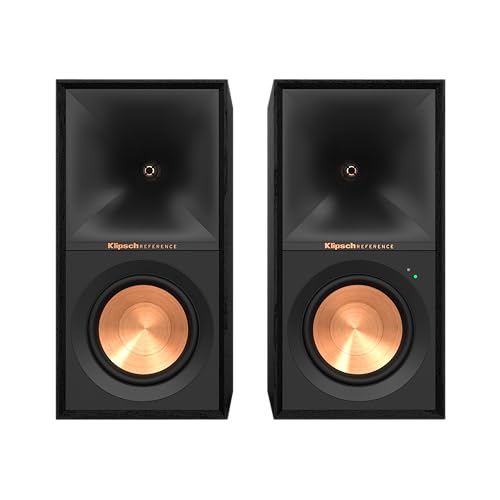
Not all bookshelf speakers are created equal, and the differences aren’t just cosmetic. Passive bookshelf speakers like the ELAC Debut 2.0 B6.2 (6.5" woofer, ~$300) offer wall-friendly design and upgrade potential, but require you to pick the right amp—skip these bookshelf speakers if you don’t want to fuss with matching power and impedance. Powered bookshelf speakers like the Klipsch R-51PM or Edifier R1280T (from $150) are plug-and-play, with Bluetooth and remote control, but may lack the dynamic headroom of a good passive bookshelf speaker setup. Wireless features (Bluetooth, Wi-Fi, AirPlay) add streaming convenience to bookshelf speakers but can inflate prices without always improving sound. HDMI ARC is a significant upgrade for bookshelf speakers if you want to control volume with your TV remote, but it’s still rare below $500. Driver size and cabinet volume in bookshelf speakers dictate bass response—don’t expect deep lows from any bookshelf speakers under 6 inches. Sensitivity (85 dB vs 90 dB) and impedance (4-ohm vs 8-ohm) directly impact how loud and clean your bookshelf speakers play. Skip “smart” bookshelf speakers like Sonos Era 100 unless you’re committed to app-based control; glitches and app lock-in frustrate many bookshelf speaker owners. Prioritize build quality and driver engineering in bookshelf speakers over flashy features—true value in bookshelf speakers lives in the $200–$350 range.
Decision Factors and How to Choose: Matching Specs to Your Space and Priorities
The right bookshelf speakers depend on how your room, gear, and listening habits interact. Room size and layout set the baseline: a 10×10 office can sound boomy with large bookshelf speakers, while a 20×15 den needs bigger drivers in bookshelf speakers for full bass. Your amp or receiver’s power output must match bookshelf speaker impedance and sensitivity—ignore this, and you risk distortion or weak sound from your bookshelf speakers. Budget is the ultimate filter: under $300, you’ll choose between powered bookshelf speaker convenience (Edifier R1280T) or passive bookshelf speaker clarity (Polk ES15 paired with a $100 amp); $500+ opens up wireless bookshelf speakers, HDMI ARC, and premium build. Connectivity matters—analog RCA for vintage gear, digital for modern setups, Bluetooth for phone streaming to bookshelf speakers. Don’t chase features in bookshelf speakers you’ll never use: app control and multi-room streaming sound nice but may introduce headaches. Our quiz weighs your room size, gear, and feature preferences to match you with the right bookshelf speaker drivers, power, and connectivity. Ultimately, prioritize driver size, amp compatibility, and real-world fit in bookshelf speakers over marketing claims—most regrets come from ignoring these basics when buying bookshelf speakers.
Buyer's guide
How to choose
1Core Performance Criteria
- Driver size is crucial: a 5-inch woofer suits desktops, but a 6.5-inch or larger driver is essential for filling a living room with rich bass.
- Sensitivity ratings above 88 dB ensure efficient volume with modest amps, while 85 dB models may require more powerful, costly amplification for the same loudness.
- Impedance matters: 8-ohm speakers like the KEF Q150 are easier to drive, while 4-ohm models demand robust amps to avoid distortion or damage.
- Frequency response reveals real bass depth—look for models extending below 50 Hz for music with punch, but know that specs can exaggerate real-world performance.
- Active speakers with 100–150W (e.g., Audioengine A5+) deliver enough headroom for medium rooms, while passive setups depend entirely on your chosen amplifier.
- Rear ported designs like ELAC Debut 2.0 B6.2 need at least 4–6 inches of wall clearance, or you risk muddy, overblown bass in smaller spaces.
2Build Quality and Durability
- Cabinet construction impacts longevity—MDF with internal bracing (as seen in ELAC Debut 2.0) resists resonance better than thin, lightweight plastics.
- Quality binding posts and connectors, like those on KEF and Q Acoustics, ensure reliable signal transfer and easier setup, especially for passive models.
- Grilles should be removable and sturdy; cheap plastic grilles often rattle at high volumes and can degrade the speaker’s soundstage clarity.
- Look for well-damped feet or foam pads to minimize vibrations, especially if placing speakers on desks or shelves prone to resonance.
- Premium finishes (real wood veneer or high-gloss paint) resist scratches and fading, which matters if your speakers will be visible in high-traffic areas.
- Warranty coverage of at least two years, standard with Audioengine and ELAC, signals confidence in build and protects your investment from early failures.
3Value Analysis and Price Tiers
- Under $300, you’ll choose between powered convenience (Edifier R1280T) or passive clarity (Polk ES15 plus a budget amp), but not both in one package.
- The $300–$500 range unlocks better drivers, more robust cabinets, and features like Bluetooth or optical inputs, as seen with Klipsch R-51PM and Audioengine A5+.
- Wireless and smart features can push prices to $1,000+, but most buyers get 80% of the sound quality for a third of the price.
- Passive setups often deliver higher fidelity per dollar, but require budgeting for a capable amp and quality speaker wire (at least $100 extra).
- App-based controls and HDMI ARC inflate costs but may be worth it if you want seamless TV integration or multi-room streaming.
- Avoid overpaying for unnecessary features—prioritize sound quality and build over flashy smart capabilities unless you truly need them.
4Use-Case Fit and Room Matching
- Small rooms (under 120 sq ft) benefit from compact models with 5-inch drivers to prevent bass bloat and resonance issues.
- Larger spaces (over 200 sq ft) require speakers with 6.5-inch or bigger woofers, like ELAC Debut 2.0 B6.2, for satisfying low-end response.
- Desktops and nearfield setups favor powered speakers with Bluetooth or USB inputs for easy integration with computers and minimal cable clutter.
- Home theater or gaming setups should prioritize HDMI ARC and optical inputs for seamless TV and console connectivity, as seen in higher-end actives.
- Vinyl enthusiasts should look for analog RCA inputs and passive models for pairing with dedicated phono preamps and amps.
- Multi-room streaming fans may want Wi-Fi-enabled models, but should be wary of app lock-in and potential connectivity glitches.
5Common Mistakes and Pitfalls
- Buying passive speakers without a compatible amplifier leads to weak sound or, worse, damaged equipment from impedance mismatches.
- Underestimating room acoustics—placing large, rear-ported speakers flush against a wall will muddy the bass and ruin clarity.
- Ignoring sensitivity and power ratings can result in speakers that never get loud enough or distort at moderate volumes.
- Chasing smart features like app control or multi-room streaming often introduces software headaches and reliability issues, especially with models like Sonos Era 100.
- Assuming bigger is always better—oversized cabinets can overwhelm small rooms and create boomy, uncontrolled bass.
- Skipping hands-on demos or trusted reviews means missing issues like bass bloat (Philips FA3) or poor soundstage, which specs alone won’t reveal.
6Maintenance and Longevity
- Dust and clean speaker drivers and grilles regularly to prevent buildup that can degrade sound quality and airflow over time.
- Check and tighten binding posts or cable connections every few months, especially for passive setups that may loosen with vibration.
- Keep speakers away from direct sunlight and heat sources to prevent cabinet warping, fading, or driver deterioration.
- Replace foam pads or feet every few years to maintain isolation and prevent unwanted resonance from desk or shelf placement.
- Update firmware on wireless or app-enabled models to resolve bugs and maintain streaming compatibility as platforms evolve.
- Store original packaging for safe transport—bookshelf speakers are sensitive to knocks and drops, which can damage drivers or crossovers.
FAQ
Frequently asked questions
Is it worth paying extra for wireless bookshelf speakers with Bluetooth or Wi-Fi?
If you value convenience and want to stream directly from your phone or computer, wireless bookshelf speakers with Bluetooth or Wi-Fi are worth the premium. Models like the Audioengine A5+ Wireless or Klipsch R-51PM provide easy pairing and app control, which is ideal for casual listening and multi-room setups. However, if you prioritize pure sound quality and already have a good amplifier, passive speakers usually deliver better value for the money. Consider your daily habits before spending extra—wireless features are only worthwhile if you’ll use them regularly.
How do passive bookshelf speakers like the KEF Q150 compare to powered models such as the Audioengine A5+?
Passive speakers like the KEF Q150 offer more flexibility for future upgrades and typically excel in clarity when paired with a good amp. They require an external amplifier, which means extra cost and setup. Powered models like the Audioengine A5+ have built-in amplification and are plug-and-play, making them ideal for desktops or users who want simplicity. Sound quality is excellent in both, but passives can edge ahead in larger rooms or audiophile setups, while powered models win on convenience and ease of use.
What driver size do I need for my room size and listening habits?
For small rooms or desktop setups, a 5-inch woofer (like in the Edifier R1280T) provides tight, controlled bass without overwhelming the space. Medium rooms (150–200 sq ft) benefit from 6.5-inch drivers, such as those in the ELAC Debut 2.0 B6.2, for fuller sound. Large living rooms often require 8-inch drivers or a subwoofer for deep bass. Always match driver size to your space—too large, and you’ll get boomy bass; too small, and the sound will feel thin at higher volumes.
Are HDMI ARC and optical inputs necessary for bookshelf speakers?
HDMI ARC is essential if you want your bookshelf speakers to double as a TV sound system, allowing for volume sync and easy control with your TV remote. Optical inputs are ideal for connecting to TVs, gaming consoles, or computers and provide cleaner digital sound than analog. If you only use analog sources like turntables, these digital inputs are less important. For most buyers in 2026, at least one digital input is recommended for future-proofing and versatility.
How does the Edifier R1280T stack up against more expensive models like the Klipsch R-51PM?
The Edifier R1280T delivers impressive value at around $150, offering Bluetooth and solid sound in a compact package—perfect for desktops or small rooms. The Klipsch R-51PM, at about $500, adds more power, better bass, and extra inputs like optical, making it more versatile for larger spaces or home theater use. If budget allows, the Klipsch offers a noticeable upgrade in both sound quality and connectivity, but the Edifier remains a top pick for those seeking affordable, no-fuss performance.
What’s the risk of mismatching amplifier power and speaker impedance?
Using a low-powered amp with low-impedance (4-ohm) speakers can result in weak sound, distortion, or even damage to your equipment. Speakers like the KEF Q150 are 8-ohm and more forgiving, but models rated at 85 dB sensitivity and 4-ohm impedance require a robust amp—ideally 100W or more per channel. Always check both your amp’s output and the speaker’s ratings. Proper matching ensures clean, distortion-free sound and protects your gear for years to come.
Are smart features like app control and multi-room streaming reliable in 2026?
Smart features have improved, but app control and multi-room streaming can still be hit-or-miss. Models like the Sonos Era 100 offer seamless integration when the ecosystem works, but users report occasional glitches and heavy reliance on proprietary apps. If you want set-it-and-forget-it reliability, direct Bluetooth (as on the Klipsch R-51PM) is often more dependable. Choose smart features only if you’re comfortable troubleshooting occasional software issues and plan to use them regularly.
Best Bookshelf Speakers By Category
Related Guides
Advanced Portable Field Recorders
Matched to your workflow, input needs, portability, and feature priorities—get a recorder that fits your real-world recording style.
Digital Audio Mixers
Channel count, recording style, control preferences, and experience—get matched to the perfect digital mixer for your workflow.
Gaming Headsets
Matched to your device, sound style, connection, mic needs, and must-have extras—get a headset that actually fits your gaming life.
Noise Cancelling Headphones
We match you to headphones based on comfort, ANC strength, battery life, sound profile, and your real-world listening needs.